SCIENTIFIC HUB
Explore the science behind karate biomechanics, kinetic energy transfer, and athletic performance.
Bruises, Blood Vessels and Why Some Karateka Heal Faster Than Others
Kumite leaves marks. What you eat between sessions changes how fast those marks fade, and how much a light contact turns into a deep bruise in the first place.
If You See a Weapon: What Actually Changes
A knife or gun in a confrontation changes the decision, not just the danger. Here is how to think clearly when a weapon is visible, and why compliance is usually the safest response.
Starting Karate After Retirement: What Changes at 60 and Beyond
Retirement brings free weekday mornings and a gap where colleagues used to be. Here is an honest look at starting karate at 60 or later in Kartal — what your body can and cannot expect, and why the social side often matters more than the belt.
The Knee That Drifts Inward: What Kata Kicks Reveal About Tracking
In kata, nobody is pushing back, so a knee that caves inward on a kick goes unnoticed for months. Here is why it happens and how to catch it before it becomes the shape your body defaults to.
When There's More Than One: How Position Changes Everything
Facing more than one person changes the entire problem. Here is how position, movement and exits work differently when you cannot rely on outrunning or out-fighting a single opponent.
Walking Into Your First Adult Class When Everyone Else Already Has a Belt
The white belt in a room full of colored ones is the biggest reason adults put off starting karate. Here is what that first class is actually like, and why the gap closes faster than you expect.
Choosing a Club With Both a Male and a Female Instructor
Most karate clubs in Istanbul have one head instructor. Kartal Karate Academy has two, a father and his daughter. Here is what that actually changes when you are deciding where to sign up.
When Kata Becomes Automatic
Once a kata stops needing thought, something useful and something risky both happen at once. Here is what automaticity actually changes, and how to keep it from going stale.
Getting Up When You've Been Pushed to the Ground
Most self-defense advice stops at "don't fall." But a shove, a slip, or a crowded stairwell can put you on the ground anyway. How you get back up changes everything that happens next.
Three Levels, One Kata: What Jodan, Chudan and Gedan Teach About Choosing a Target
Every kata moves between jodan, chudan and gedan. That is not variety for its own sake — it is training in target selection, a decision most karateka never notice they are practicing.
Learning a New Neighborhood: A Safety Orientation for the First Weeks
Moving somewhere new resets your situational awareness to zero. Here is how to rebuild it deliberately in the first two or three weeks, before instinct catches up.
Getting Fit for Military Service: How Karate Prepares You for Askerlik
Push-up counts and a fitness test aren't the whole picture of askerlik readiness. Here's what months of karate actually builds, and what it doesn't.
The Gut You Train With: What Fibre Diversity Actually Does
Karateka nutrition talk fixates on carbs and protein timing. The digestive tract itself, and the bacteria living in it, rarely comes up. Here is what a varied-fibre diet actually changes for someone training several times a week.
Delivery and Courier Work: Safety Habits for Riders in Istanbul
Couriers spend their whole shift arriving at addresses they've never seen, carrying cash and a phone that's worth more than an hour's pay. Here are practical, non-dramatic habits that lower the risk without slowing the job down.
How Many Kids Are in a Karate Class, and Does It Matter?
Class size is one of the least-asked, most-consequential questions parents skip before signing up. Here is what a crowded mat actually costs your child, and what to check when you visit.
Why Your Head Should Not Bob: The Flat Line Test in Kata
Watch a kata from the side and one thing separates the advanced student from the beginner: the head travels in a flat line, not a wave. Here is the mechanism, and a drill to fix it this week.
Living Alone as You Get Older: The Safety Habits That Actually Help
Older adults living alone are a deliberate target for phone and door-to-door scams, not an accidental one. Here is what actually reduces the risk, without giving up independence.
Boys and Girls Training Together: What Mixed-Gender Karate Classes in Kartal Actually Look Like
Most classes at Kartal Karate Academy are mixed-gender. Here is what that actually means in the room, at every age, and the honest tradeoffs worth knowing before you sign up.
The Achilles Spring: Elastic Energy and the Kumite Push-Off
Your Achilles tendon is not a rope, it is a spring. Understanding how it stores and releases energy explains why some karateka explode off the back foot and others push and arrive late.
Teaching Your Child That "No" Works on Grown-Ups Too
Most safety lessons for children focus on strangers. The harder, more useful lesson is that a child is allowed to say no to an adult they know, even one they are supposed to listen to.
Moving to Kartal: What Actually Happens to Your Karate Belt
If you trained karate somewhere else and you're moving to Kartal, your belt does not automatically travel with you. Here is what a new club actually checks, and why.
Ankle Mobility and the Depth of Your Front Stance
A shallow front stance is rarely a flexibility problem in the hips. Most of the time the limit sits lower down, in how far the front ankle can bend forward, and that has direct consequences for the front knee.
What You Can Actually Carry for Self-Defense in Turkey
A whistle, a personal alarm, registered pepper spray, your own phone. What these items actually do, what they do not do, and why none of them replace awareness.
Does This Club Compete? What a Competition-Focused Kata Program Actually Means for You
Some karate clubs build their kata program around tournaments. Others barely mention them. Neither is wrong, but they lead to very different training weeks. Here is what actually changes.
Training Through Menopause: Fuelling Bones, Heat and Recovery
Menopause changes how the body handles heat, calcium and recovery mid-class. What actually shifts, and how a karateka can adjust fuelling and pacing without stepping back from training.
The Friendly Approach: Recognizing Tactics That Test Your Boundaries
Most approaches that lead somewhere bad start out friendly, not threatening. A few recognizable patterns — rushed intimacy, unsolicited help, the overridden no — are worth knowing before you need them.
What a First Karate Class Actually Looks Like, Minute by Minute
Nobody wants to walk into a room not knowing what happens next. Here is exactly what the first hour of a class at Kartal Karate Academy looks like, from bowing in to the last stretch.
Feeding the Tendons and Ligaments
Muscle gets the protein shake and the recovery talk. Tendons and ligaments adapt on a much slower clock, and what you eat around training changes whether they keep up with the joints they cross.
Checking Into a Room You Don't Know
A hotel room or a rented flat is a space you've never stood in before. A few quiet habits at check-in cost you a minute and change what your evening looks like if something goes wrong.
When It's Grandma Who Brings Your Child to Karate
In many Kartal families it isn't the parent who drops a child at karate, it's a grandparent. Here is what that changes, what to ask the club, and how it can still work well.
The Wrist Under Load: What Punching Actually Does to a Joint You Never Warm Up
Karateka warm up ankles, hips and shoulders, but the wrist absorbs the shock of every punch. Here is the actual mechanics of a straight fist, why it fails, and how to load it safely.
Going Into a Stranger's Home for Work: Safety for Home-Visit Workers
Cleaners, tutors, technicians and carers walk into unfamiliar homes alone every day. A practical, non-alarmist look at the safety habits that matter before, during and after a home visit.
University Students Fitting Karate Around Lectures and Exams in Kartal
A realistic look at starting karate as a university student in Kartal: building a routine around three fixed evening classes, surviving exam weeks, and asking the right questions on a tight budget.
From Thinking to Doing: The Three Stages of Learning a Kata
Why a new kata feels like a checklist and an old one feels like breathing. The three stages your nervous system moves through, and what to actually practice at each one.
How You Walk Tells a Stranger Whether You're an Easy Target
Target selection is mostly unconscious pattern-reading, not mind-reading. Here is what the body-mechanics research actually says about gait, posture and attention — and what to do with that honestly.
Karate With Braces: What Changes for Kids and Teens Before They Start
Your child just got braces and now karate registration is due. Here is what actually changes in a children's class, what a mouthguard needs to do, and what to ask before the first lesson.
The Feeling You Can't Explain: Why Unease Is Not Overreacting
Most people override a vague sense of unease because they can't justify it out loud. That override, not the situation itself, is often what turns a manageable moment into a dangerous one.
One Kata, Not Five: What Blocked Practice Actually Builds
Rotating through five kata in one class feels productive. The motor-learning evidence on blocked versus random practice says the opposite is often true for building a pattern in the first place.
What to Actually Check About a Karate Instructor's Credentials
Dan grades, federation membership, first-aid training: what actually tells you an instructor is qualified, and what is just decoration on a wall.
One Side Feels Stronger: Bilateral Asymmetry in Kata Training
Every kata sends you both left and right, but almost no karateka performs both sides with equal quality. Here is why the gap opens, what it costs you, and a simple weekly fix.
Coming Straight From Work to Karate: Timing an Evening Class in Kartal Without Running on Empty
Can you actually make an 18:00 class after a full workday in Kartal? A practical look at timing your journey, what to eat beforehand, and what to pack for a calm arrival on Tuesday, Thursday or Saturday.
Running on Empty: Why Fatigue Changes How You Respond to Threat
Sleep debt and physical exhaustion don't just slow you down. They narrow attention, slow decisions and blunt the responses a threat needs most.
When the Scale Becomes the Enemy: Body Image and Disordered Eating Risk in Karate
Weight categories and a fitted gi can quietly push a karateka toward an unhealthy relationship with food. Here is what the warning signs look like and what coaches and parents can actually do.
Will You Be Training Next to Teenagers? How Mixed-Age Karate Classes Actually Work
Adult beginners often picture a class full of teenagers before they ever walk in. Here is how age groups are actually split at a Kartal karate club, and what training next to a younger student really looks like.
Exercising Alone Outdoors: Safety Habits for Runners and Dog Walkers
Running, cycling and dog-walking put you alone outdoors on a schedule strangers can learn. Practical, non-paranoid habits that close that gap without ruining the point of going outside.
Dehydration and the Kata You Cannot Feel Anymore: What Fluid Loss Does to Precision
Losing strength is not the first thing dehydration takes from a karateka. Precision goes first, quietly, long before cramping or exhaustion show up. Here is the mechanism and what to do about it before a kata session.
Drop-off and Pickup: The Practical Logistics of a Kartal Karate Class
Nobody mentions the ten minutes before and after class. Here is what drop-off and pickup actually look like around the Tuesday and Saturday class in Kartal, and how to make them calm instead of rushed.
Grabbed From Behind: The Mechanics of Turning a Bear Hug Into an Escape
Being grabbed from behind removes your view and your hands at once. Here is what actually changes your odds: base, angle, and the sequence that turns a hold into a gap.
Starting Karate Out of Shape: What Your First Weeks Actually Feel Like
Worried you are too out of shape for a first karate class? Here is what beginners actually struggle with, how instructors adjust the pace, and when to see a doctor before you start training in Kartal.
Breath Under Threat: Why You Stop Breathing Properly, and How to Get It Back
Before your hands shake, your breathing changes. Fear makes you hold your breath or breathe too fast, which works against you. Here is why, and the one breathing habit worth training so you can think clearly, set a boundary, or get away safely.
Back on the Mat After a Baby: Fuelling a Postpartum Return to Karate
A practical look at fuelling a return to karate after childbirth: appetite, iron, breastfeeding energy needs, and how to time a class around feeding rather than the clock.
The Free Trial Class: What Actually Happens, and What to Ask Before You Book
What actually happens in a free trial karate class, the questions worth asking before you book, and why one nervous first session does not decide whether karate is right for you or your child.
Team Kata: The Hidden Physics of Staying in Sync
Team kata looks effortless when three karateka move as one - and falls apart from a single mistimed beat. Here's the motor-learning skill behind staying in sync, the cues real teams use, and drills to build it this week.
When Someone Demands Your Bag or Phone: Why Letting Go Is the Safest Choice
Kapkaç rarely looks like the movies. Here is why property is never worth a fight, how to carry things to lower the risk, and what training actually adds when a grab becomes a struggle.
Karate With an Old Injury or a Bad Knee: What Actually Changes
Worried an old knee, shoulder or back injury rules out karate? Here's what actually changes in class: modified stances, paced partner drills, and the honest line between an old injury and one that needs a doctor first.
Training Through Your Cycle: What Changes in How You Fuel and Recover
Energy, strength and recovery shift across a roughly monthly pattern for many female karateka. Here is what actually changes, and how to fuel and train around it instead of against it.
Home Alone: Which Safety Habits Actually Help
Practical, non-alarming habits for the hours you spend home alone or when your child gets in before you do - lighting, locks, what to say at the door, and when a feeling is reason enough to call 112.
Closing Your Eyes in Kata: What Proprioception Actually Trains
Most karateka never train a kata with their eyes shut. Here is what proprioception is, why vision quietly covers for weak body awareness, and a safe weekly drill to expose it.
Crowded Trains and Buses: Positioning Yourself When You Can't Get Away
Distance is the usual advice, but a packed Marmaray car gives you none. Here is what body positioning and awareness actually look like when you cannot step back.
Choosing Karate Class Times That Actually Fit Your Week
Only three class times a week, all in the evening. How to fit Tuesday, Thursday and Saturday at 18:00 into a work or school week, and what to do on weeks you can only make one.
Getting Into a Taxi or Ride-Share: What to Check First
A few checks before you get into a taxi or ride-share car in Kartal and Istanbul: matching the plate, choosing where you sit, sharing your trip, and trusting the moment something feels wrong.
Karate, Swimming, or Football: Choosing Your Child's First Activity in Istanbul
Before karate vs taekwondo, most Istanbul parents are really choosing between karate, football, swimming and dance. An honest comparison of what each actually suits, including when something other than karate is the better call.
What a Kata Judge Is Actually Watching For
Two students can perform the same kata and still score a point apart. What technical and athletic judging actually look for, why grading and competition ask different questions, and how to train for both this week.
Why Kata Nerves Hit Harder Than Kumite Nerves
Kata is a self-paced skill, and self-paced skills invite a specific kind of performance anxiety that kumite's fast pace mostly prevents. The mechanism, and five concrete ways to stop it hijacking a kata you already know.
The First Push: Why Your Base Decides What Happens Next
Most confrontations start with a shove, not a punch. The biomechanics of your stance — a wider base, bent knees, a lower center of gravity — decide whether you go down or stay on your feet long enough to create distance and leave.
Do You Need to Speak Turkish to Join a Karate Class in Kartal?
A practical look at what actually requires spoken Turkish in a karate class, what does not, and how to tell the difference before enrolling a child or yourself without full fluency.
Being Followed: What to Do in the First Thirty Seconds
A calm, practical guide to the first moments if you think someone is following you: how to test the pattern, where to walk, when to call 112, and what training can and cannot do.
Karate in a Hijab: What Actually Changes in Class
Does hijab work with karate training in Kartal? What actually changes about pins, layering under a gi and what to ask a club before your free trial, from an academy with a woman instructor on the mat.
The Kata Turn: Why Your Inner Ear Fights You, and How to Fix It
Kata turns look like a balance problem but they are a timing problem between your eyes and your inner ear. The spotting technique dancers and skaters use fixes it, with turn-only drills you can add to any session this week.
Fat, Inflammation and the Karateka's Joints: What Your Diet Does to Recovery Between Sessions
DOMS is the soreness you feel. Joint and tendon inflammation is quieter, cumulative, and shaped heavily by the fats in your diet. A practical look at what to eat, and what to eat less of, for a body that pivots, kicks and blocks several times a week.
The Physics of Breaking a Grip: Why Leverage Beats Strength
A wrist or arm grab feels like a strength contest, but it is a physics problem. Understanding the weak point in every grip changes how you respond, whatever your size or strength.
Karate vs the Gym: What Training Actually Feels Like for Lifters and Runners
You already train. Should you swap a gym session for karate, or add it on top? An honest comparison of what each actually does to your body and your week.
Delayed Muscle Soreness: What It Is and What Food Can Actually Do About It
DOMS peaks a day or two after hard training. Here is what causes it, why anti-inflammatory food claims are oversold, and what nutrition genuinely does to help you recover between classes.
Getting to Karate Class in Kartal Without a Car
No car, no problem. A short, honest guide to getting to Kartal Karate Academy: the exact address, using a maps app to plan your route at the right time, and who to message if you are unsure.
Your Car Is a Safety Zone With Two Vulnerable Moments
A locked car feels safe. The walk to it and the walk from it are the two moments that actually matter, and they follow a routine you can build once and repeat every time.
The Post-Training Meal: How Much the Timing Actually Matters
The idea of a 30-minute "anabolic window" after training has been overstated for years. Here is what post-class eating actually needs to do for a karateka, and when it genuinely matters.
Coming Back to Karate as an Adult: What Changes After Years Away
Quit as a teenager, thinking about starting again at 30 or 40? Here is what actually happens to your fitness, your old belt, and your first weeks back on the mat.
Closing Up Alone: Safety Habits for Late-Shift Workers
If your job ends with you locking up alone at night, a few boring habits around timing, keys and the walk to your car matter more than any single skill.
Training Through Ramadan: Fuelling a Karateka Around the Fast
Fasting changes when you eat, not whether you can train well. Here is how to place iftar and sahur around a karate class, what to actually eat, and when to scale intensity back.
The Bystander Effect: Why a Crowd Doesn't Help, and What Changes That
A room full of people watching someone struggle and nobody moving is not coldness, it is a known psychological pattern. Understanding it changes what you do both as a bystander and as the person who needs help.
What Actually Covers Your Child at a Karate Club — Insurance, Waivers, and the Questions Worth Asking
A parent's practical guide to the paperwork side of signing up for karate: what a waiver actually means, what insurance should cover, and what to ask before your child's first class.
What Your Ears Do First: Hearing as an Early Warning Sense
Sound reaches you before sight does, and it reaches you from behind. Here is what hearing actually contributes to personal safety, what stress does to it, and the small habits that keep it working on an ordinary Istanbul street.
The Supplement Shelf and the Doping Control Room: What a Competing Karateka Should Check
A karateka who competes under WADA rules is responsible for everything that enters their body, including what a supplement label does not say. Here is how to think about risk, contamination and the paperwork before you swallow anything.
Karate and the Summer Break: What Two Months Off Actually Does to Your Training
Schools close in June and many families in Kartal disappear until September. Here is an honest look at what a long summer break costs a karate student, what it does not cost, and how to come back in September without starting over.
More Than One Person: What Kata's Many Directions Do and Do Not Teach
Every kata turns to face several directions, and that is often described as defending against a group. Here is what those turns honestly train, what they leave out, and why leaving early is the only reliable answer when more than one person is involved.
The Shapes Your Hands Make: Fist and Open-Hand Precision in Kata
Kata correction usually stops at the elbow. But the last joint in the chain decides whether force arrives safely or leaks away. A practical look at fist formation, wrist alignment and open-hand shapes, and how to train them without wasting class time.
The Kata Names You Will Hear First: Heian, Tekki, Bassai and What They Mean
Walk into a karate hall in Kartal and you will hear Japanese words nobody translates. Here is what the kata names actually mean, roughly which order you meet them, and why the order matters more than the meanings.
When You Are Tired: What Fatigue Does to a Kata You Know
Fatigue does not erase a kata you know. It quietly changes it: stances rise, timing flattens, turns drift. Here is what is actually happening in the body, why the tired version is the one that shows up under pressure, and how to place kata in a session on purpose.
The Move You Can Still Stop: What Kata's Full Commitment Does Not Teach You
Kata teaches you to commit completely to every movement. Personal safety often depends on the opposite skill: starting something and being able to stop it. Here is why that gap matters and how to train the brake as deliberately as the accelerator.
Kata or Kumite: Which Side of Karate Will Your Child Actually Spend Time On?
Karate has two competition halves and most parents only discover this after signing up. Here is what kata and kumite actually are, how much of each a beginner does in Kartal, and how to tell which one suits your child.
Training After Forty: What Changes in How You Eat and Recover
Almost every karate nutrition article is written for a growing body. After forty the problem is different: muscle answers protein less readily, recovery runs on a longer clock, and thirst arrives late. Here is what actually changes, and the adjustments worth making this week.
Standing Up Takes Longer Than You Think: Personal Safety While Seated
Almost every piece of personal safety advice assumes you are standing up. Most of your day is not. Here is what a chair actually takes away, why getting out of one takes about a second, and the single habit that removes the slow half of it.
Karate in Glasses: What Actually Happens in Class If You Wear Them
Glasses change almost nothing for the first year of karate, and matter in one narrow part of the training. What really happens in kihon, kata and kumite when a child or an adult wears them, plus the cheap fixes, the lens question and the honest downsides.
When Your Child Is Already Being Bullied: What Actually Helps
A calm guide for parents whose child is already being targeted at school: what you notice before you are told, the conversation that keeps the door open, how to use the school properly, the honest answer to should my child hit back, and when 112 applies.
The Middle of the Step: Why Kata Breaks Down Between Positions
Kata is taught as a list of positions, so the movement between them never gets practised. That gap is where balance, power and timing quietly fail. Here is what happens mechanically in the middle of a step, and four drills you can run this week to start controlling it.
Changing Karate Clubs: Does Your Belt Come With You?
You moved house, or the old club closed. The first question is always the same: does the belt come with you? An honest look at same-style transfers, changing style, coming back after years away, what to ask before you sign up, and two opposite warning signs.
Boundaries With Someone You Will See Again
Self-defense advice usually assumes a stranger you will never see again. Here is what changes when it is a neighbor, colleague or regular you cannot simply avoid, and why avoidance still comes first.
The Hip Before the Fist: What Sequencing Trains in a Kata Punch
A beginner's punch and an advanced one can look identical from across the room. The difference is a timing gap between hip and fist you can feel, and train, on a single kata technique.
Starting Karate in Your Twenties: The Age Nobody Writes Guides For
Too old for the children's class, picturing an adults' class full of forty-something parents — where do you actually fit if you want to start karate at twenty-two, twenty-four or twenty-seven? An honest look at who is really on the mat.
What Your Eyes Can Actually Do After Dark
Istanbul is dark before six in winter, and your eyes work differently once it is. Rods, cones, how long dark adaptation really takes, how fast a phone screen undoes it, and what all of that means for route, distance and the walk home.
Nausea, Stitches and Cramp: What Your Gut Is Doing in the Middle of Class
Twenty minutes into class, someone goes pale and asks to sit down. Nausea, the stitch under the ribs, cramp and reflux are four different problems with four different fixes, and karate adds pressures the generic advice never mentions, from the obi to the kiai.
Sugar and the Young Karateka: Bayram, Birthdays and the School Kantin
Two karate classes a week will not cancel out a week of eating, and a bayram sweet will not undo them either. What actually matters for a child who trains: what the sugar replaces, the ninety minutes before class, the school kantin, and where the drinks hide.
Built to Run: The Physiology of Your Body's First Response to Threat
Under threat, your body prepares you to run, not fight. What the flight response actually does to your heart, lungs and blood, why distance is the designed response, and what training can honestly promise once adrenaline takes over.
Sleep Is Where a New Technique Gets Learned
A new technique isn't fully learned when class ends. Sleep does real work turning practice into skill in the hours that follow — what that means for how a class, and the night after it, should actually be structured.
Do You Need to Be Flexible to Start Karate?
Most adults skip their first karate class because they assume it requires flexibility they don't have. Here is what beginner stances actually ask of your hips and ankles, why kicks start low, and how flexibility improves through training itself.
The Family Password: A Simple Habit That Protects Pickup Time
A shared family password stops a child going with someone who only claims a parent sent them. What makes a good password, how to practice it without fear, and where it fits at school and karate pickup.
Fueling a Kata Session Is Not the Same as Fueling a Kumite Session
Kata rewards precision and control, kumite demands repeated high-output effort, and the two are not fuelled the same way. A practical guide to eating differently before each type of session, with changes to test this week.
Is Kartal Too Far? Choosing a Karate Club When You Live in Maltepe or Pendik
Maltepe and Pendik families often find a closer karate club before finding Kartal Karate Academy in Yakacık. An honest look at when the drive is worth it, and when a nearer club is genuinely the better choice.
Joining a Karate Class Mid-Year: Do You Have to Wait for September?
Most Istanbul families assume karate starts in September with the school year. It does not. Here is what actually happens when you join a Kartal class in February, in May, or in the middle of summer, and when waiting really is the better choice.
Training Through a Winter Cold: What to Eat, When to Rest, and How to Come Back
Colds and stomach bugs cost more training weeks than injuries do. Here is how to decide whether to train, what to eat while your appetite is gone, and how to structure the first three sessions back without losing what you built.
Your Phone Is a Safety Tool and a Blind Spot
The same device that can call 112 and share your location is also the easiest way to stop noticing the street. A calm, practical look at how to use a phone so it helps rather than hides things.
Fueling Champions: A Comprehensive Nutritional Guide for Karate Athletes
Optimal performance in karate characterized by explosive strikes, precise kata, and intense kumite is impossible without proper nutritional timing and quality.
Think About Your Elbow and You Will Miss: Where Attention Should Sit While You Move
Thinking about your own body while you move is one of the most reliable ways to make a technique worse. Here is why internal attention interferes with movement you already own, when it is still the right tool, and how to switch between the two inside a single class.
What Kata Never Shows You: Crowds, Queues and Packed Spaces
Kata assumes an empty floor and room to move. A rush-hour metro carriage, a ferry gangway or a festival crowd gives you neither. Here is how personal safety actually works when there is no space at all.
The Vegetarian Karateka: Fuelling Training Without Meat
A practical guide for families in Kartal whose child, or who themselves, has stopped eating meat and still trains two or three times a week. What actually needs attention, what does not, and the honest warning signs.
Why Balance is the Golden Key to Physical and Mental Health
We often assume that balance is only important for gymnasts or the elderly. However, poor balance is one of the most hidden factors eroding our daily quality of life—often overlooked until a serious injury occurs. Physical imbalance does not merely lead to tripping or slipping; it triggers a tangible chain reaction across the entire body
Bones Take the Impact Too: Calcium, Vitamin D and the Karateka
Karate loads bone harder than almost anything a child does at school. That loading only builds a stronger skeleton if the raw material is there. A practical look at calcium, vitamin D and the Istanbul winter.
Feeding a Training Family: What Actually Matters in the Weekly Shop
Before you sign a child up for karate, you quietly wonder what it will do to the kitchen. The honest answer: less than you fear. A practical look at the weekly shop for a family with one or two people training in Kartal.
Karate Ni Sente Nashi: Why Every Kata Opens With a Defense
Almost every kata begins by receiving, not attacking. That is not decoration - it is a rule about who moves first, and it has real consequences for how you behave in a tense moment outside the dojo.
The Other Hand: What Hikite Is Actually Doing
In every kata, one hand punches and the other snaps back to the hip. Beginners treat the pulling hand as decoration. It is doing three separate jobs: rotational balance, a grip you are not miming, and the timing signal that makes kime possible.
Lifts, Stairwells and Building Doors: The Last Fifty Metres Home
Most personal safety advice stops at the street. But the entrance hall, the lift and the stairwell are enclosed, unwatched and easy to get wrong. Here is how to think about the last fifty metres of the journey home, calmly and without fear.
Watching a Karate Class Before You Sign Up: What to Look For From the Side of the Mat
Most parents in Kartal decide on a club after twenty minutes of watching from a chair. Here is what those twenty minutes can actually tell you, what they cannot, and the specific things worth looking at on the floor.
The Kata You Practice Without Moving: Mental Rehearsal That Actually Works
You cannot always find floor space for a full kata. Mental rehearsal is a real motor-learning tool, not a substitute for practice, and it works best used a specific way.
The Startle Reflex: Why Your Hands Already Know What to Do
Before you can think, your body already flinches toward protection. Here is what the startle reflex actually is, why it is not a failure, and how brief training shapes it into something useful.
Will Karate Fix Your Desk-Job Posture? An Honest Look
If you sit at a desk all day and are wondering whether karate will fix your posture, here is what training actually changes, what it does not, and what to tell your instructor first.
What to Eat When You Cannot Train: Nutrition Through an Injury Layoff
An injury layoff is not a nutritional holiday. Cutting food hard while your body is repairing tissue costs you muscle and slows the return. What actually changes when you cannot train, why protein needs rise rather than fall, and what to do about it this week.
Freezing Is Not Failing: Why You Stall Under Threat and What Shortens It
Almost everyone stalls for a moment when something goes wrong, and almost everyone is ashamed of it afterwards. Here is what is actually happening when you freeze, why the pause is sometimes doing its job, and the small number of things that reliably shorten it.
Two Children, One Class: Signing Up Siblings for Karate
Can a six-year-old and a ten-year-old train in the same karate class? An honest look at age gaps, what a mixed group costs the older child, sibling comparison, and how to spot the child who only came along.
Energy Drinks, Caffeine and the Evening Karate Class
Caffeine sharpens reaction time but blurs fine control, and taken at 18:00 it is still working at midnight. What that means for a teenager training four evenings a week in Kartal.
The Argument You Could Have Walked Away From
Most avoidable conflict does not begin with an attacker choosing you. It begins with two people who both decide not to back down. Here is how to notice your own escalation early, and how karate training teaches you to leave first.
Dinner After an Evening Karate Class That Ends at Seven
Classes at Kartal Karate Academy end at 19:00, an ordinary dinner hour for most families. How adults and children can eat, drink and wind down afterward so an evening class helps sleep instead of disrupting it.
Training in a Gi in August: Heat, Sweat and What to Actually Drink
A gi is an absorbent barrier sitting on the largest sweating surface you have, and that changes the physics of cooling. Why heat wrecks the last third of a kata, how to measure your own sweat rate in one session, and what to drink through an Istanbul August.
When Your Hands Are Full: What Kata Assumes and the Street Does Not
Karate means empty hand, and every kata assumes exactly that. On a normal evening your hands are full of shopping, a phone and sometimes a child. Here is what that really costs you, and the one decision worth practising.
The Saturday Fuelling Problem: What to Eat Before an Evening Karate Class
A Saturday class starts at the same hour as Tuesday's, but the day around it is looser. What to eat at breakfast and lunch, the snack an hour or so before class, and why the meal after seven matters more than any of it.
The Awareness You Already Have: Why Trusting Discomfort Is a Safety Skill
Most people sense trouble before they can explain it, then talk themselves out of reacting. A look at why that instinct is worth trusting, and how to practise acting on it without waiting for proof.
Iron, Fatigue and the Young Athlete: A Nutrition Gap Worth Watching
Some training fatigue is normal. Some points to low iron, especially in growing teenagers and girls after menstruation starts. Here is how to tell them apart.
What Your Body Actually Feels Like After Your First Karate Class
An honest look at what your body actually feels like after a first karate class: the tiredness, the delayed soreness, where it shows up, and what helps it fade faster.
Zanshin: What Happens in the Half-Second After a Technique
The half-second after a technique lands is where kata is hardest to fake. What zanshin actually requires physically, why balance recovery is the trainable part, and drills that build it deliberately.
Why Kata Repeats the Same Few Techniques
Real threats leave no time to choose between ten techniques. Kata's endless repetition of a small set of movements is how karate builds the one response you can actually use under pressure.
Will Karate Help a Shy Child, or Make It Worse?
A shy or quiet child in a room full of shouting and sparring sounds like the last place they'd want to be. Here is what actually happens, and when karate helps versus when it doesn't.
The Supporting Leg: Pivot Mechanics and Knee Health in Karate
Everyone watches the kicking leg. The leg on the floor is the one that decides whether the kick works and whether your knee is comfortable in twenty years. What a pivot asks of the hip, ankle and knee, where it goes wrong, and four things to change in your next class.
Learning to Fall: The Self-Defense Skill You Are Most Likely to Need
Most people preparing to defend themselves are thinking about someone else. The thing far more likely to hurt you is the ground. What trained falling changes, why getting up matters more than the fall, and the honest limits of what a few months of practice can do.
Is Your Child Old Enough for Karate? What Changes at 4, 6 and 8
Four, six or eight - whether your child is old enough depends less on the birthday than on balance, attention span and whose idea it was. What genuinely changes at each age, and why starting later costs far less than most parents fear.
Will Karate Help You Lose Weight? What Two Classes a Week Actually Does
Two classes a week will change your breathing, balance and flexibility long before it changes the scale. An honest look at what karate does for an adult who wants to lose weight, what it does not do, and where the result actually comes from.
Every Kata Turns: What That Teaches About Exits and Space
Every kata turns, and the turn is the part that matters most outside the dojo. What changing direction actually trains, the five everyday habits it translates into, and an honest account of what kata cannot do for you.
Why You Forget a Kata You Once Knew
Forgetting a kata is not a memory problem. It is a practice-design problem. How blocked repetition flatters you in the session and abandons you six months later, and what to change in your next training.
Growth Spurts, Appetite and the Clumsy Months: Feeding a Karateka Aged 11 to 15
A good student suddenly looks clumsy at twelve and eats everything in the house. Why growth temporarily breaks technique, why appetite is a signal rather than a problem, and the quieter risk of under-fuelling a growing karateka.
When Someone Grabs You: The Release Layer Hidden in Kata
Real situations usually begin with contact, not a punch from distance. Kata carries an older layer about getting a grabbed limb back and leaving. What the pulling hand is really for, and what training with it can and cannot give you.
Practising Kata at Home in a Small Istanbul Apartment
Your sensei says practise at home. Your salon has a sofa set, a coffee table and a neighbour below. Here is the kata work that genuinely fits a small Kartal flat, what to leave for the dojo, and the two mistakes that turn home practice into a turned ankle.
Getting Home Safely: A Practical Routine for Buses, Metro and Walking in Istanbul
A practical routine for the ordinary commute home in Istanbul: route planning, transport habits, ride-share checks, and what a few months of training can honestly promise once avoidance and distance come first.
What to Bring to Your First Karate Class (and What It Actually Costs)
What to actually pack for a first karate class in Kartal, what a first session involves, and an honest look at what starting really costs — kit, time and membership, explained plainly.
How Long Does a Black Belt Take? An Honest Answer
A black belt is not a fixed number of months. How kyu and dan grading actually works, the time commitment nobody puts in the brochure, what you need to buy, and the warning signs worth checking before you choose a club.
De-escalation: What to Say Before a Situation Becomes Physical
Nearly every escalation passes through a window where words, tone and posture can still change the outcome. What to say, what your posture signals, the mistakes that make things worse, and how to pass this on to a teenager.
Bunkai: What Every Kata Movement Is Actually For
Every kata movement was built to solve a specific problem against a real attack. Bunkai is the practice of asking what that problem was: the three layers of interpretation, the most common misreading, and an honest warning about invented explanations.
Sleep, Water and Recovery: The Unglamorous Inputs Behind a Young Athlete’s Progress
Training is only the stimulus. Realistic sleep needs by age, how to handle hydration around a class, what recovery actually is, and the everyday signs that a child is under-recovered rather than unmotivated.
Teaching Children to Stay Safe Without Teaching Them to Fight
Boundaries, noticing trouble early, reaching a safe adult and standing tall keep children safer than any technique. How karate builds the quiet confidence that means a child rarely needs anything physical, and an honest word about the limits.
Timing beats speed: distance management in kumite
A committed attack arrives faster than you can react to it, so the fighters who are never caught are not reading techniques. They are reading preparation and controlling distance. Here is how timing is actually drilled.
What kata trains that sparring cannot
Sparring gives you pressure but almost no clean repetitions. Kata is where motor patterns, breathing and precision are actually built, and here are the practice methods that stop a kata turning into memorised choreography.
What adrenaline does to you under threat, and why simple beats clever
Under threat your vision narrows, your hands lose precision and time stops behaving normally. Here is what adrenaline actually does to the body, and why a small set of well drilled responses beats a long catalogue of techniques.
Awareness, distance and voice: self-defense fundamentals for women
Technique is the last link in the chain. Awareness, distance and voice decide far more outcomes, and they work more often. An honest guide for women, including what training can realistically do and what it cannot.
Karate, Taekwondo, Judo or Boxing? An Honest Guide for Istanbul Families
Four martial arts compared without the sales pitch: who each one genuinely suits, the tradeoffs clubs rarely mention, and the three practical tests that matter more than the style itself.
Your First Month at a Karate Club in Kartal, Week by Week
Exactly what happens in weeks one to four: which muscles hurt and why, the fifteen words you will learn, your first kata, and what you will honestly not have after thirty days.
Starting Karate as an Adult in Istanbul: 30, 40, 50 and Beyond
What actually changes decade by decade, a realistic timeline from first class to black belt, the four fears every adult beginner arrives with, and the honest cost in time and ego.
How to Choose a Karate Class for Your Child in Kartal
A parent-first guide to picking a karate club in Kartal: the right age to start, what real safety looks like, what a first lesson actually feels like, and the six questions worth asking before you enrol.
Psychological Skills Training (PST): Evidence-Based Insights for Athletic Excellence
This briefing document synthesizes high-level academic evidence regarding Psychological Skills Training (PST) and its decisive impact on athletic performance.
The Advantages and Implementation of Psychological Skills Training
This document insights regarding the critical role of psychological skills in sports performance, talent development, and coaching methodology. an athlete iscomposed of four dimensions: physical, emotional, mental, and social. To achieve its, these skills must be trained .
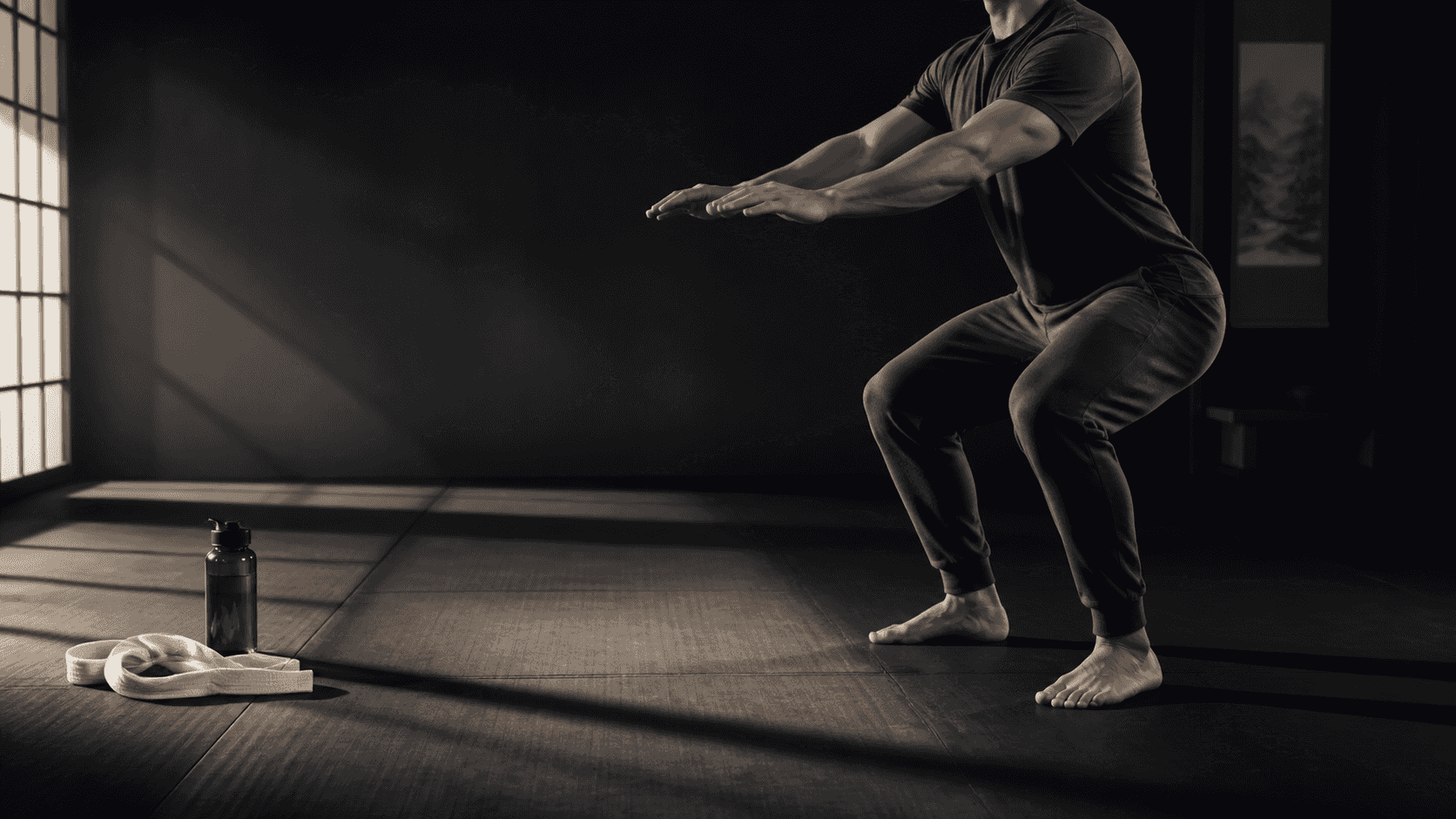
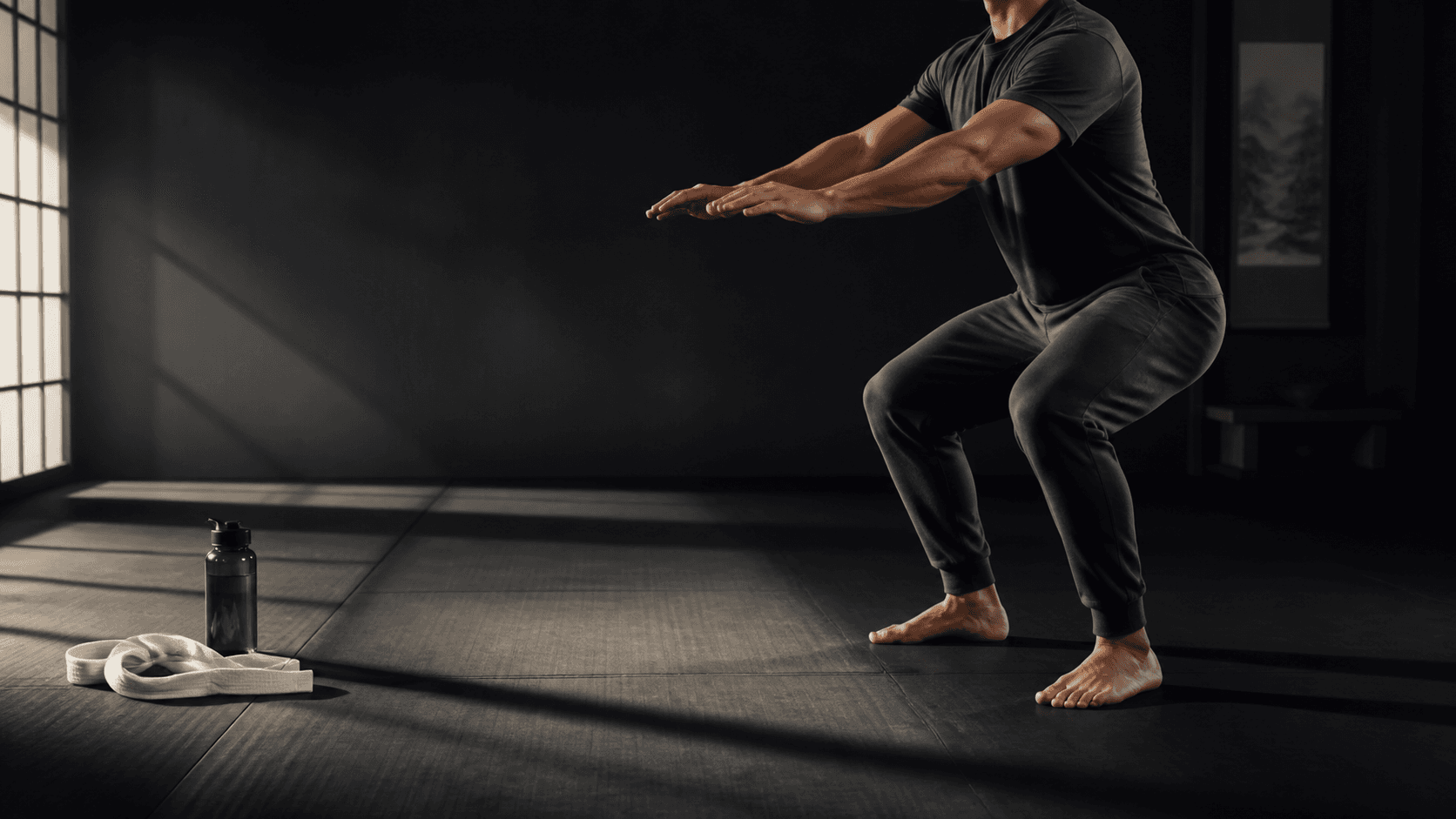
The Effects of One Minute of Daily Exercise on Individual and Social Health
This document examines a low-time but high-impact health intervention developed to combat back and spinal disorders, one of the most common physical problems in modern society.
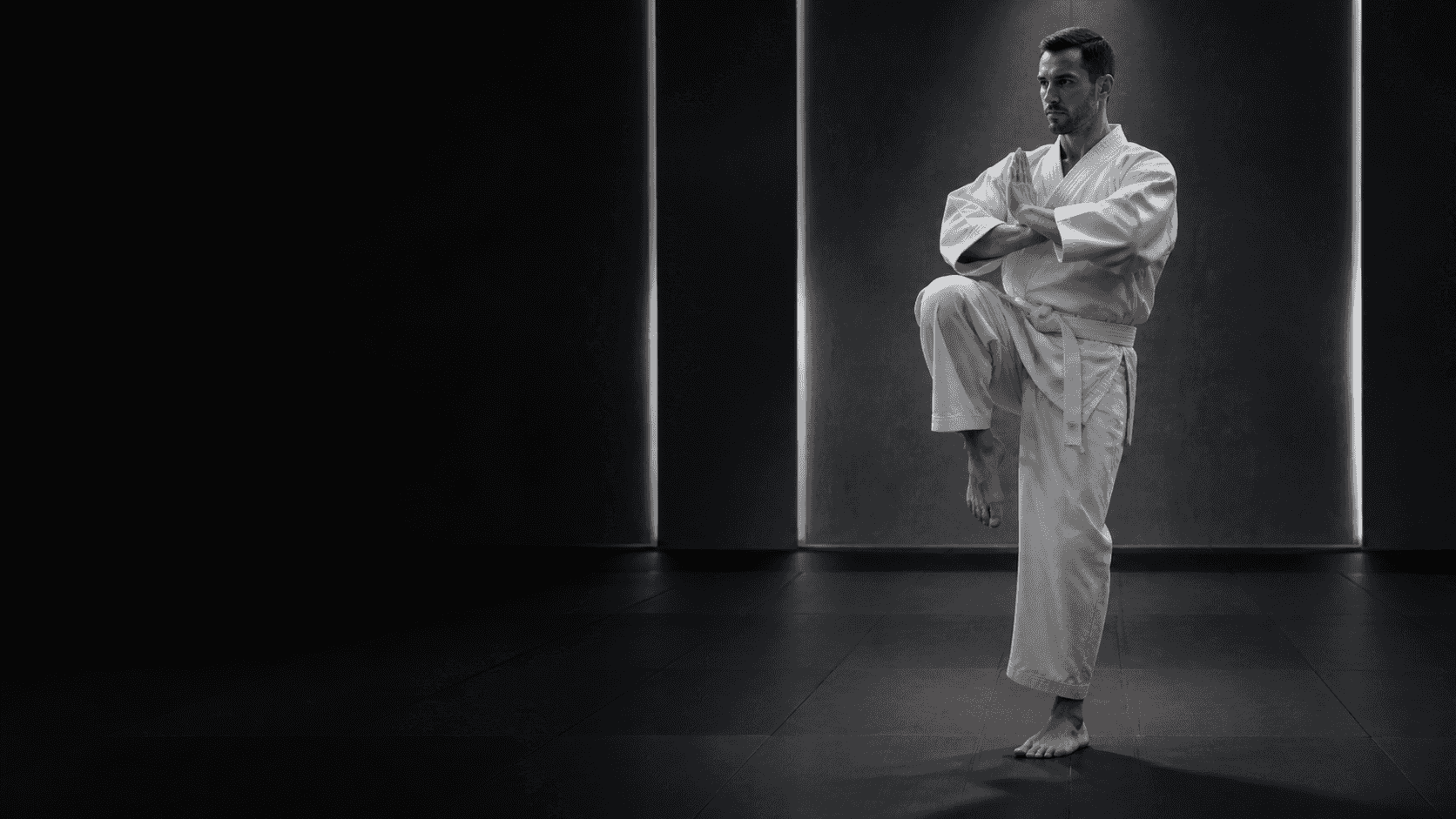
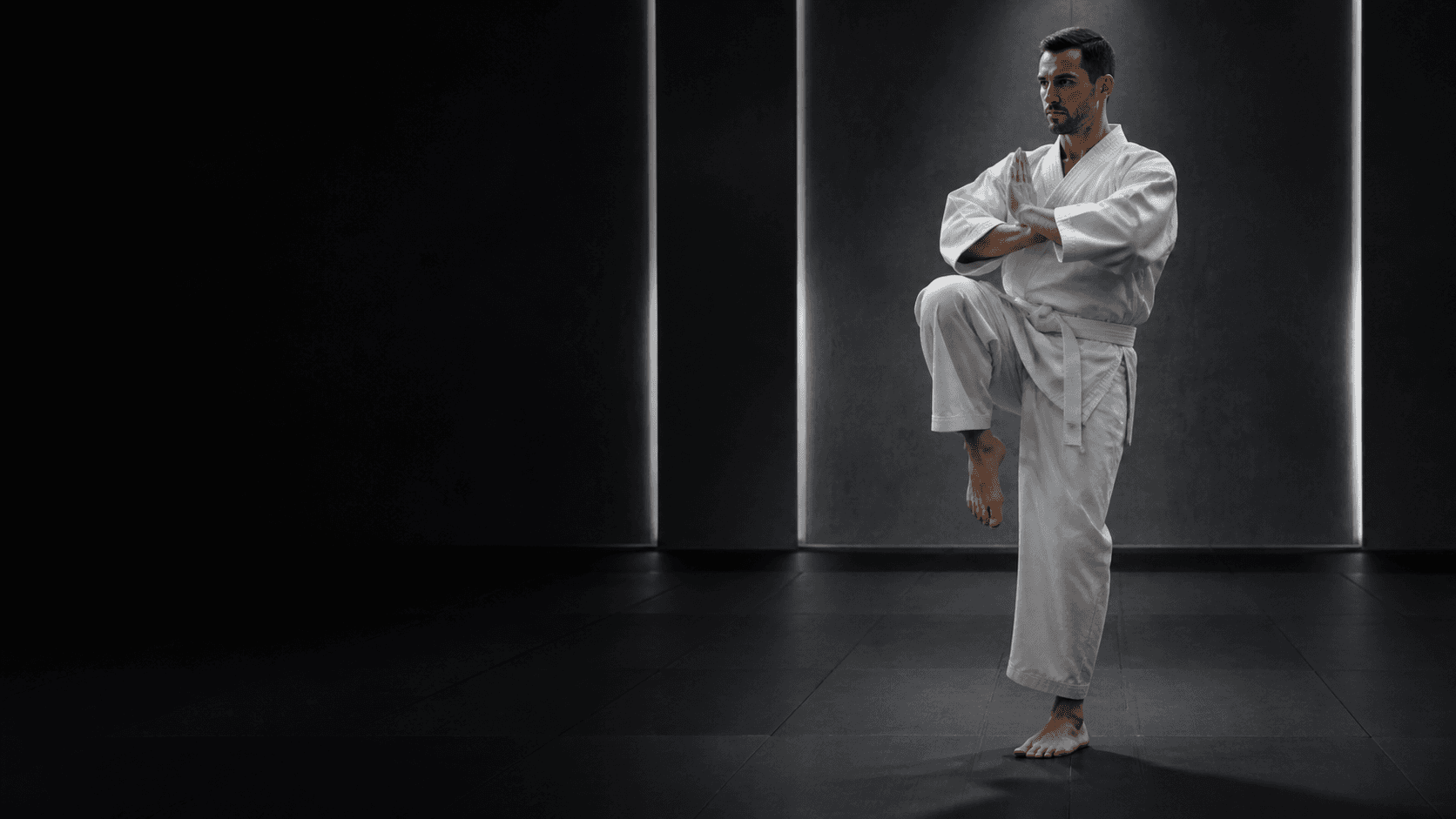
Move well first, then move often
FMS assesses an individual within a balance of basic mobility and stability before focusing on a specific skill. The training system operates on the principle of "Move well first, then move often."
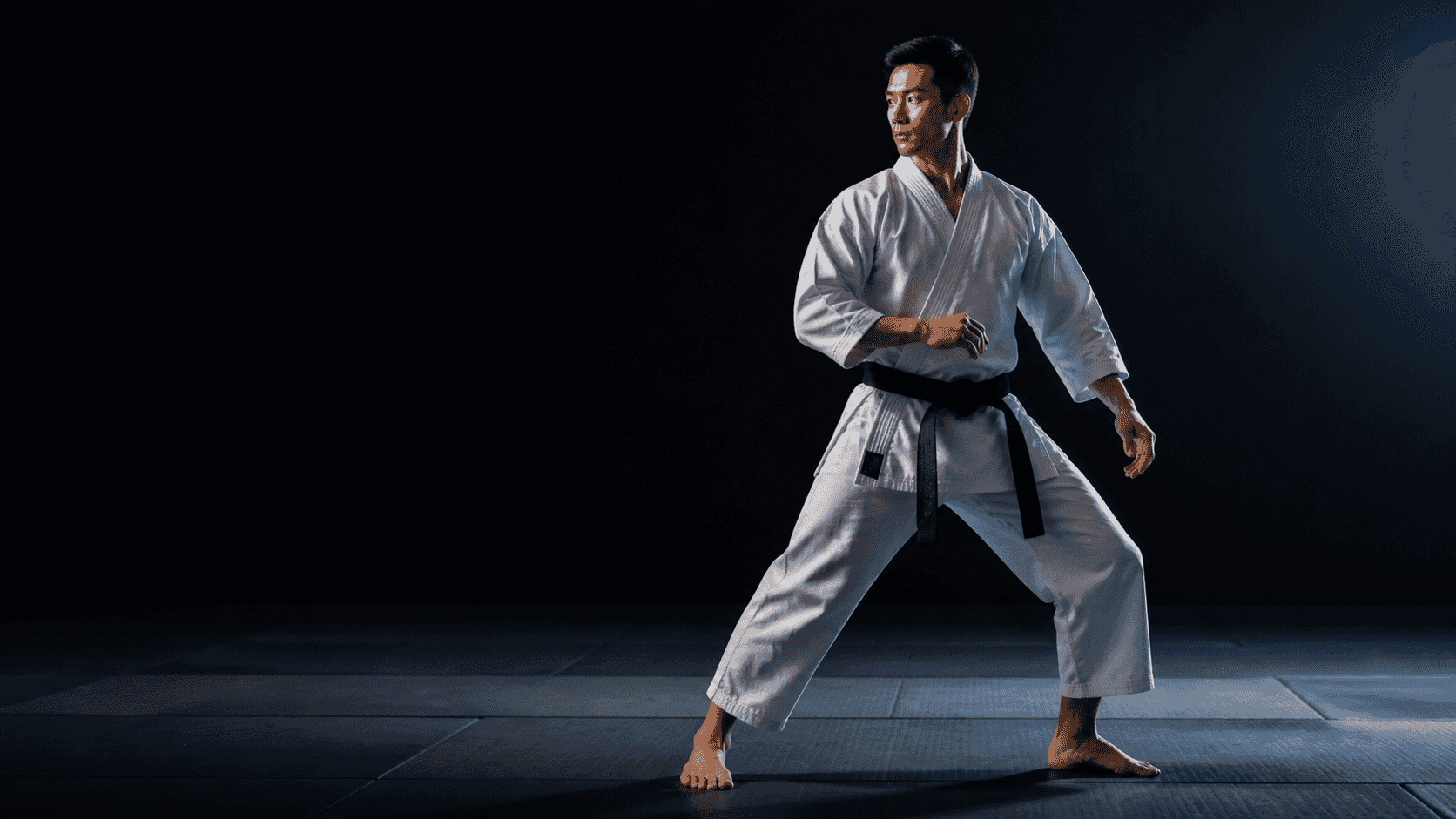
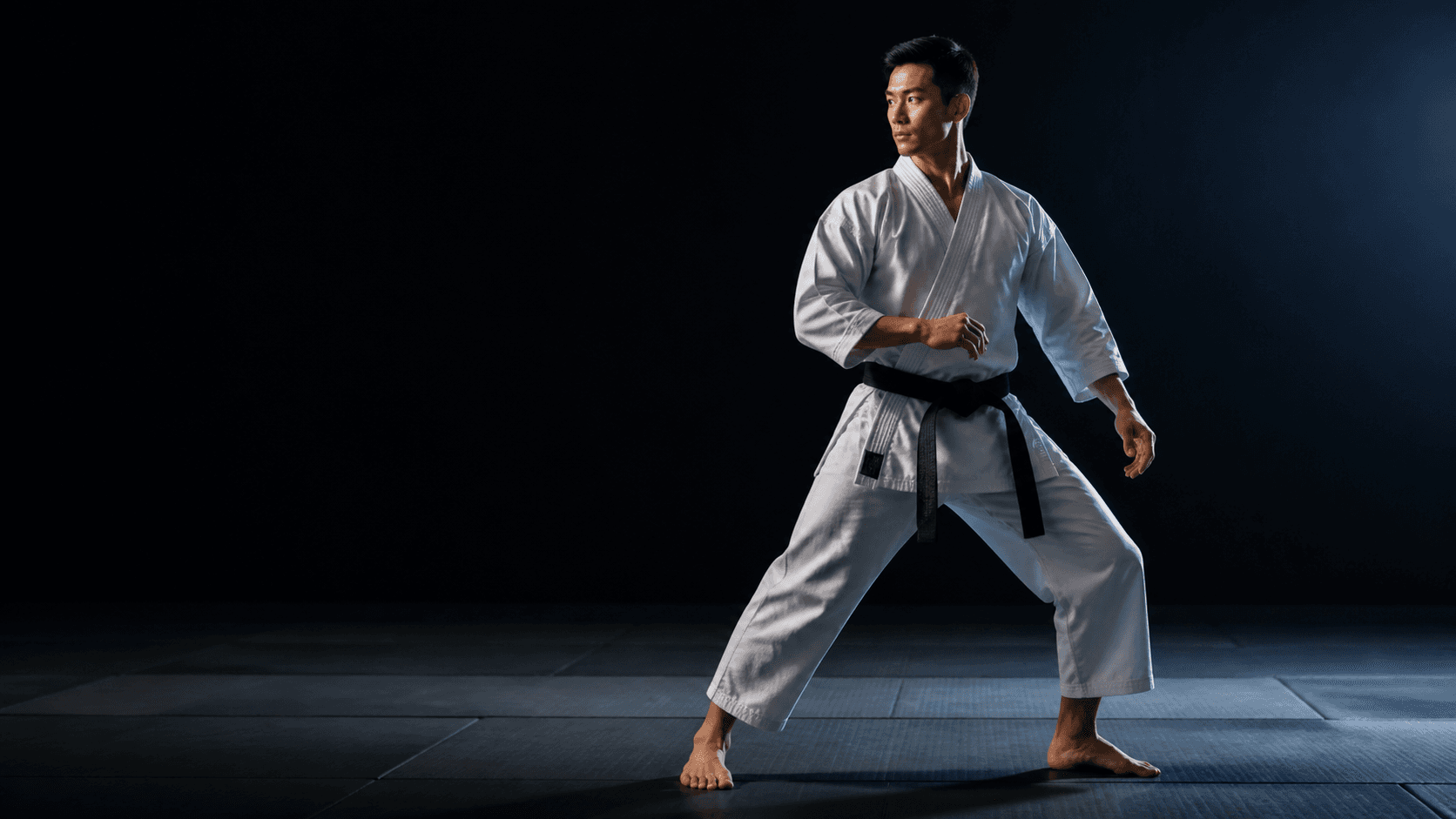
Building the Ideal Karate Physique: What Science Reveals About Kumite and Kata Champions
As coaches and athletes, we often rely on visual impressions. However, sports science gives us a clear roadmap. By studying elite karatekas worldwide, sports scientists have decoded the physical traits and fitness predictors that separate elite champions from average competitors.
Fueling the Fight : How Simple Nutrition Powers Your Karate & Self-Defense Training
Excelling in Karate and mastering self-defense requires more than just practicing your techniques on the tatami. Your body is a high-performance machine, and without high-quality fuel, it cannot reach its true potential.
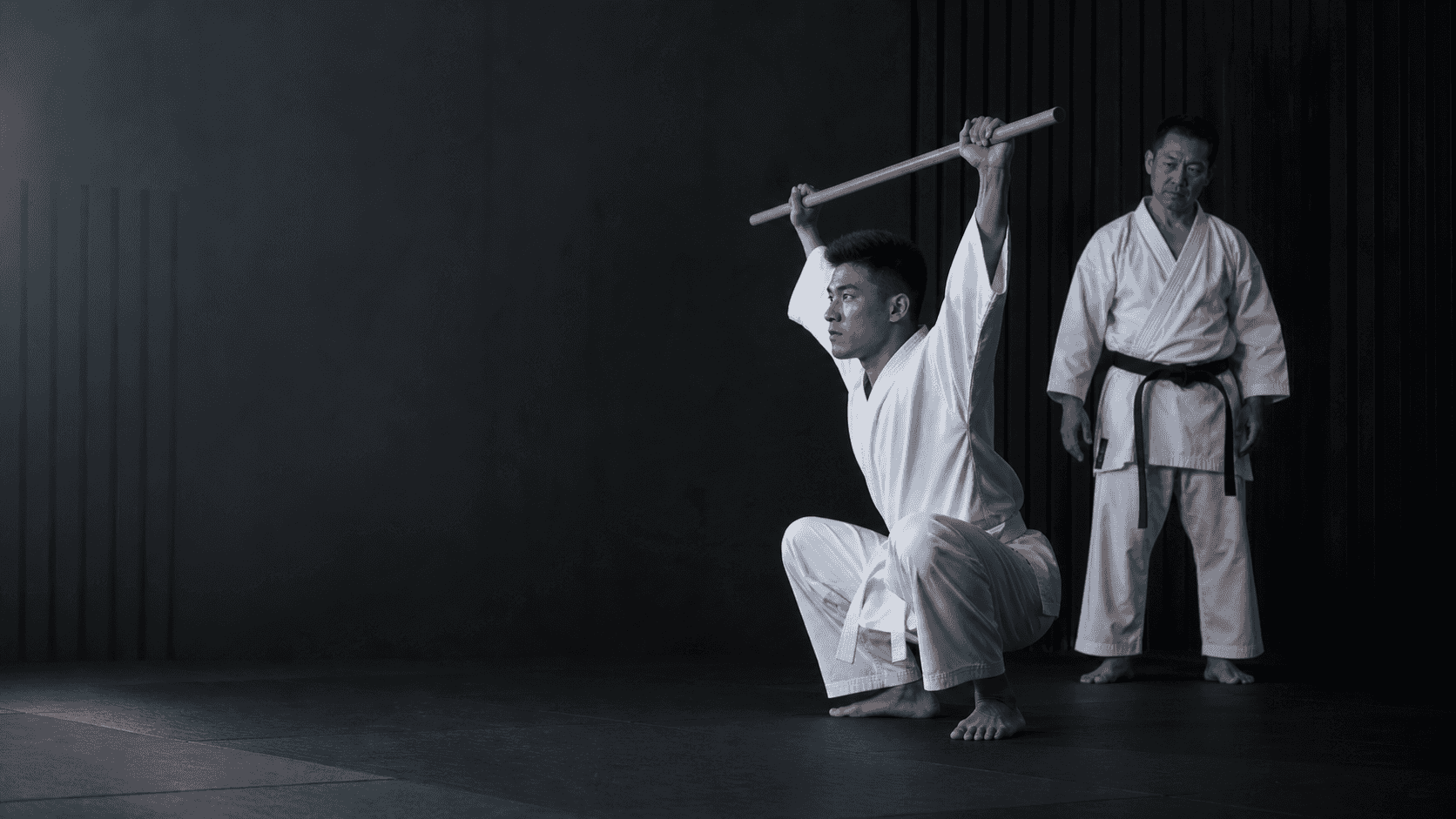
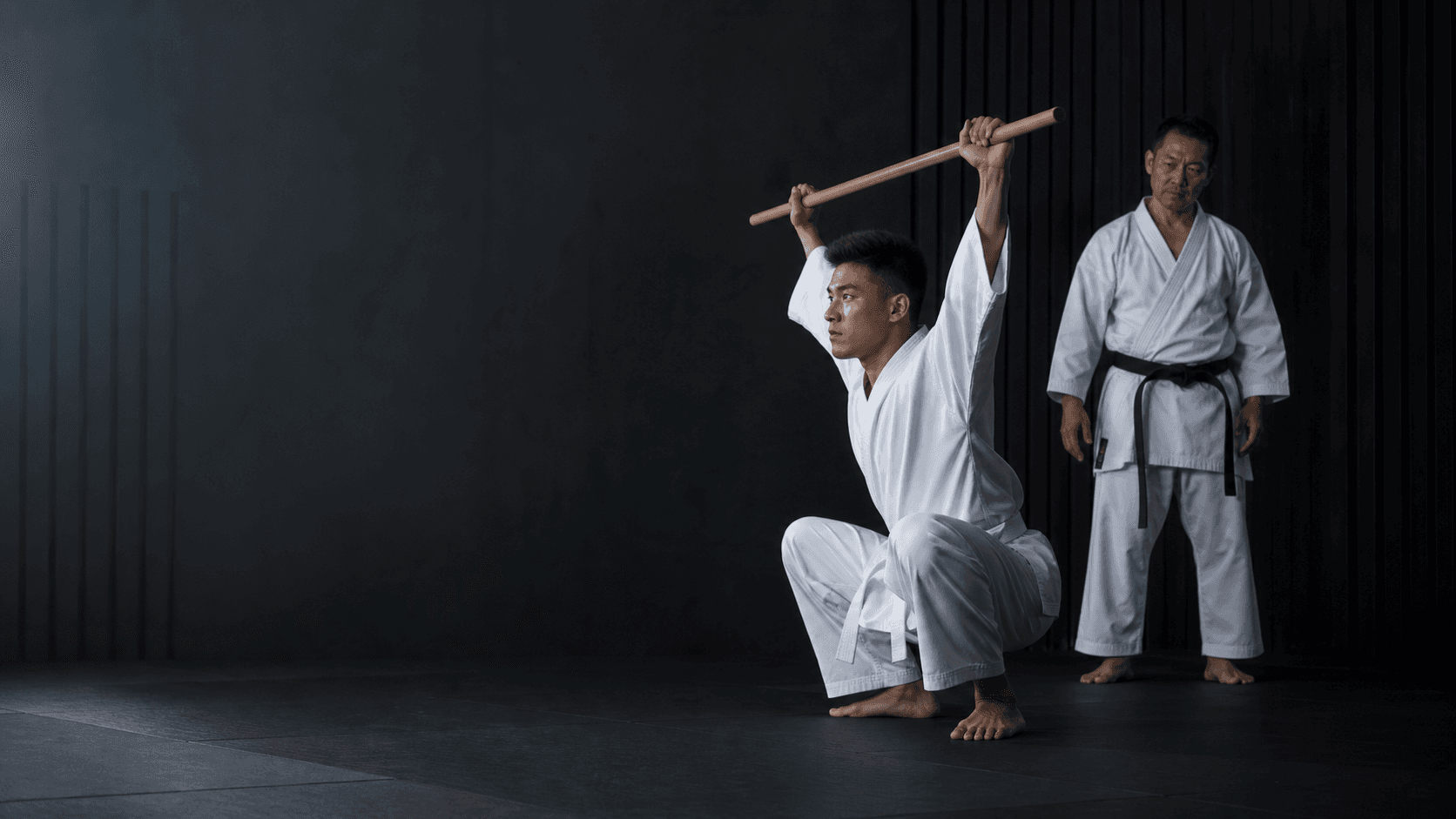
The Hidden Formula of Flawless Movement: Why You Must Move Well Before Training Hard
Have you ever wondered why some dedicated athletes suddenly suffer severe injuries or hit an unbreakable plateau despite training relentlessly? The answer rarely lies in a lack of strength or motivation—it is almost always caused by hidden movement inefficiencies.
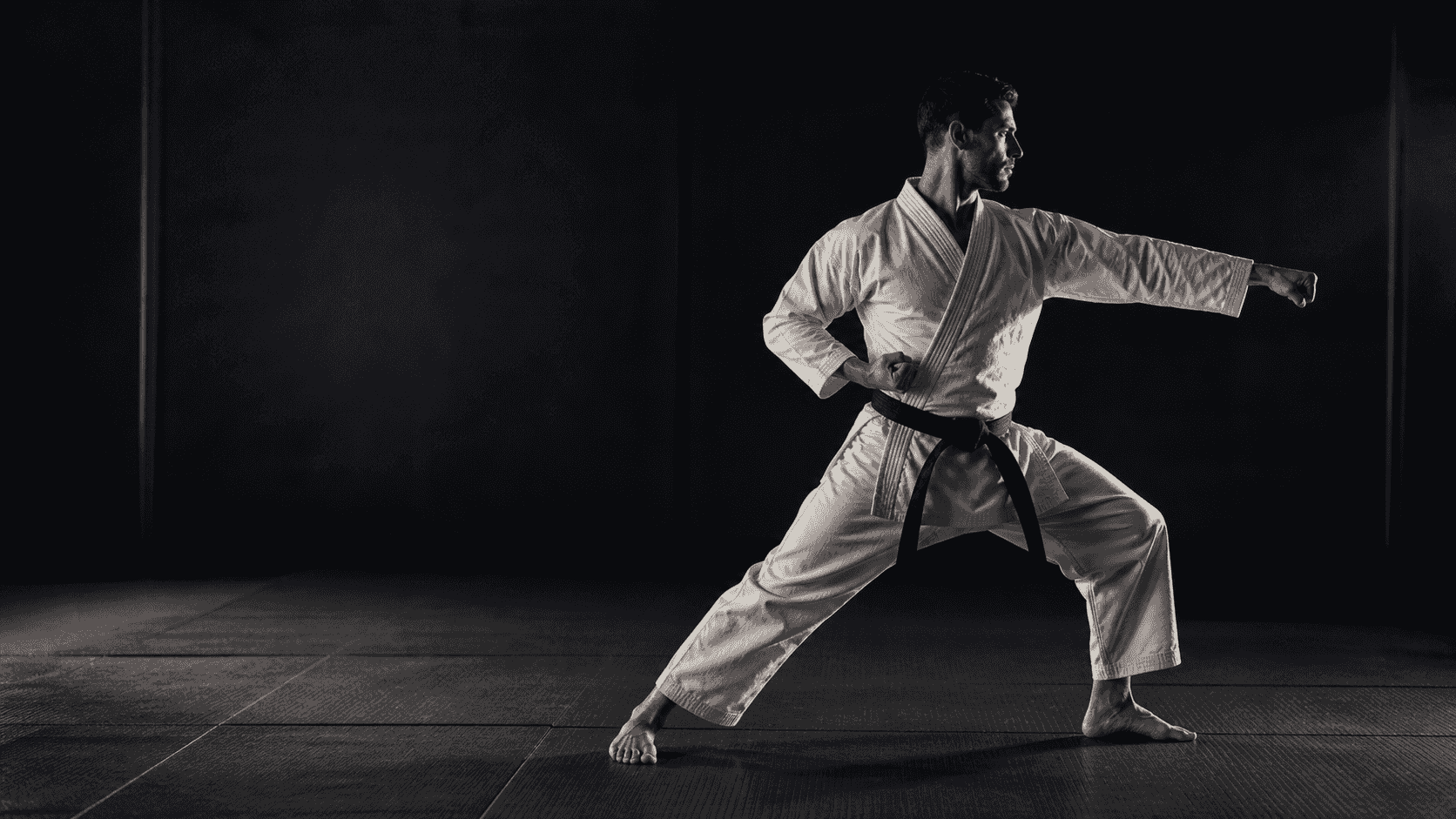
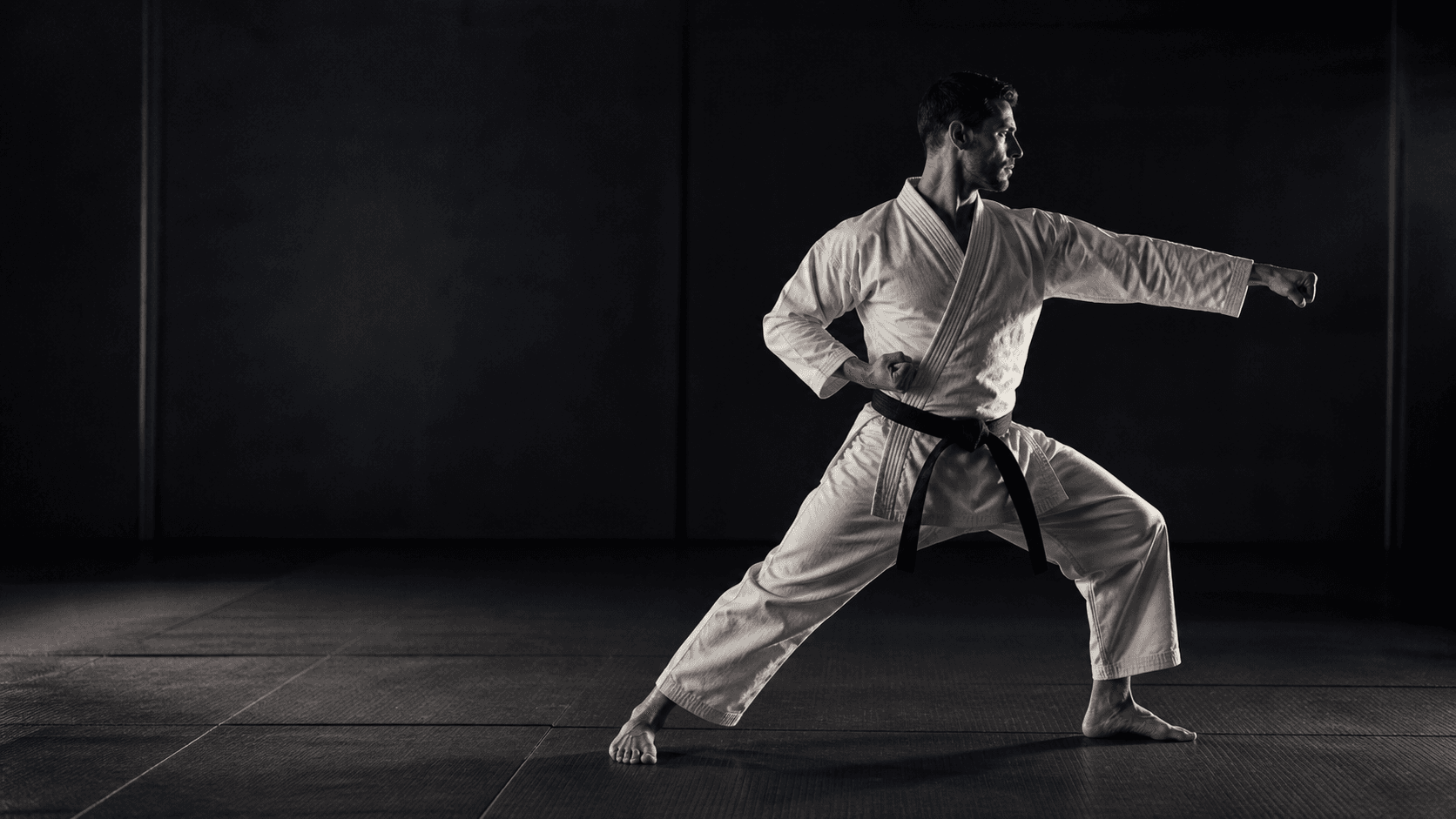
The Power of "Hara" in Karate: How the Core Maximizes Technical Output and Prevents Injuries
In traditional martial arts, particularly Karate, the concept of "Hara" or "Tanden" represents the body's physical center of gravity and the birthplace of energy.