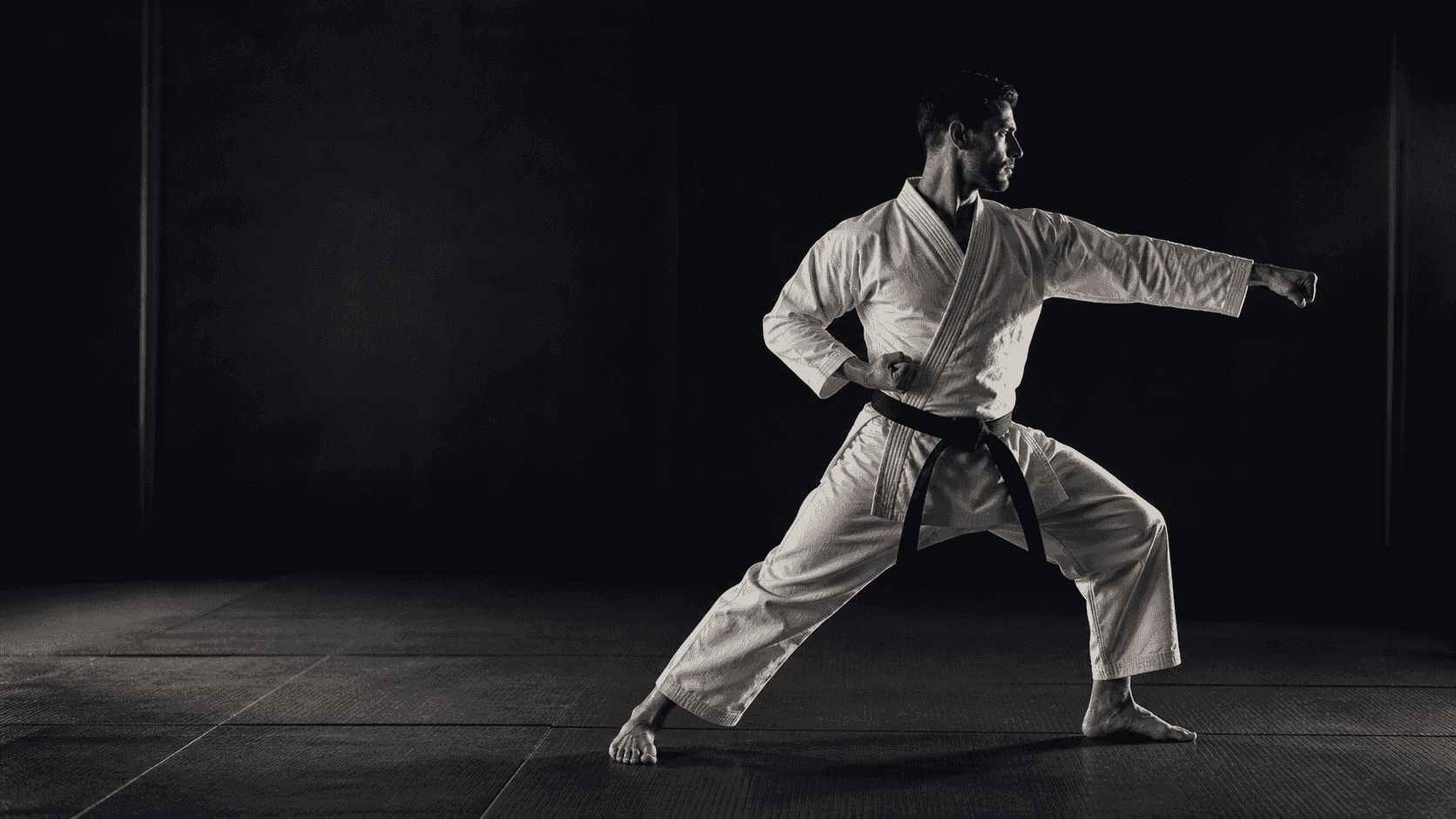
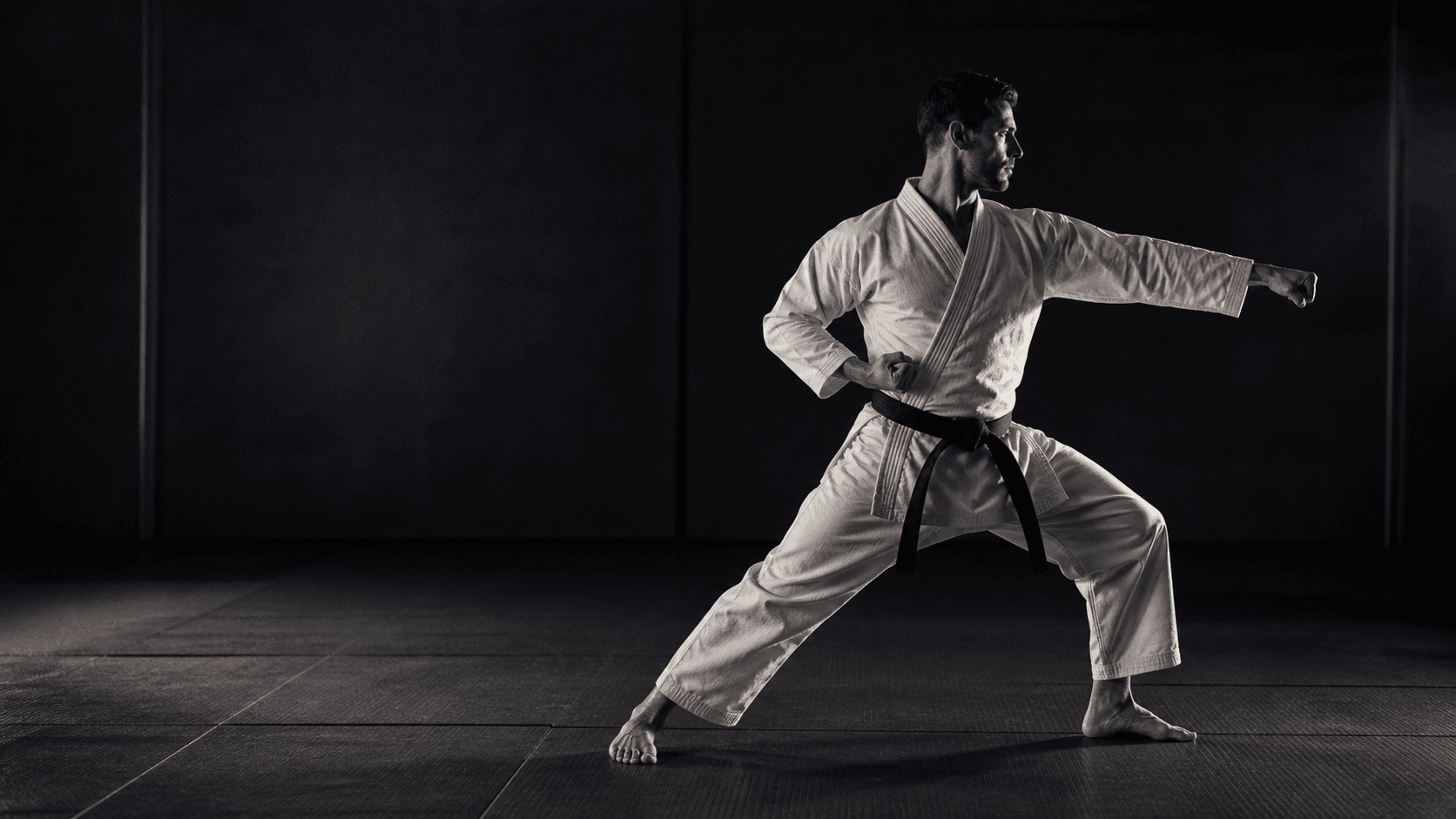
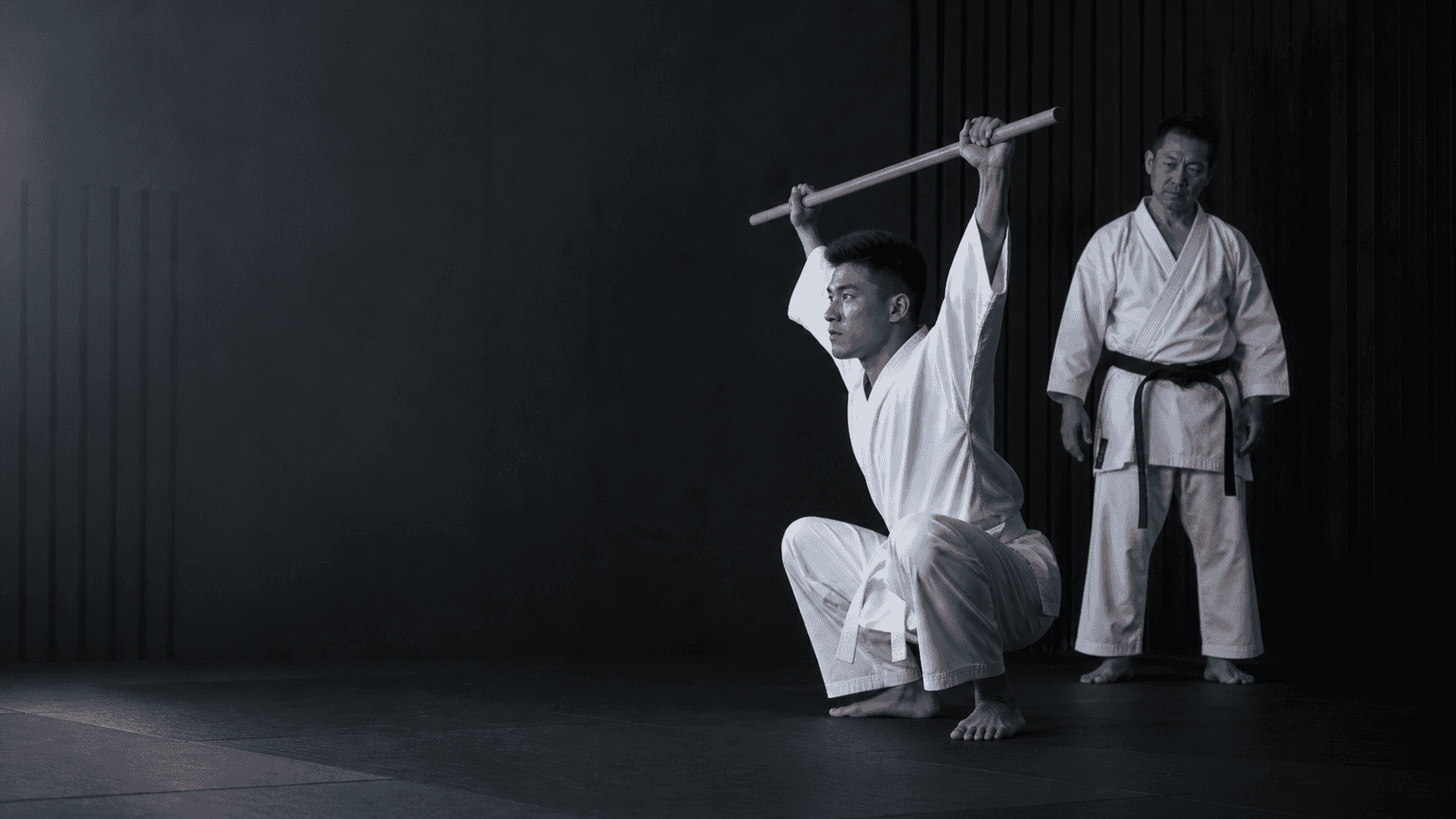
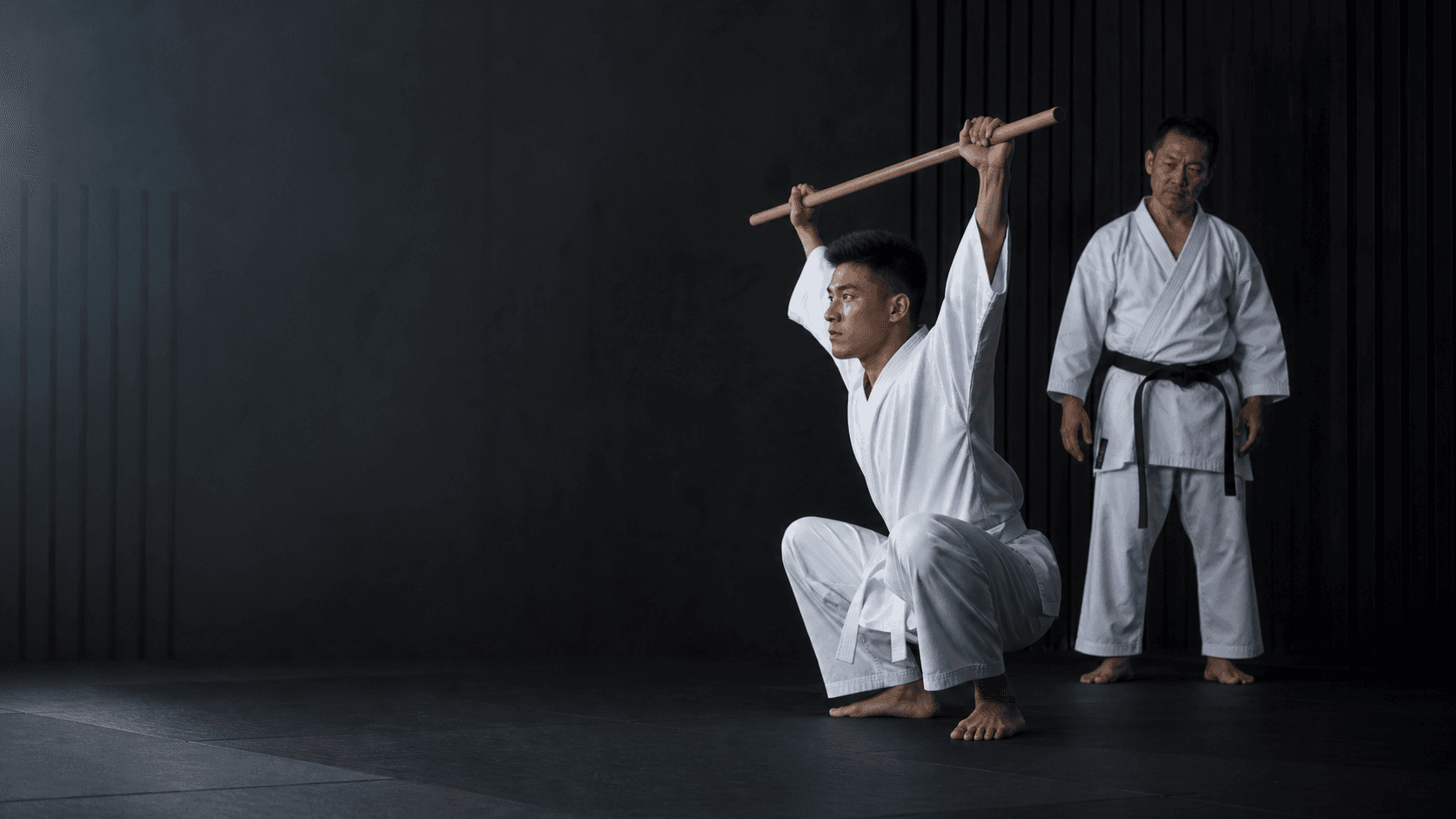
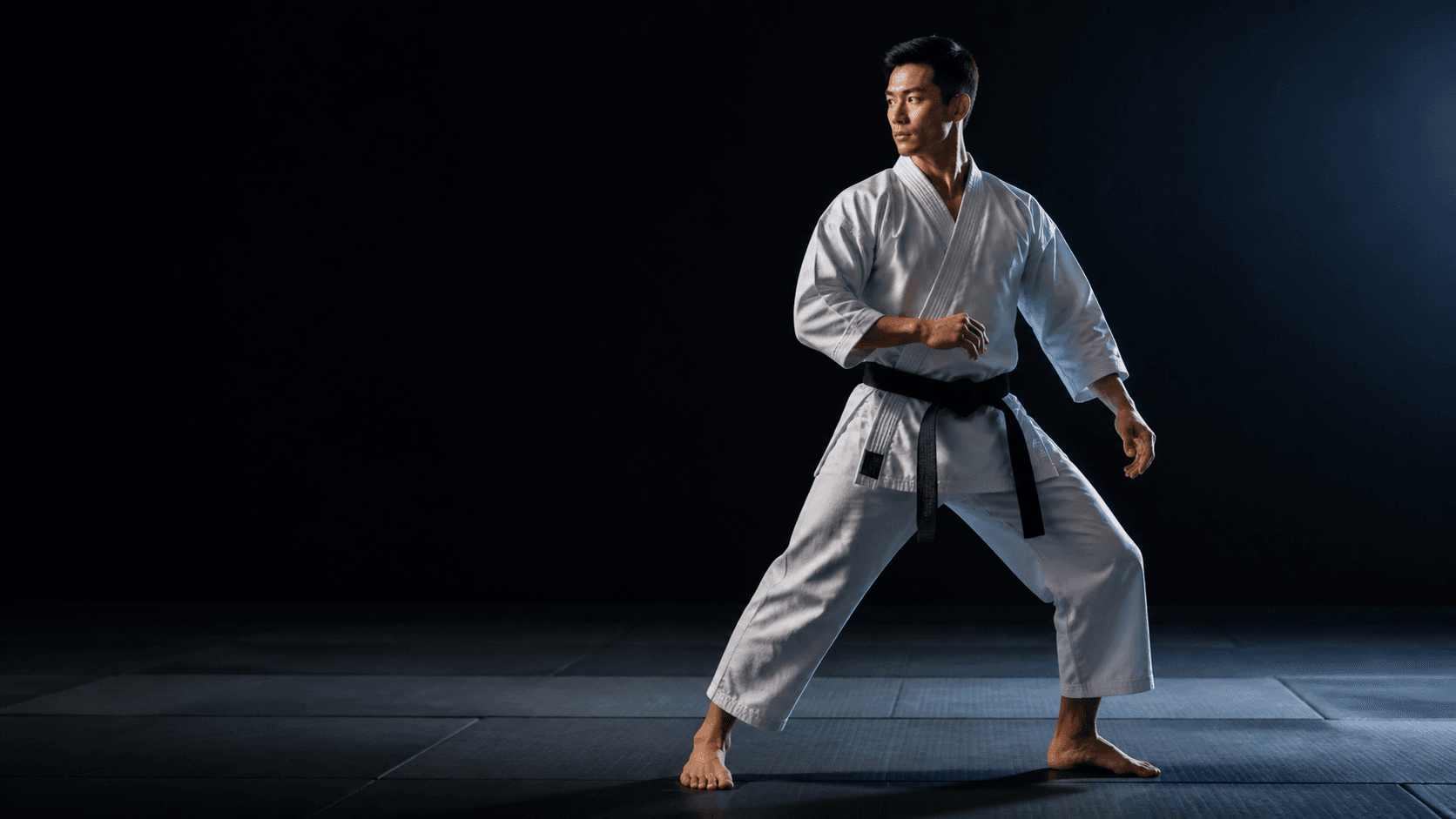
Self-Defense When You Cannot Rely on Speed or Strength
Speed and raw strength make self-defense easier, but they are not required. Structure, base and positioning work the same way for an older or less mobile student as they do for anyone else.
Most self-defense advice is written for someone young, fast and strong, and it quietly assumes the reader has all three. That assumption fails a lot of people: a grandmother walking home after visiting her grandchildren, someone recovering from knee surgery, an adult who has simply never been fast. None of that puts self-defense out of reach. It changes which principles matter, and karate has always trained more of those principles than people expect.
Speed is not the only variable
Strength and speed help, but they are only two inputs among several. Structure, base and positioning are just as decisive, and none of them require youth. A stance that keeps your weight low and your feet under you is harder to unbalance than a taller, looser one, regardless of how fast the person pushing you is. A body turned at an angle presents less target and more leverage than one squared on. These are not consolation prizes for people who lack speed. They are the same principles a fast, strong person relies on too. They simply matter more when speed and strength are not available to fall back on.
Using structure instead of force
A lot of what looks like power in karate is actually alignment. Redirecting an incoming push along its own line takes a fraction of the effort of meeting it head-on with muscle. Stepping off the line of an approach uses positioning, not speed, to solve the same problem a fast sidestep would. These techniques were never really about who is stronger. They are about not being where the force is aimed, and that is available to a person with a bad shoulder or a recent hip replacement in exactly the same way it is available to anyone else.
What this looks like for an older or less mobile student
A student training in their fifties, sixties or beyond does not need to chase the same explosive movement a nineteen-year-old is working on. What matters is base, feeling planted rather than tippy, and knowing two or three ways to create distance and get away that do not depend on outrunning anyone. Getting off balance safely and back to your feet, one of the more overlooked self-defense skills, matters more with age, not less, and is trainable at any pace. A good instructor adjusts the drilling, not the underlying principle. If you have had recent surgery or a joint replacement, check with your doctor or physiotherapist before you start, and tell the instructor before your first class.
Say the honest part out loud
None of this should be oversold. Training improves your structure, your balance and your ability to read a situation early, but it does not make anyone, at any age or fitness level, guaranteed to prevail in a violent encounter. If a situation is escalating, leaving is always the first and best option, and calling 112 is always appropriate the moment you are safe enough to do so. Physical technique, at any age, is a last resort for creating an opening to get away, not a plan for winning a fight.
- Base and structure do not require speed or youth
- Redirecting force uses alignment, not muscle, and is trainable at any age
- Falling and recovering safely matters more, not less, as you get older
- Leaving the situation and calling 112 always come before any physical response
What actually changes, week to week
The shift is not dramatic and it should not be sold as one. In the early weeks, most of the change is simply noticing your own balance: catching yourself before a stumble instead of after it, feeling when your weight has drifted onto your toes. A few months in, you may notice steadier footing on stairs or uneven pavement, well before any of it is tested by another person. That ordinary, almost unremarkable progress is the real substance of the training. It is also why consistency matters more than intensity here: two sessions a week, kept up for months, does more for base and structure than an occasional burst of effort ever will. The body learns from frequent, predictable input, not from rare and intense input, and that is true regardless of age or mobility.
A realistic starting point
If age, an old injury or simply never having been the fastest person in the room has kept you from trying self-defense training, it is worth reconsidering what the training is actually built from. It is not a speed contest. Kartal Karate Academy's classes run on Tuesday and Saturday, 18:00–19:00, for all ages, with an adult class on Thursday, 18:00–19:00, and a free trial class is the easiest way to find out what your body can actually do before deciding anything. Register at karatekartal.fit/en/register.