Creating Distance: The Footwork That Gets You Safely Away
Distance is usually taught as an idea, not a physical skill. A look at the footwork mechanics behind creating space quickly and safely, drawn straight from basic karate movement.
Distance is usually taught as an idea. It is also a physical skill
Self-defense advice returns again and again to the same instruction: keep distance, create space, get away. That advice is correct, and it is also incomplete on its own, because creating distance in the moment is a physical task, not just a decision. It depends on what your feet and hips do in the half-second someone closes in. Karate spends years training exactly that kind of movement, and the same mechanics apply directly to getting away safely, not just to sparring or forms.
One limit stated plainly before anything else: footwork buys seconds and metres, not certainty. The goal of every idea below is the same, to be somewhere else, not to win an exchange.
Why stepping straight backward tends to fail
The instinctive reaction to someone approaching too fast is to lean back and step straight away from them. It feels natural, and it is usually the slowest option available. A straight retreat keeps you on a single line, matched stride for stride against someone already moving forward, and it puts whatever is behind you, a wall, a step, another person, entirely out of your sight. Leaning back also shifts weight onto the heels, which is a poor position to move from quickly in any direction.
Stepping off the line
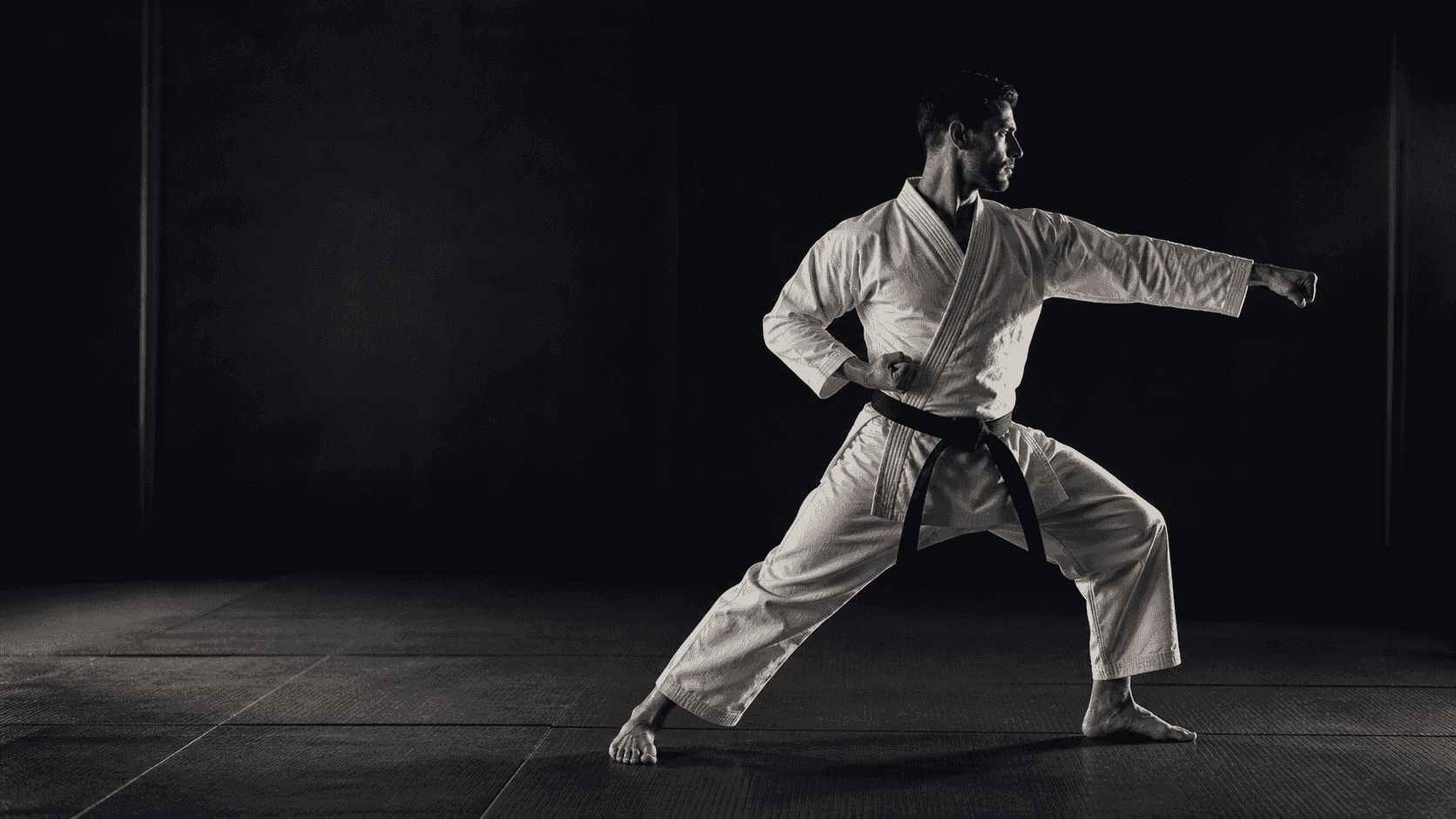
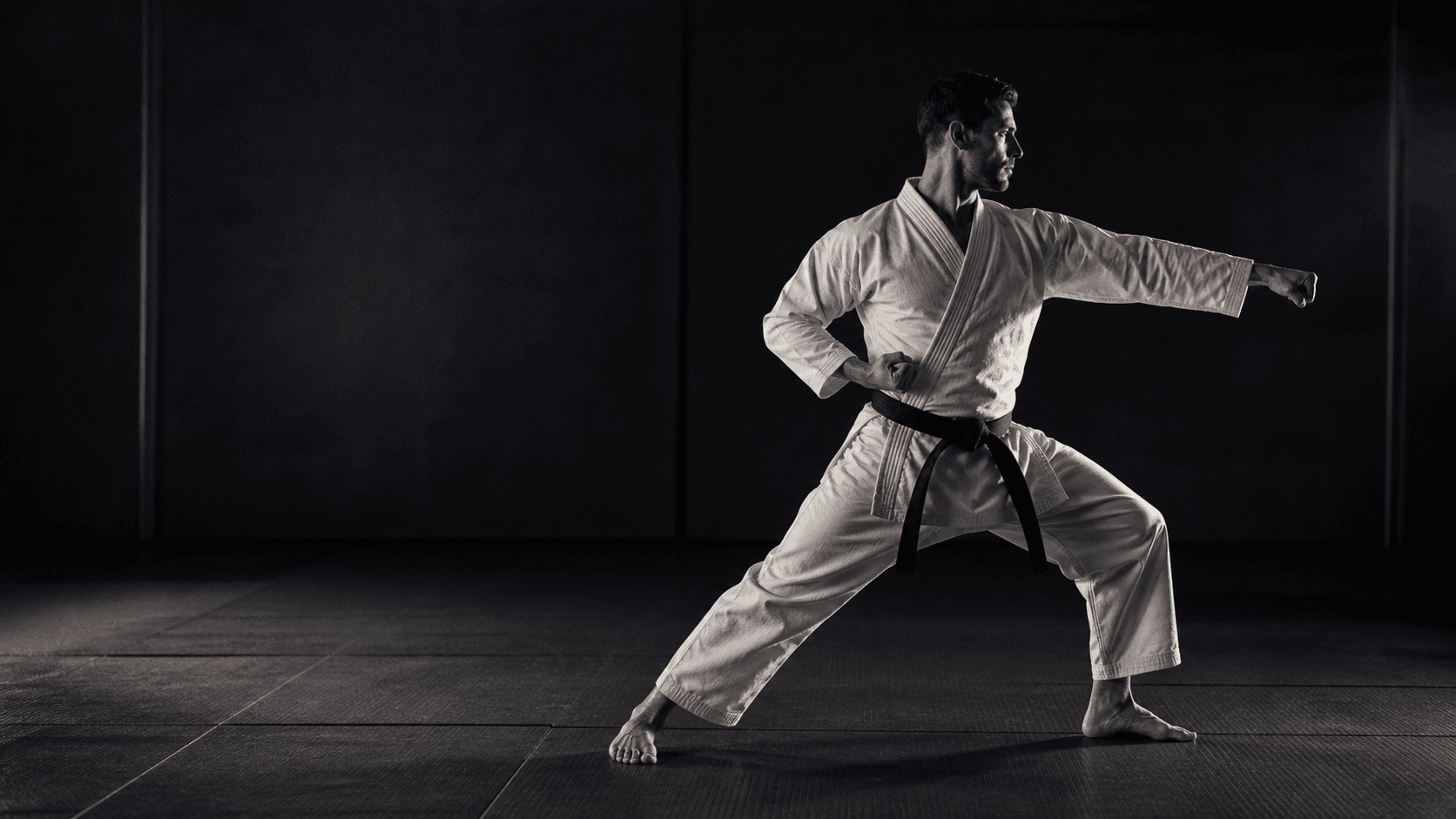
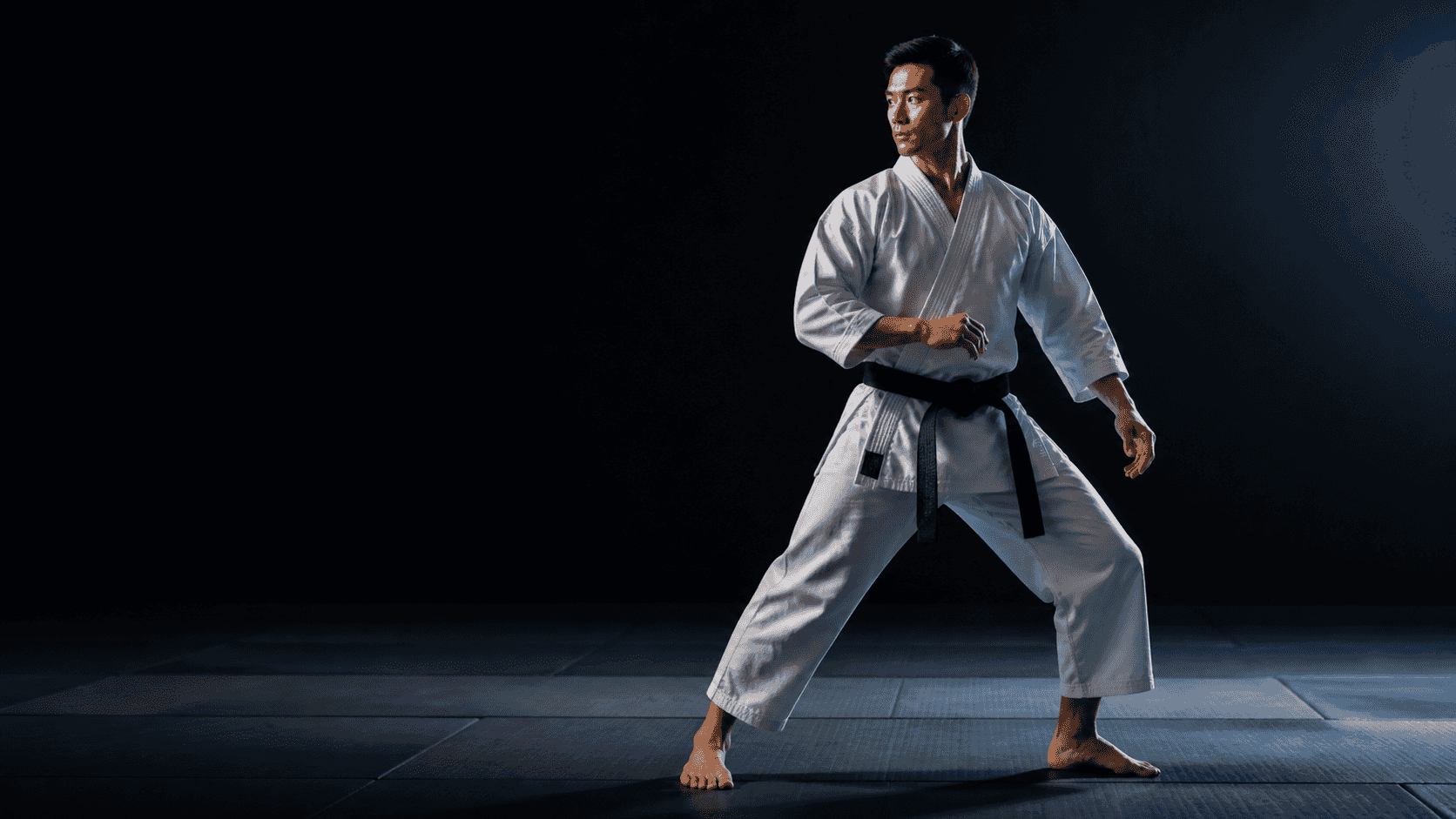
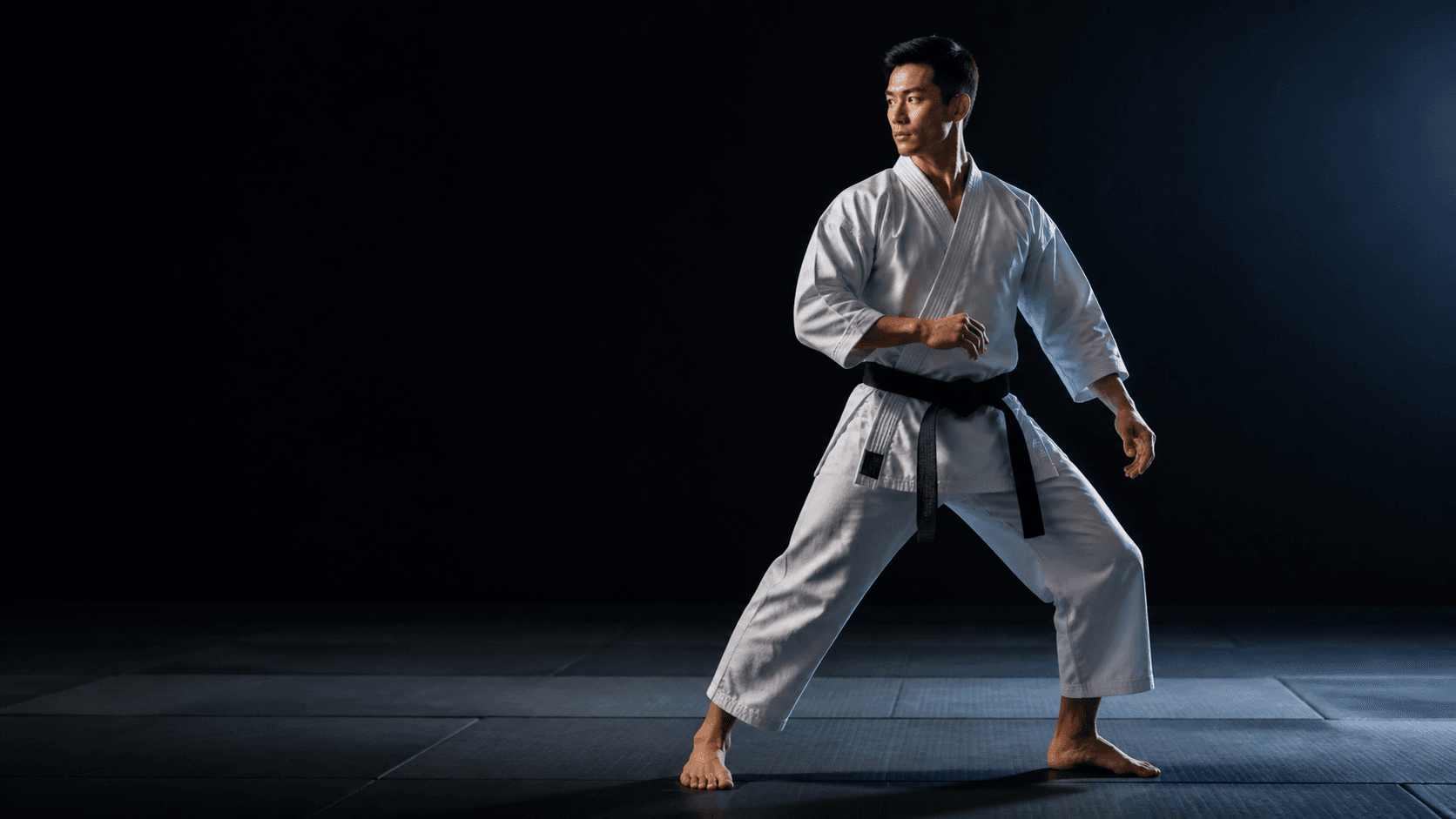
Karate's basic footwork rarely moves straight back for exactly this reason. Instead it steps at an angle, off to one side, turning the hips before the shoulders follow. Applied to escape rather than sparring, the same movement lets you exit sideways into open space instead of retreating down a narrowing lane, and it keeps the other person, and whatever is behind you, both inside your field of view at once.
- Keep the knees soft rather than locked, so a step is available immediately
- Keep weight balanced on the whole foot, not rocked back onto the heels
- Move with small, quick steps rather than one large lunging step
- Turn the hips slightly before the shoulders, so the body leads the movement
- Keep the chin level, so the eyes can track both the person and the space around them
None of this needs to look dramatic. Good footwork under pressure looks almost unremarkable, which is the point.
What the hands do while the feet are moving
Hands stay up, roughly chest height, palms facing outward. This is boundary language before it is anything else: a natural stop gesture that happens to also protect the head and centre of the body while you move. It is not a fighting stance, and it should not be read as one. The purpose of the position is to support the footwork, not to prepare a strike.
Every step should be going somewhere
Creating space only matters if the space leads to something: a doorway, a street with people on it, a shop, your own vehicle. Footwork without a destination just delays the same problem by a few seconds. Before you need it, it helps to have already noticed, in an ordinary and unhurried way, where the way out of a room or street actually is, so that the direction you step in during a bad moment is a direction that leads somewhere useful.
What footwork cannot do
Good footwork does not turn a beginner into someone who can consistently out-move a larger, faster, or more determined attacker, and no article or class can promise that it will. What it reliably buys is a small amount of extra space and a few extra seconds, and those seconds are for one purpose: leaving, shouting, or reaching help, never for continuing an exchange to finish it. Leaving while it is still possible is success. In Turkey the emergency number is 112.
Train with us in Kartal
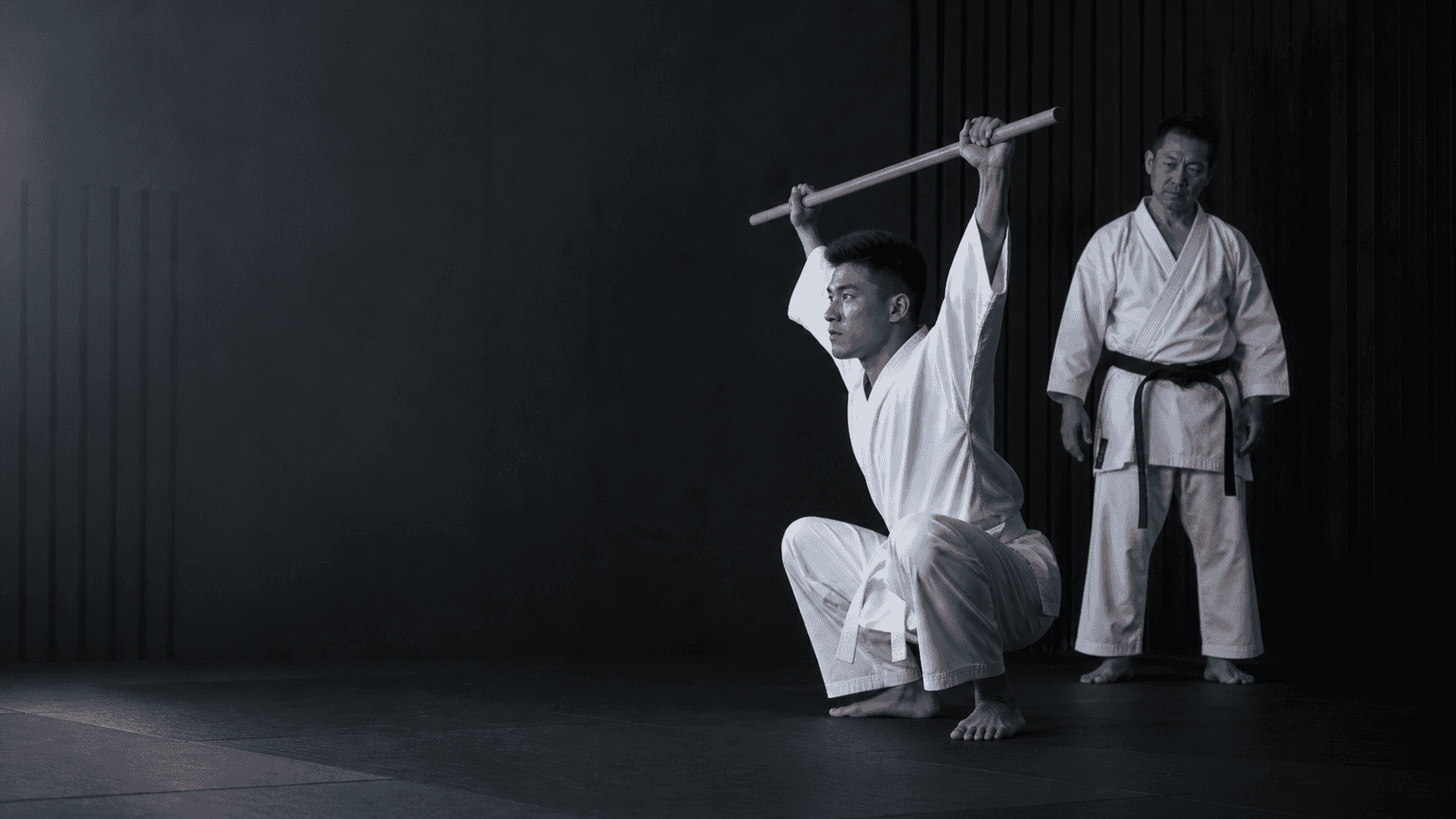
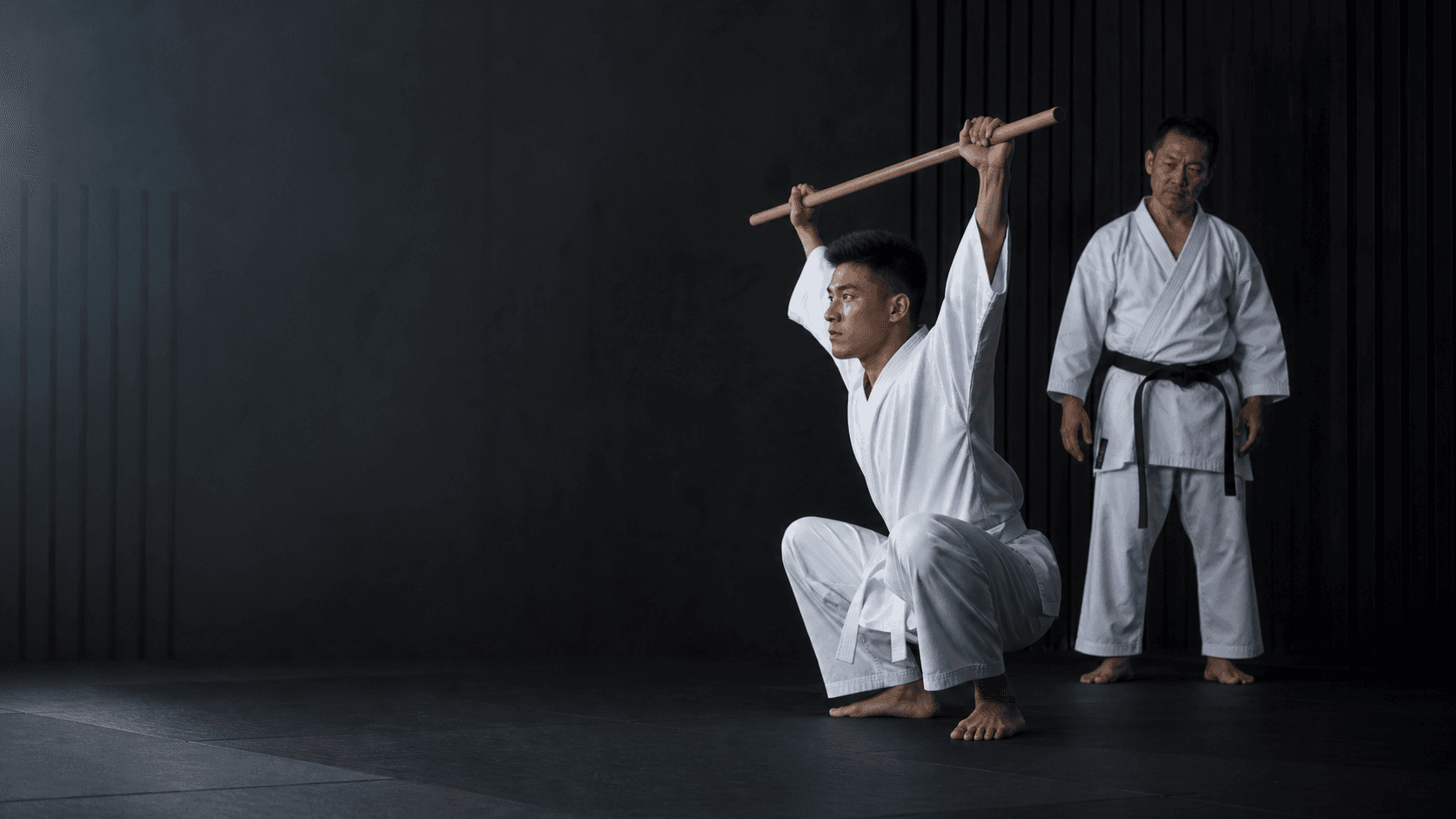
This stepping and turning work is not a self-defense add-on at Kartal Karate Academy, it is basic karate movement, part of ordinary training. Classes are led by Sensei Behzad Yaghoubian and Sensei Homa Yaghoubian, both international karate champions, at Yakacık Spor Kulübü, Spor Cd. No:4, Cumhuriyet Mahallesi, 34876 Kartal, İstanbul, on Tuesday and Saturday, 18:00–19:00. There is also an adult class on Thursday, 18:00–19:00.
The first class is free, and you are welcome to come and watch one before deciding anything. Book your free trial at karatekartal.fit/en/register.