How You Walk Tells a Stranger Whether You're an Easy Target
Why This Isn't About Looking Tough
A small but often-repeated line of research asks people, including convicted offenders, to watch silent video clips of strangers walking and rate how easy each one would be to target. The judgments are fast and surprisingly consistent between raters who have never met. That finding gets used two ways: as a scare tactic, or as something useful. This article is aiming for useful.
Nothing here means untrained movement makes you responsible for someone else's decision to cause harm. Responsibility for violence sits entirely with the person who chooses it. What follows is about the small, learnable adjustments that change how a stranger reads you in the two or three seconds most encounters actually take.
What Target Selection Actually Means
The research on gait and vulnerability doesn't describe a checklist an attacker consciously runs through. It describes pattern recognition — the same fast, low-effort judgment you make about whether a driver is about to change lanes without signaling. Predators, like everyone else, are reading movement for information about attention, balance and confidence, and they are doing it quickly, without much deliberation.
That matters because it means the signals are mostly about state, not appearance. It is not about height, build or how tough someone looks. Two people of the same size can read completely differently depending on how they move.
The Body Signals That Matter
Across the studies on this, a handful of features come up again and again:
- Stride length and rhythm — short, choppy, irregular steps read as distracted or off-balance; a steady, even stride reads as someone paying attention to their surroundings
- Head position — a head that stays down, buried in a phone, or fixed in one direction reads as unaware; a head that moves naturally to scan reads as alert
- Posture through the torso — collapsed shoulders and a bowed spine read differently than an upright, relaxed carriage, independent of muscle or size
- Arm swing — arms held tight to the body or full of bags with no free hand reads as reduced ability to respond
- Pace consistency — sudden slowing, hesitation at corners, or visible confusion about direction reads as someone who hasn't planned their route
None of these are about aggression or bravado. A relaxed, purposeful walk and a puffed-up, aggressive one read very differently to an outside observer, and only one of them is what this is describing.
Practicing This Without Becoming Paranoid
You don't fix any of this by performing confidence like a costume. It shows, and performed confidence often looks more effortful than the real thing. The more honest approach is to work on the underlying pieces separately.
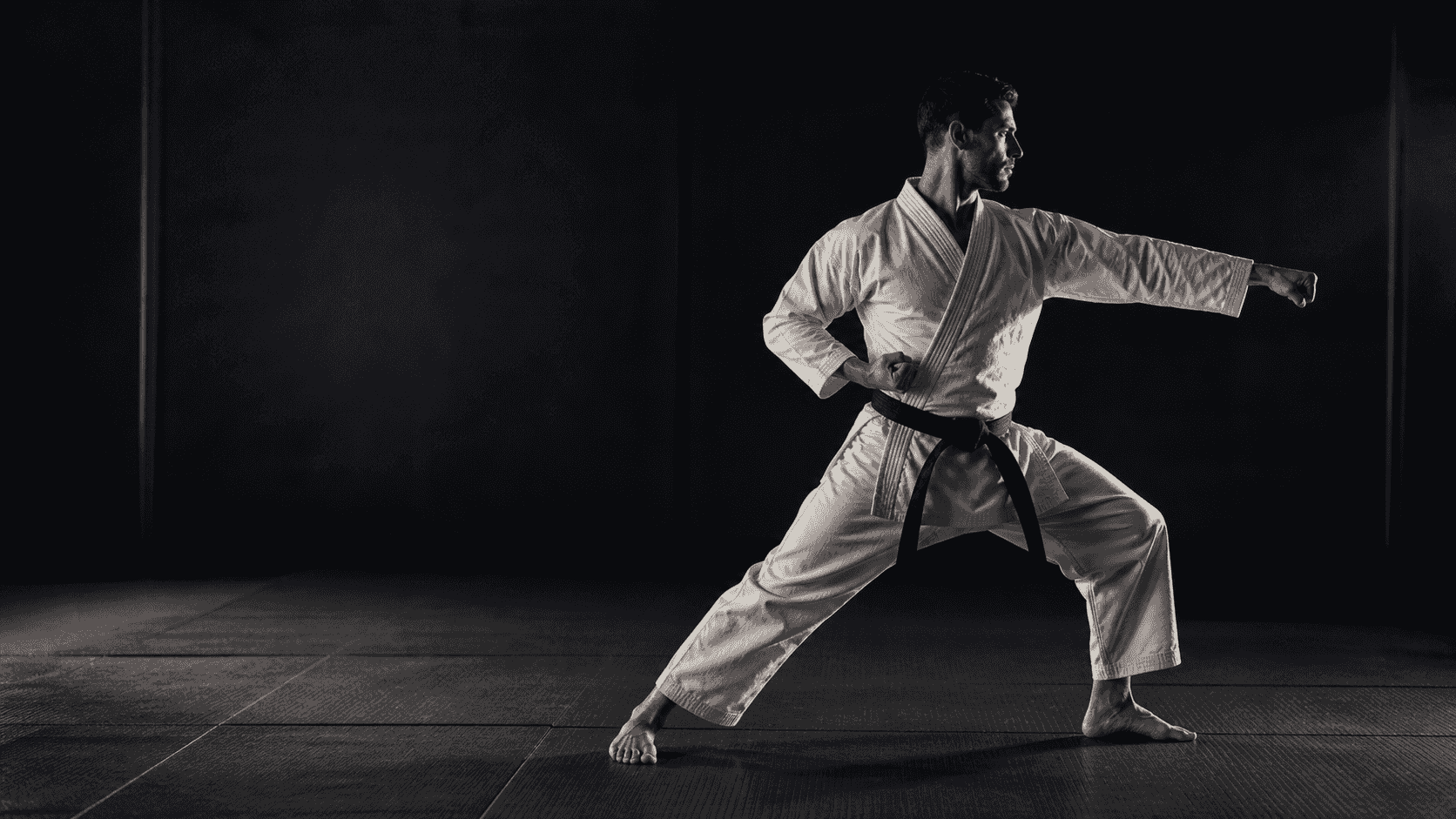
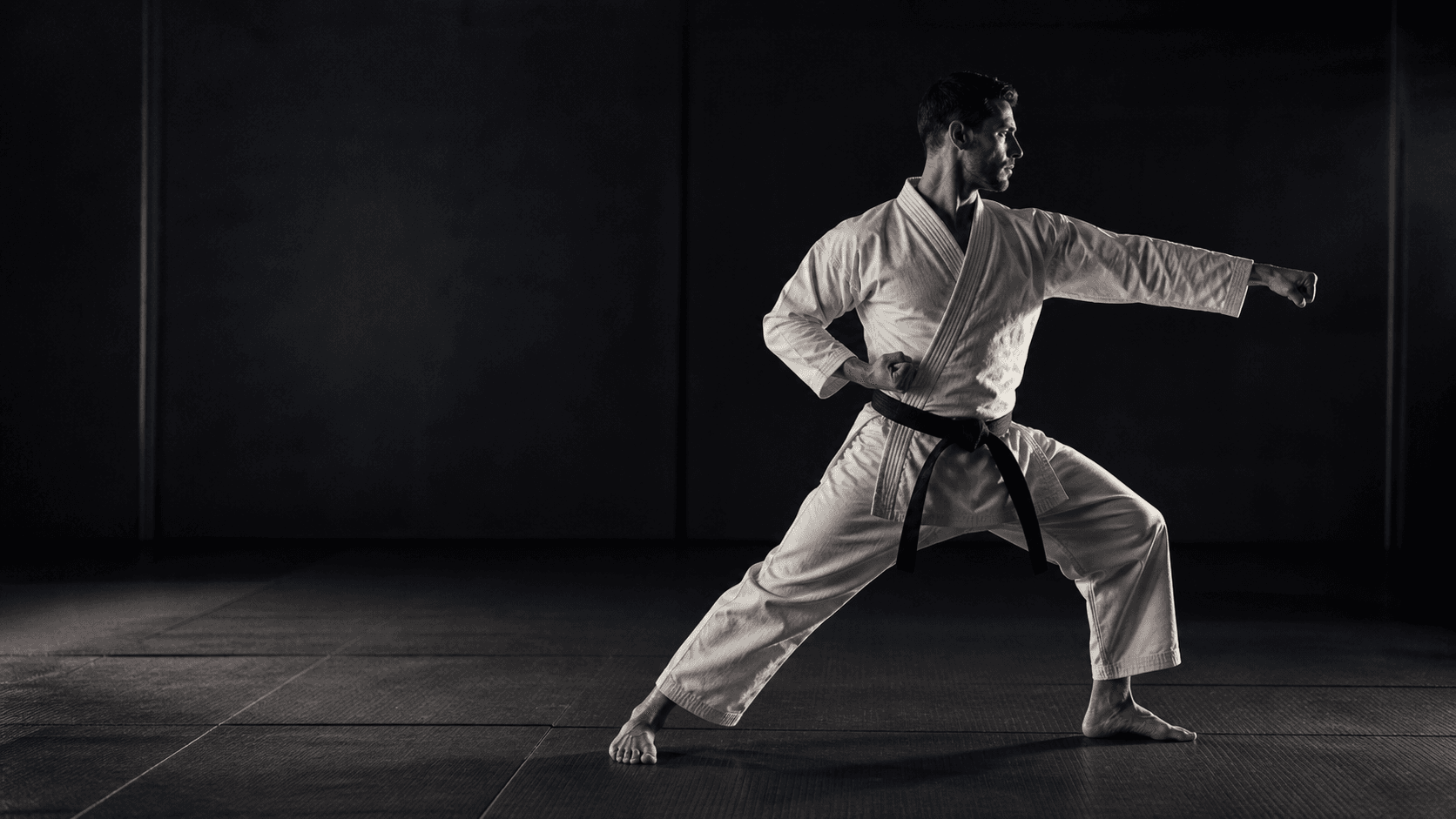
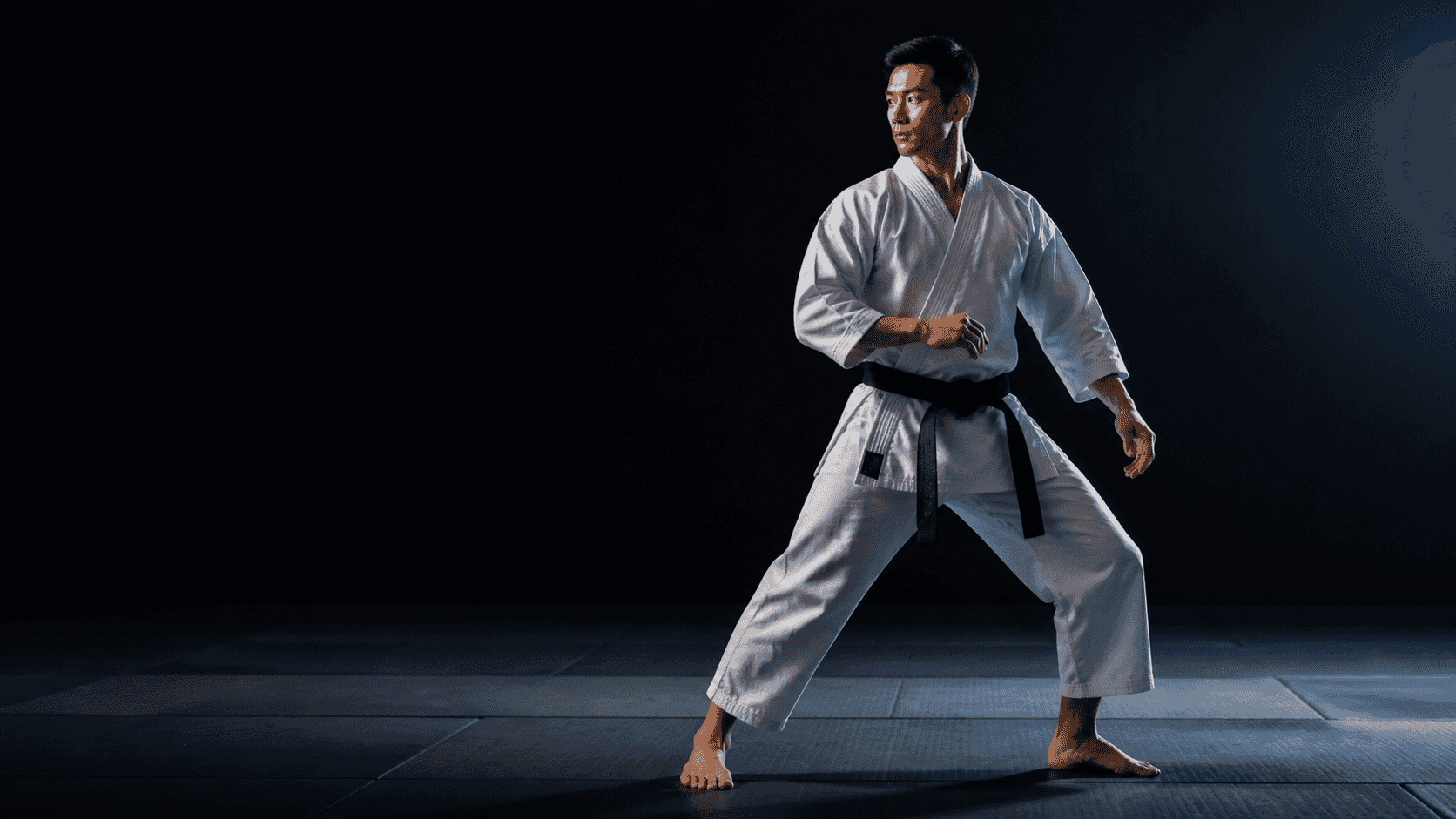
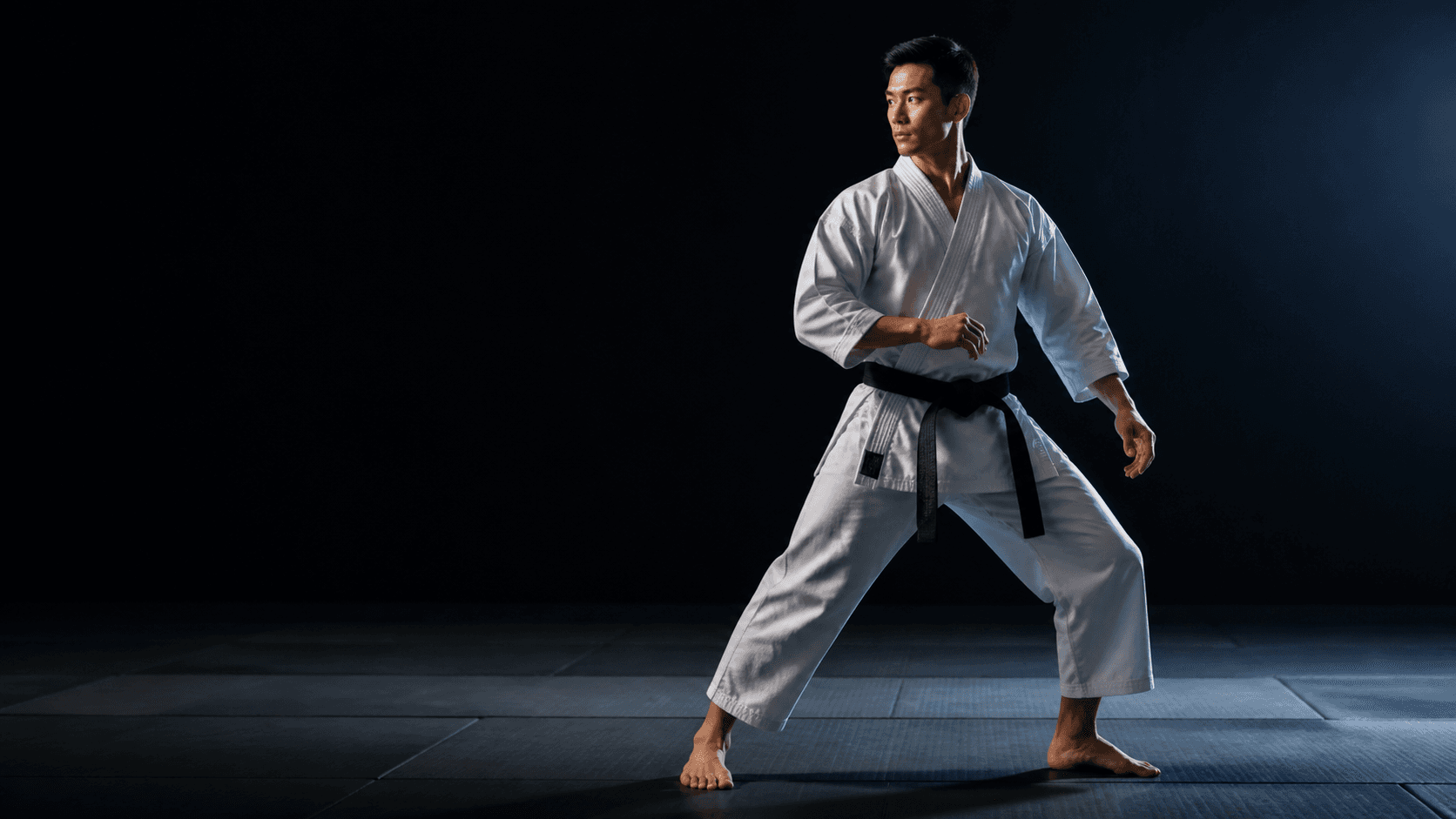
Head position is the easiest place to start, because it's mostly a phone habit. Save the phone check for a doorway, a shop entrance, or a moment when you've stopped moving, rather than doing it mid-stride on an empty street. Posture responds to the same conditioning work karate already builds — the upright stance and steady base you train in kata carries over directly to how you carry yourself walking to the car park afterward. Stride and pace are mostly about knowing your route before you start it, so you're not visibly deciding where to go while you're already exposed.
None of this needs to become a constant background task. It works best as a habit you build once, in low-stakes moments, so it's simply how you move by default — not something you switch on when you feel unsafe, which is usually too late to change much.
When Awareness Isn't Enough
Reading and being read by strangers is one layer among several, and it is not a guarantee. It doesn't replace situational awareness, it doesn't replace leaving early when something feels wrong, and it certainly doesn't replace training in escape and de-escalation for the moments when avoidance has already failed. A few classes, or reading this article, does not make anyone capable of winning a violent confrontation — training reduces risk, it does not remove it.
If a situation moves past the point where posture and awareness matter, the priority is the same as always: create distance, get somewhere with other people, and use your voice. If you are ever in immediate danger in Turkey, call 112.
Start Building These Habits Together
Kata already trains a stable, upright base and controlled attention — it's the same physical vocabulary this article is describing, just applied on a different floor. If you'd like to build it deliberately, Kartal Karate Academy offers a free trial class for adults and children at our Yakacık Spor Kulübü venue. You can register at karatekartal.fit/en/register, or call +90 501 366 56 30 or +90 544 373 74 79 to ask a question first.