Getting Up When You've Been Pushed to the Ground
The Moment After You Hit the Ground
Most self-defense material talks about avoiding a fall or, at most, how to fall without breaking a wrist. Almost none of it talks about the ten seconds right after — the ones where you are on the ground and someone is still standing over you, or the crowd is still moving around you, or you are simply disoriented and need to get vertical again. Those ten seconds matter as much as the fall itself.
This is not about ground fighting or wrestling technique. It is about the ordinary, unglamorous mechanics of recovering your feet quickly and in a way that keeps you protected while you do it.
Why the Ground Is the Worst Place to Stay
On the ground you lose the two things that keep you safest: distance and mobility. You cannot see everything around you, you cannot move quickly in any direction, and your arms are partly needed just to hold your position. If someone is a threat, every second spent on the ground is a second where they have the advantage. The goal is never to "win" from the ground — it is to leave it as fast as safely possible.
This is true whether the ground is a training mat, a sidewalk, a bus that just braked hard, or a crowded stairwell where you were pushed by the crowd, not a person. The mechanics of getting up safely apply the same way.
The Instinct That Works Against You
Most people, when knocked down, try to stand the way they would from a chair: pushing straight up through both legs at once, often with their back to whatever knocked them down. That works fine on a quiet morning. Under stress it is slow, it takes your eyes off your surroundings for a moment too long, and it leaves your head low and close to any incoming contact.
A Simple Way to Get Up That Keeps You Protected
You do not need a martial arts technique for this — you need an order of operations.
- Get your arms up and in first, protecting your head and face before you worry about your feet
- Turn onto your side rather than staying flat on your back, so you are not fully exposed
- Bring one knee up under you so you have a base, rather than trying to rise from flat ground in one motion
- Push up through that bent leg, keeping your head up and your eyes on your surroundings the whole time, not down at your hands
- Stand into a position where your feet are apart and under you, not with your legs crossed or your weight on your toes
None of this is fast to read but it is fast to do once your body knows the order. That is the entire point of practising it slowly, on a mat, long before you would ever need it under stress.
Why Watching Instead of Rushing Matters
The instinct under adrenaline is to get up as fast as physically possible. Speed without awareness is not actually faster — it just means you stand up facing the wrong direction, or you stand up and walk straight back toward whatever knocked you down in the first place. Keeping your eyes up while you rise costs almost nothing in time and changes what you know the moment you are on your feet.
Be Honest About What This Changes and What It Doesn't
Practising how to get up safely does not prevent falls, and it does not turn a bad situation into a safe one. If someone deliberately puts you on the ground, training does not guarantee you get back up unharmed — nothing does. What it does is remove one source of delay and confusion in a moment when both work against you. That is a modest, honest claim, and it is the only one worth making.
If you are ever on the ground because of someone else's actions and you are able to reach a phone, Turkey's emergency number is 112.
Where This Fits in a Karate Class
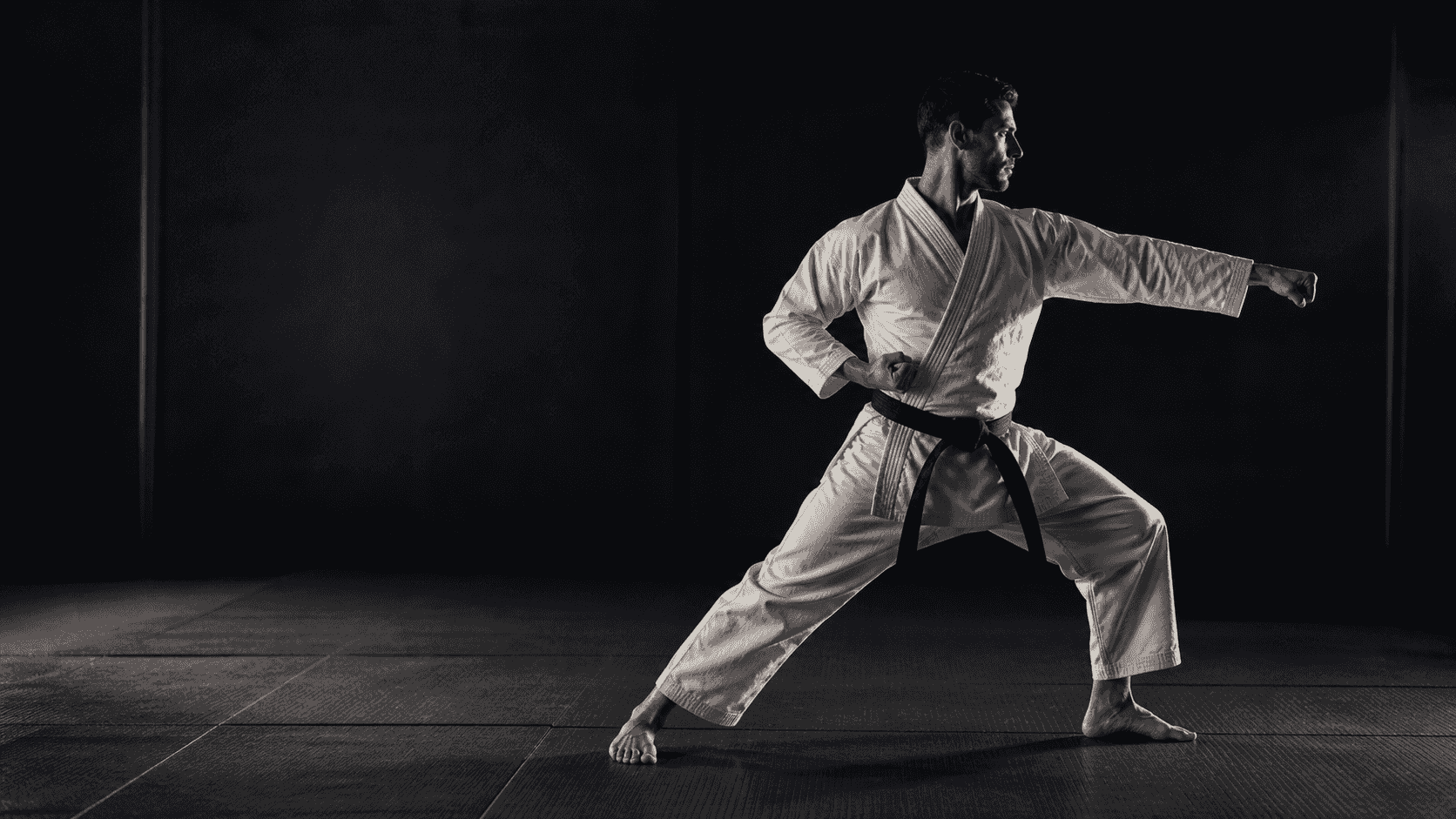
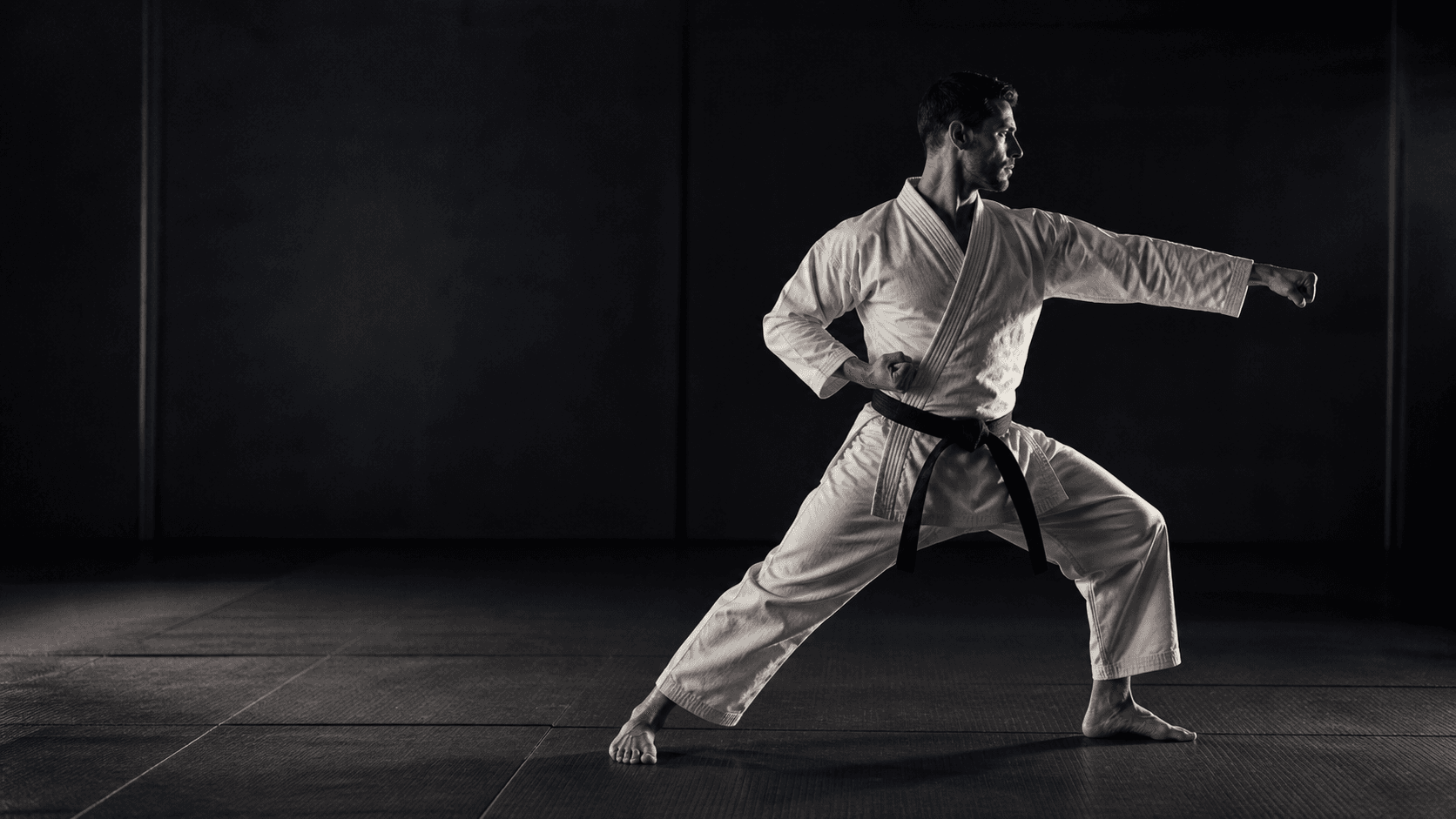
This is one of the small, practical layers we build into self-defense sessions at Kartal Karate Academy — not dramatic technique, just the ordinary mechanics that make an unpleasant moment shorter. If you want to see how sessions are structured, the free trial class is the easiest way to find out. You can register at karatekartal.fit/en/register.