How Long Does a Black Belt Take? An Honest Answer
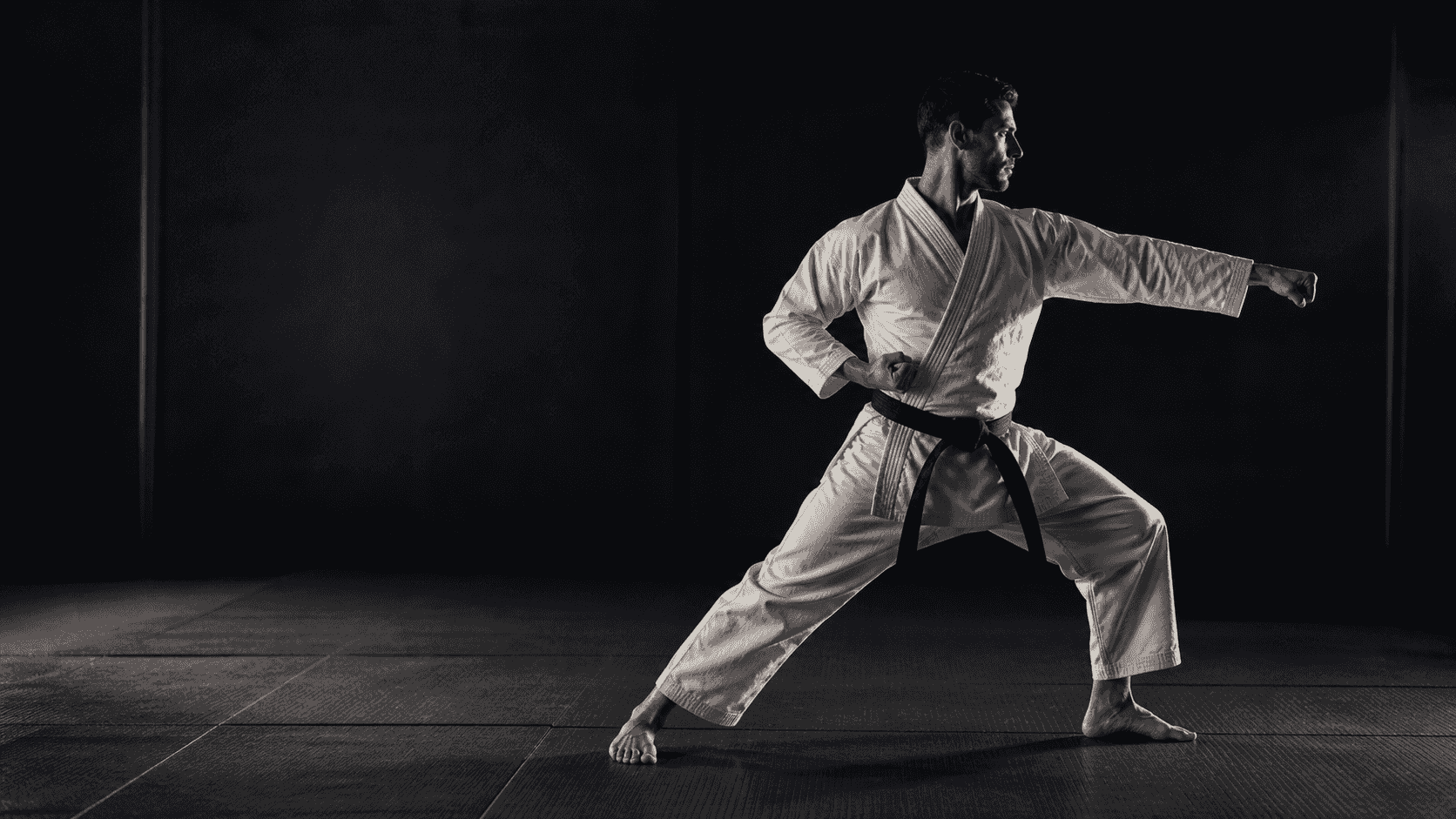
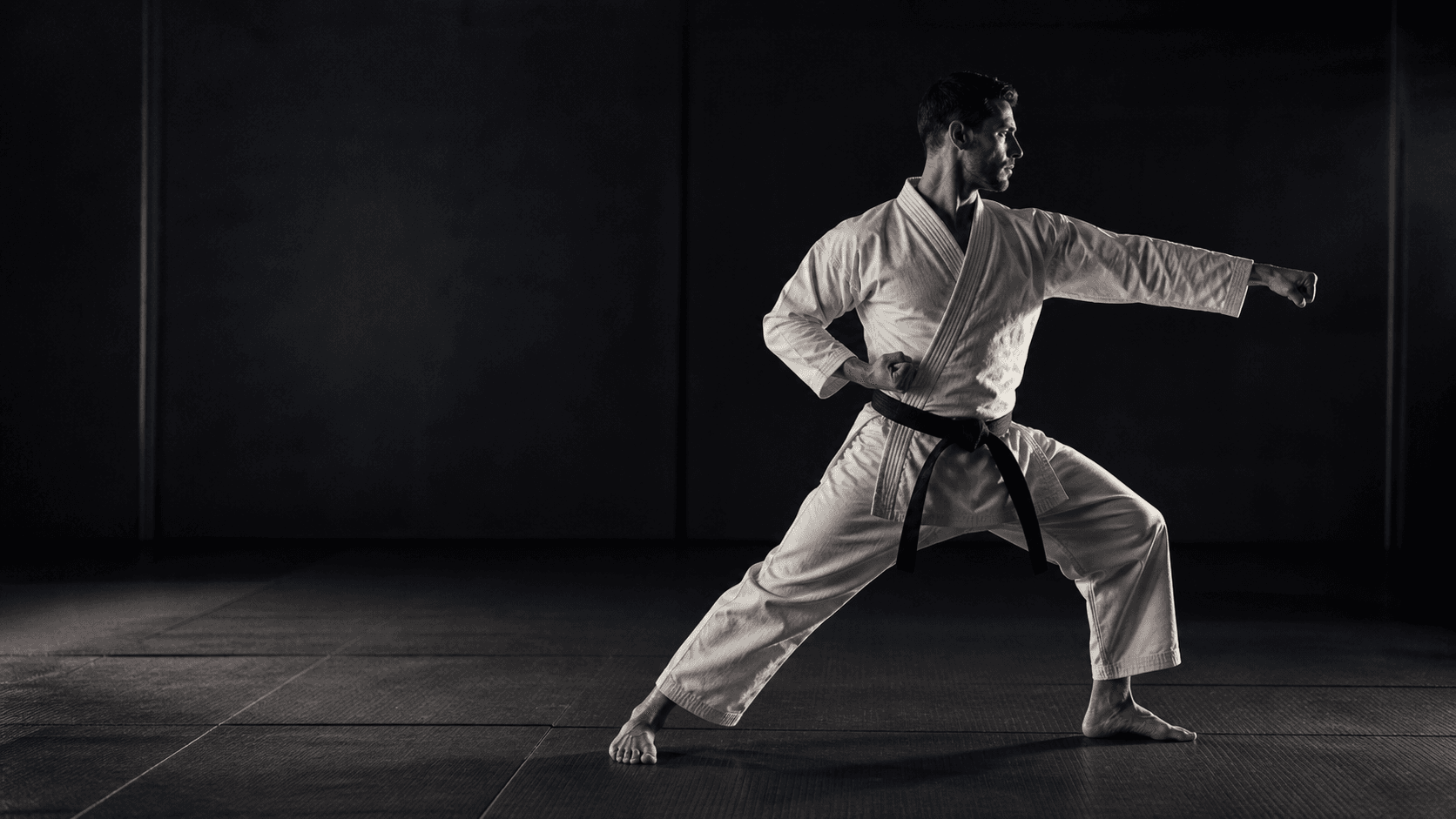
This is usually one of the first questions anyone asks before starting karate, and it deserves a straight answer instead of a marketing one. A black belt is not a fixed number of months. It is closer to several years of consistent training, and the honest range depends more on attendance and age than on talent. Here is what actually goes into that timeline, plus the practical costs nobody mentions in the brochure.
How Belt Grading Actually Works
Karate uses a kyu and dan system. Kyu grades count down from a beginner rank toward black belt, and dan grades count up after it. Each kyu grade typically represents a defined set of stances, strikes, blocks and often a specific kata that a student demonstrates in front of an instructor. Grading is not automatic and it is not owed to anyone for time served — it reflects whether the technique is actually there, which is exactly why two students who started the same week can grade at different paces.
The Time Commitment, Realistically
Training once a week will get you to black belt eventually, but slowly, because karate is a skill built through repetition and the body needs frequent, spaced practice to retain it. Training two to three times a week is the pace most schools see produce steady progress without burning students out, especially adults balancing work and family. Children often need more calendar time between grades than adults, not less, because technical precision takes longer to arrive than enthusiasm does. None of this is a straight line — expect plateaus, a stretch where progress feels invisible, and then a grading where it all shows up at once.
The Cost Nobody Puts in the Brochure
The money is usually the smaller cost. The larger ones are the two evenings a week that stop being available for anything else, the drive to the dojo in Istanbul traffic, and the stretch somewhere in the middle grades where the novelty has worn off and the black belt is still years away. That middle stretch is where most people quit, and it is worth knowing about in advance so it feels like a normal phase rather than a sign you chose wrong. For families there is a second cost worth naming: a child's karate schedule becomes a parent's schedule too, for years.
What You Actually Need to Buy
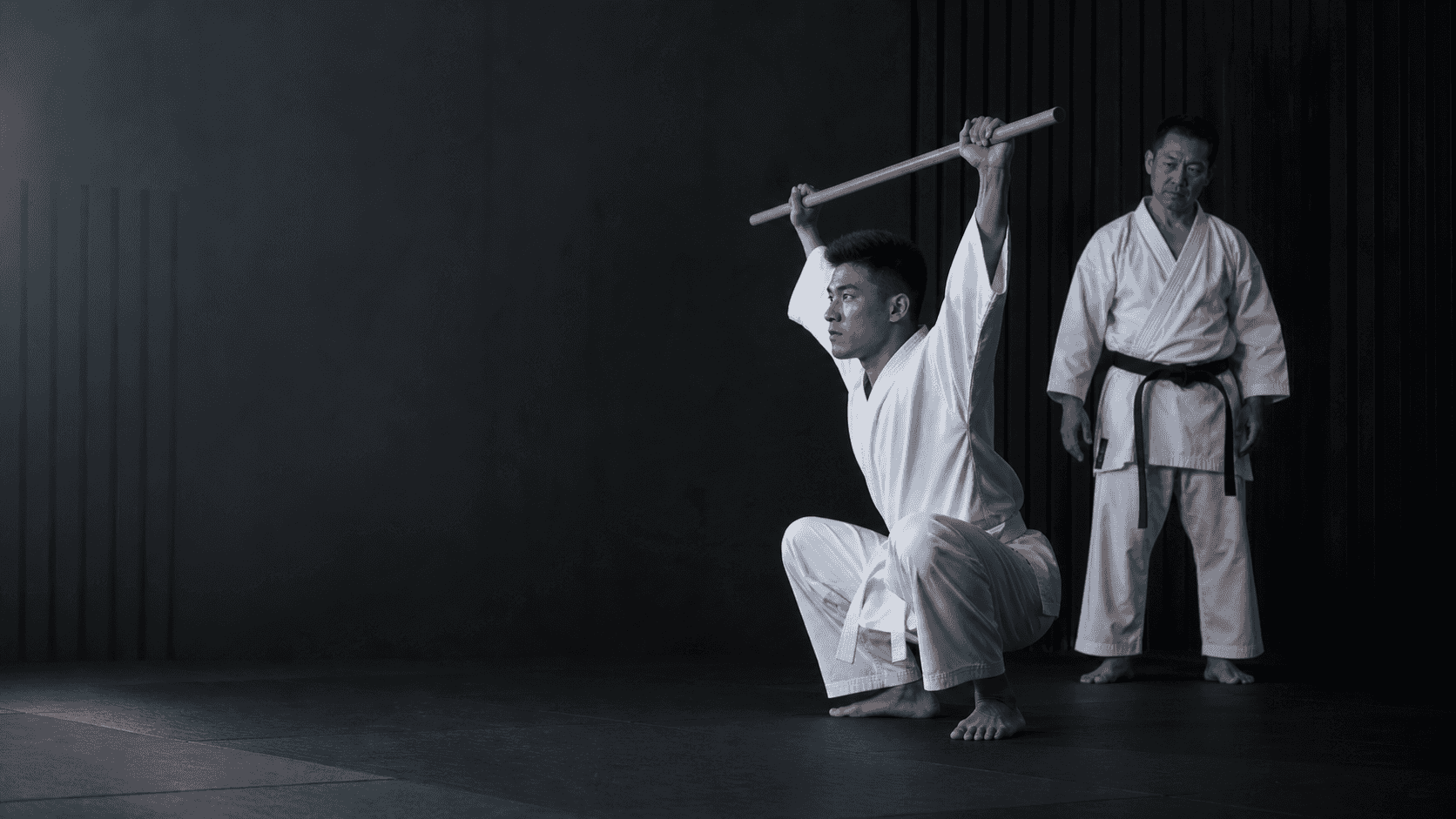
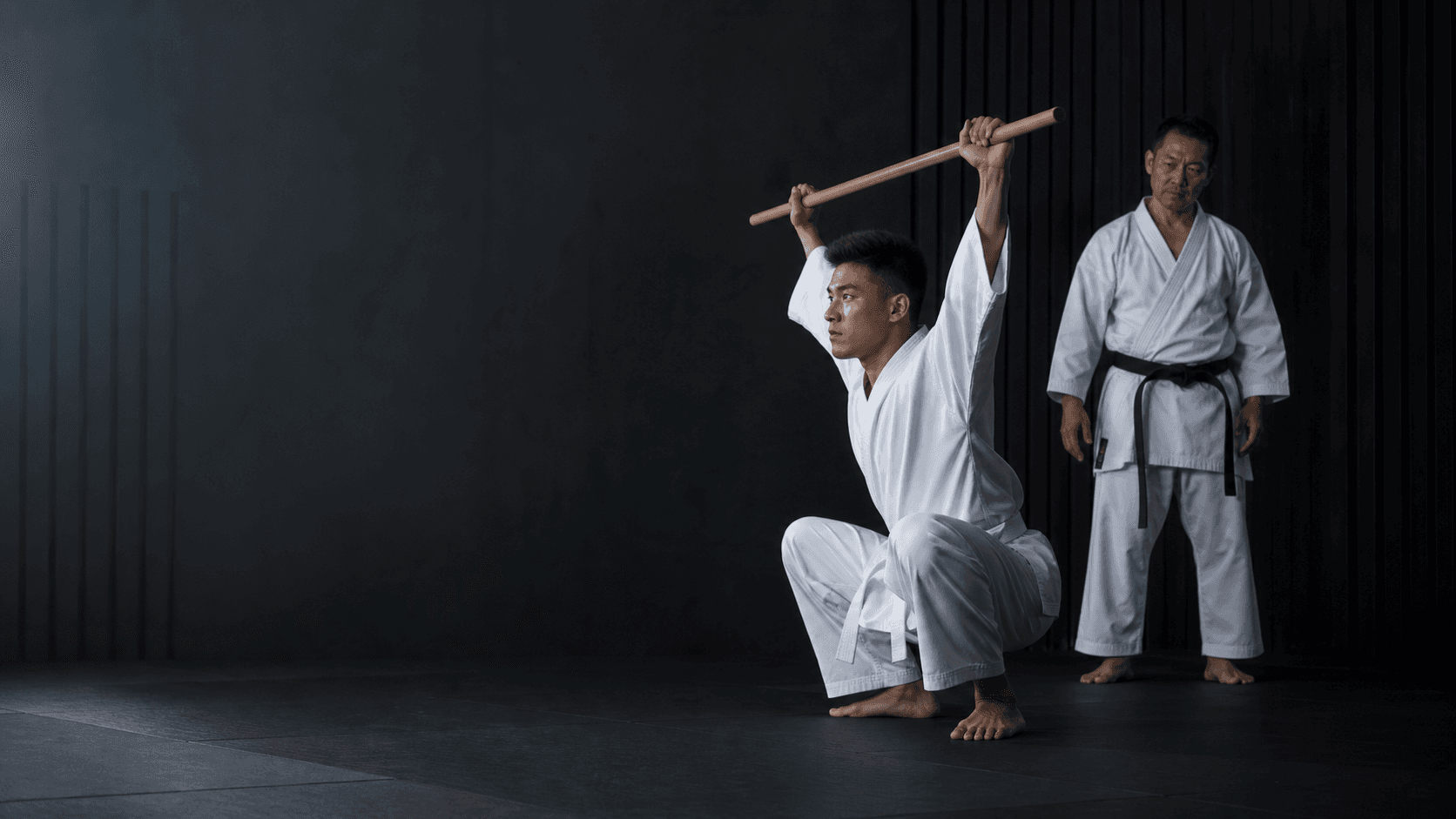
The core kit is small: a karate gi, a belt, and eventually basic sparring protection such as hand pads, shin guards and a mouthguard once a student begins light contact work. Most schools do not require any of this on day one — a first class is normally done in regular sports clothing, which is exactly how a trial class works here. Costs and specific gear requirements are best confirmed directly with the instructors rather than guessed at online, since they vary by program and by age group.
Why the Pace Varies So Much
Three things move the timeline more than anything else: how consistently someone attends, how old they were when they started, and how much they practice outside class. An adult who trains three times a week and reviews kata at home for ten minutes a day will typically progress faster than one who trains the same three sessions but never touches it in between. Age changes the picture differently for children, where physical and attentional development sets its own pace regardless of effort, and a good instructor will grade a seven-year-old against a seven-year-old's standard, not an adult's.
Warning Signs When You Compare Clubs
The timeline question is also a useful way to evaluate a school before you commit. A club that guarantees a black belt within a set number of months is telling you the grading is based on the calendar rather than on the technique, which devalues the belt for everyone holding it. Frequent paid gradings at short intervals are worth asking about too. So is a school that cannot clearly explain what a student must demonstrate for the next grade, or that will not let you watch a class before enrolling. None of these are automatically disqualifying, but each is a reasonable thing to ask a straight question about, and the quality of the answer tells you a lot.
What This Means If You're Deciding Whether to Start
If you are choosing a club based on how fast you will reach black belt, you are optimizing for the wrong thing. The students who get there fastest are almost always the ones who stopped counting and just kept showing up twice a week for a few years. The honest pitch is not a fast black belt. It is a training habit you can sustain long enough that the belt becomes inevitable, whether you start at seven or at fifty. It also helps to know that black belt is not an ending — in most systems it marks the point where a student is considered ready to begin learning properly, which is either encouraging or discouraging depending on the day.
The best way to find out how this actually feels, before committing to a grading timeline at all, is to try a class. Kartal Karate Academy offers a free trial class for exactly this reason — book yours at karatekartal.fit/en/register.