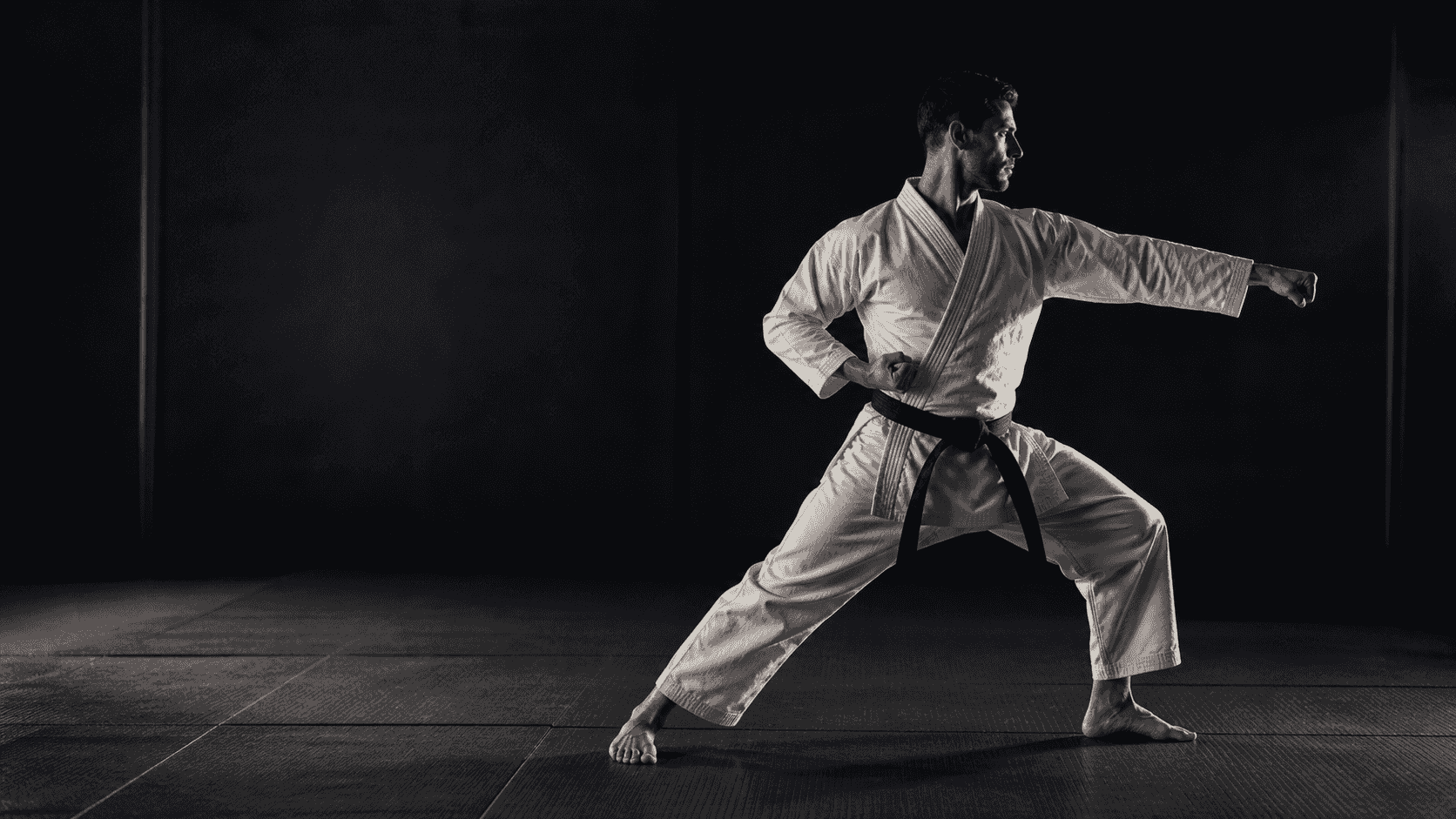
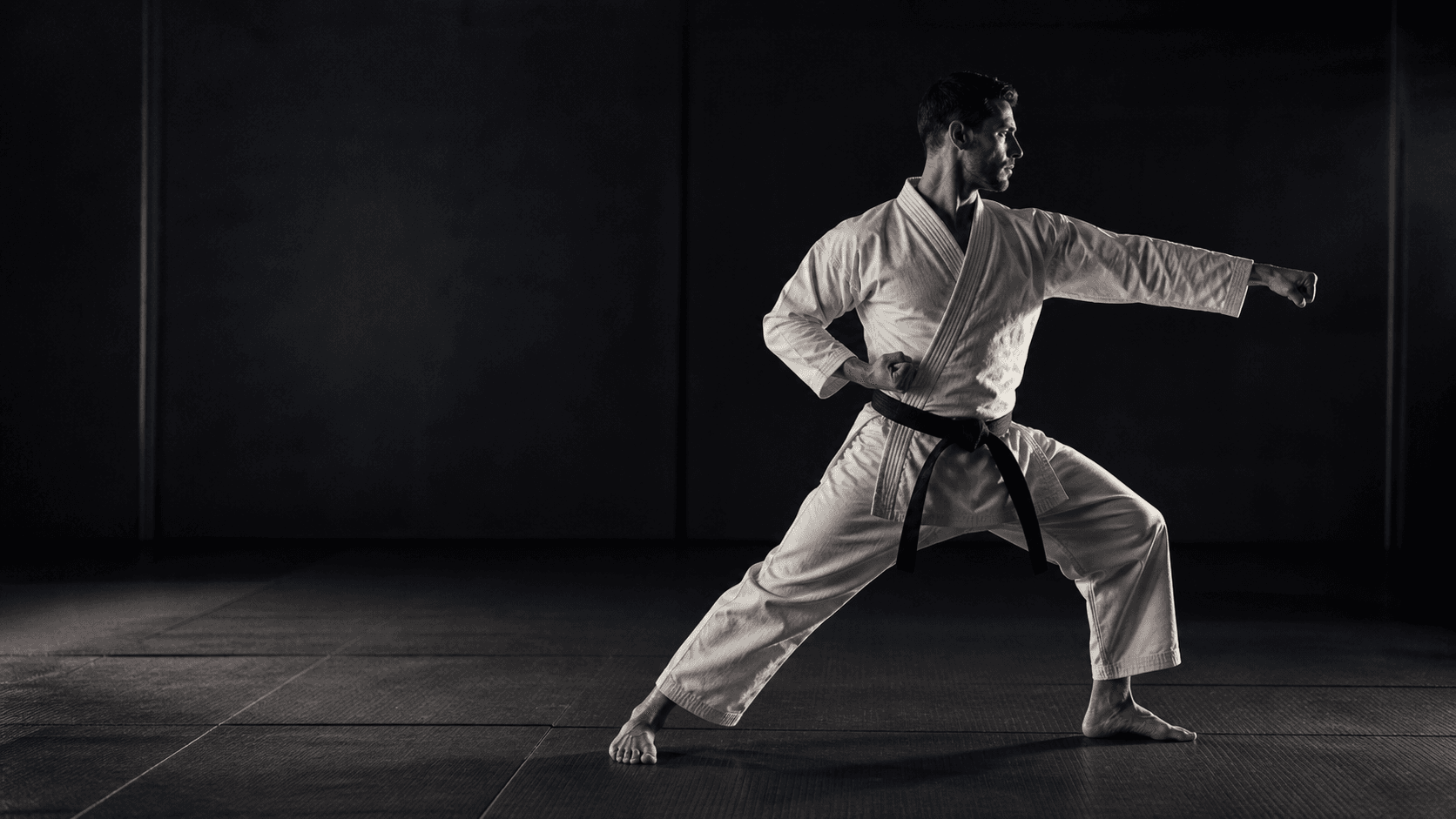
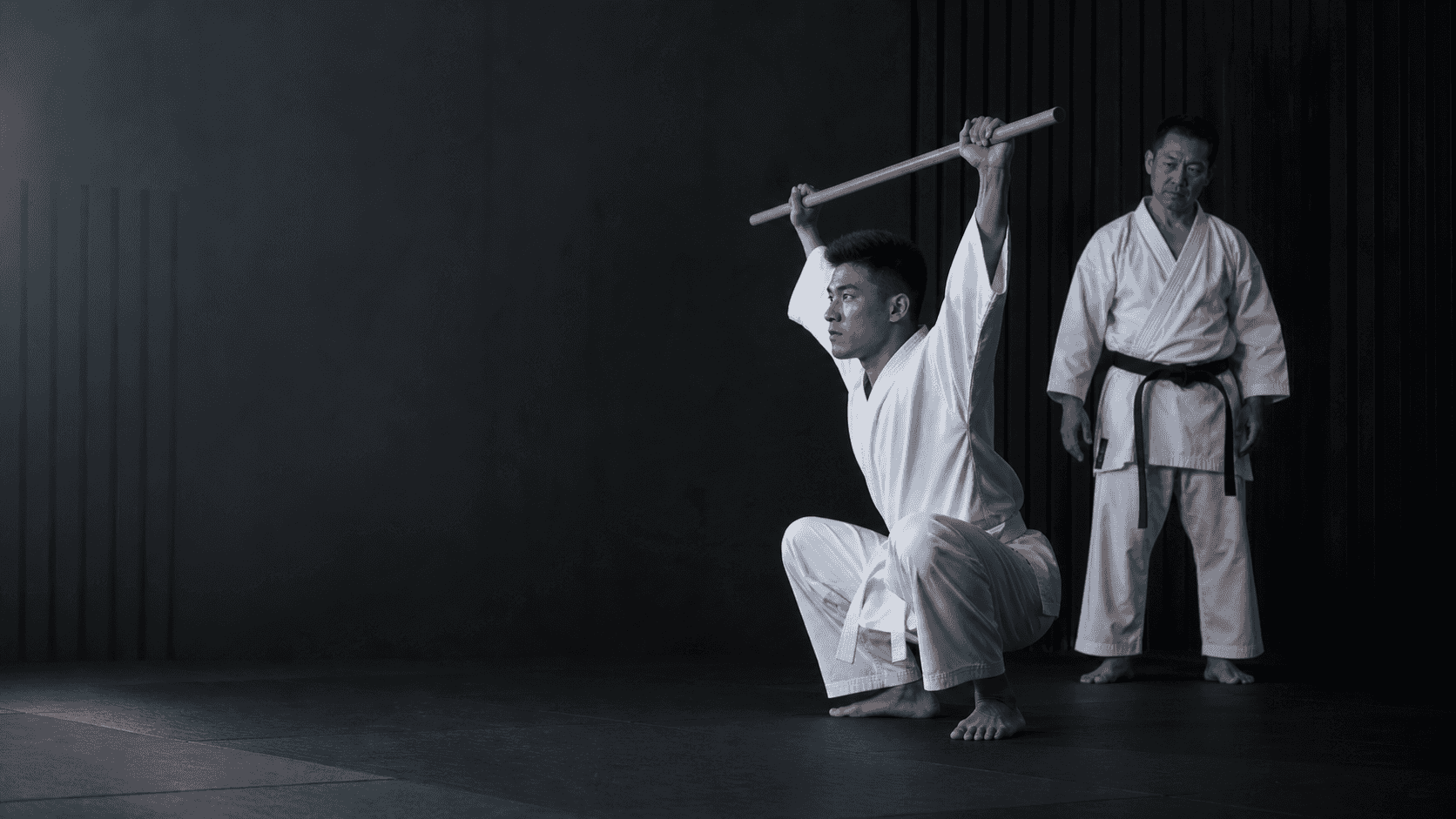
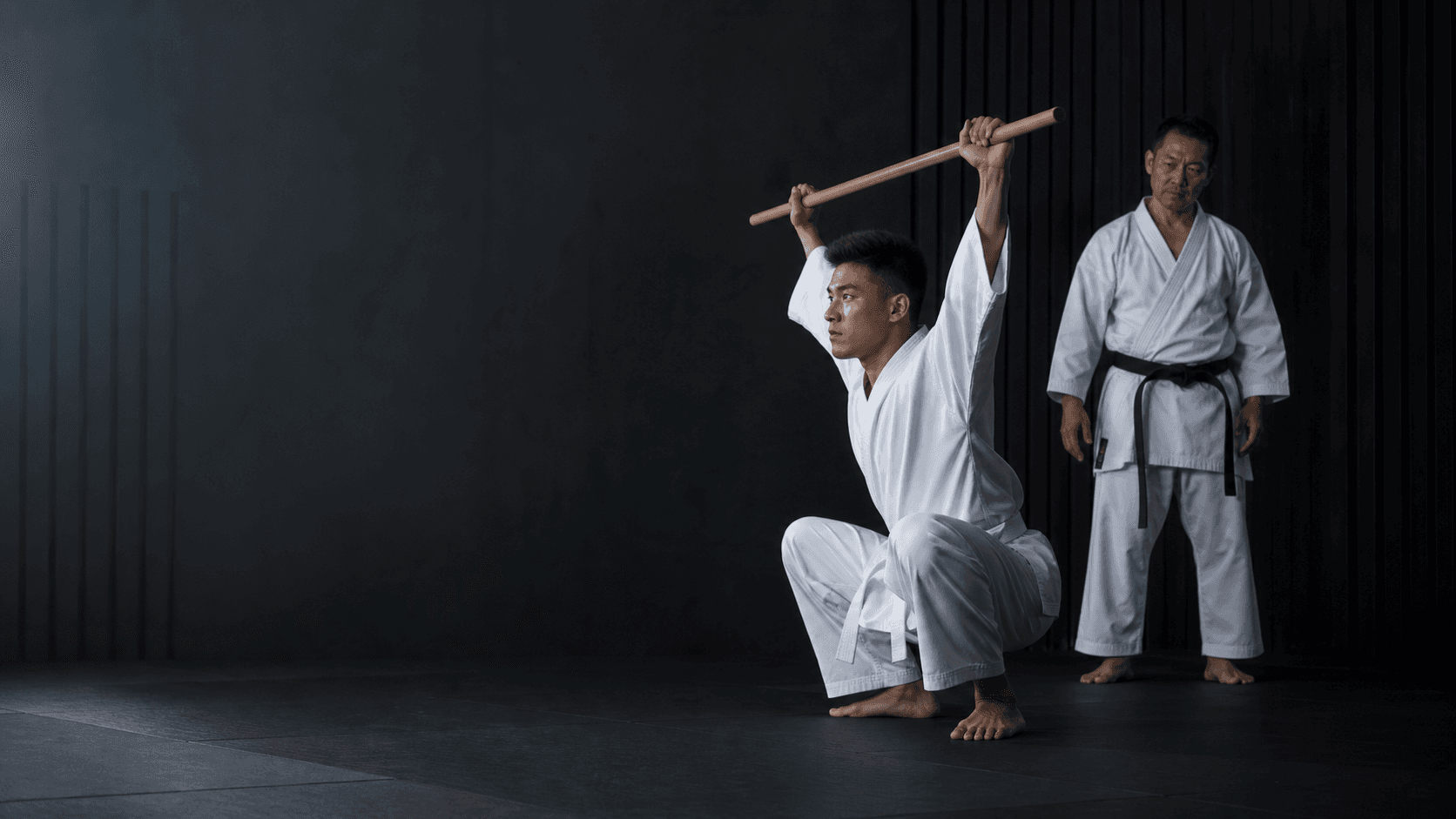
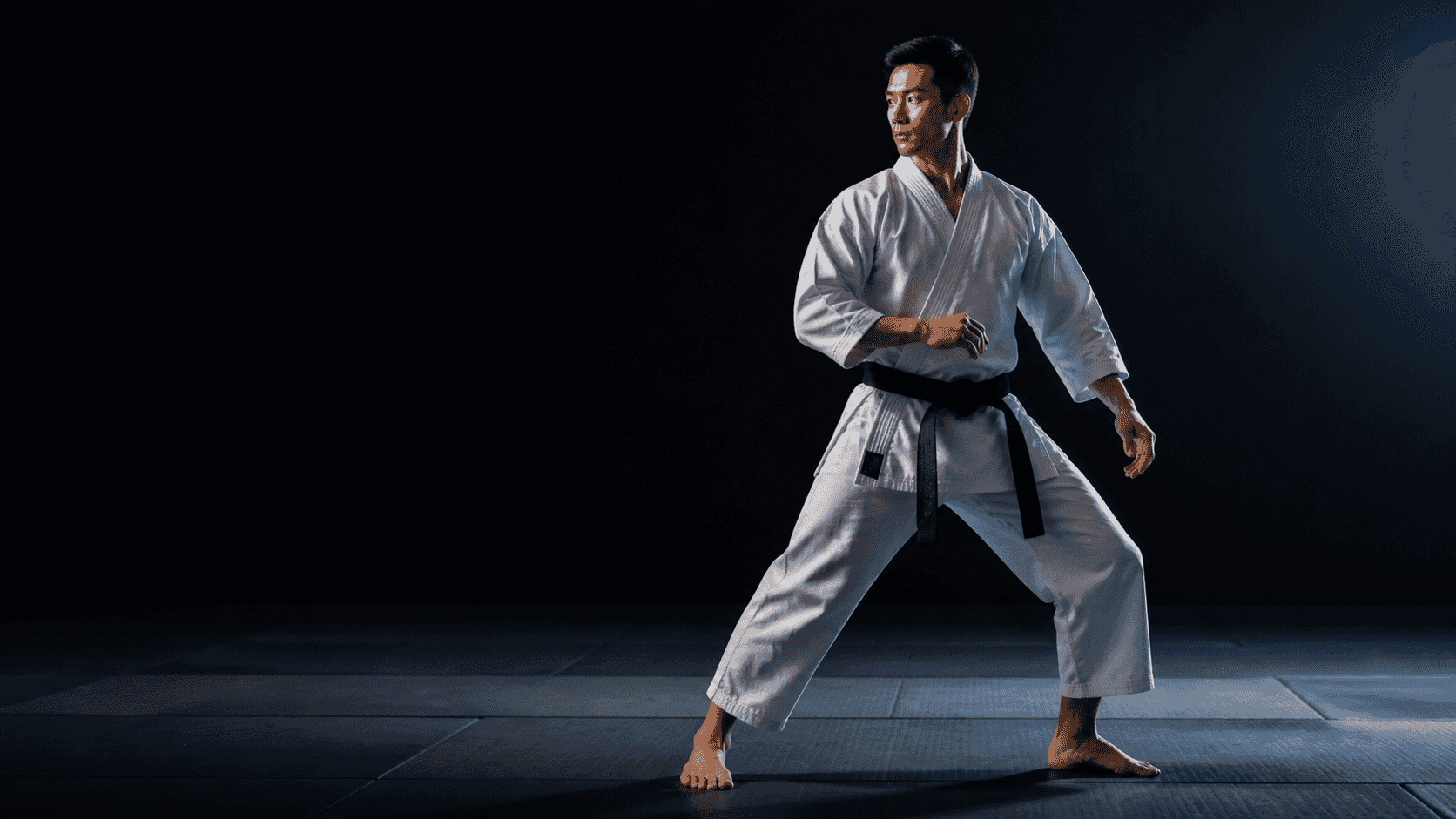
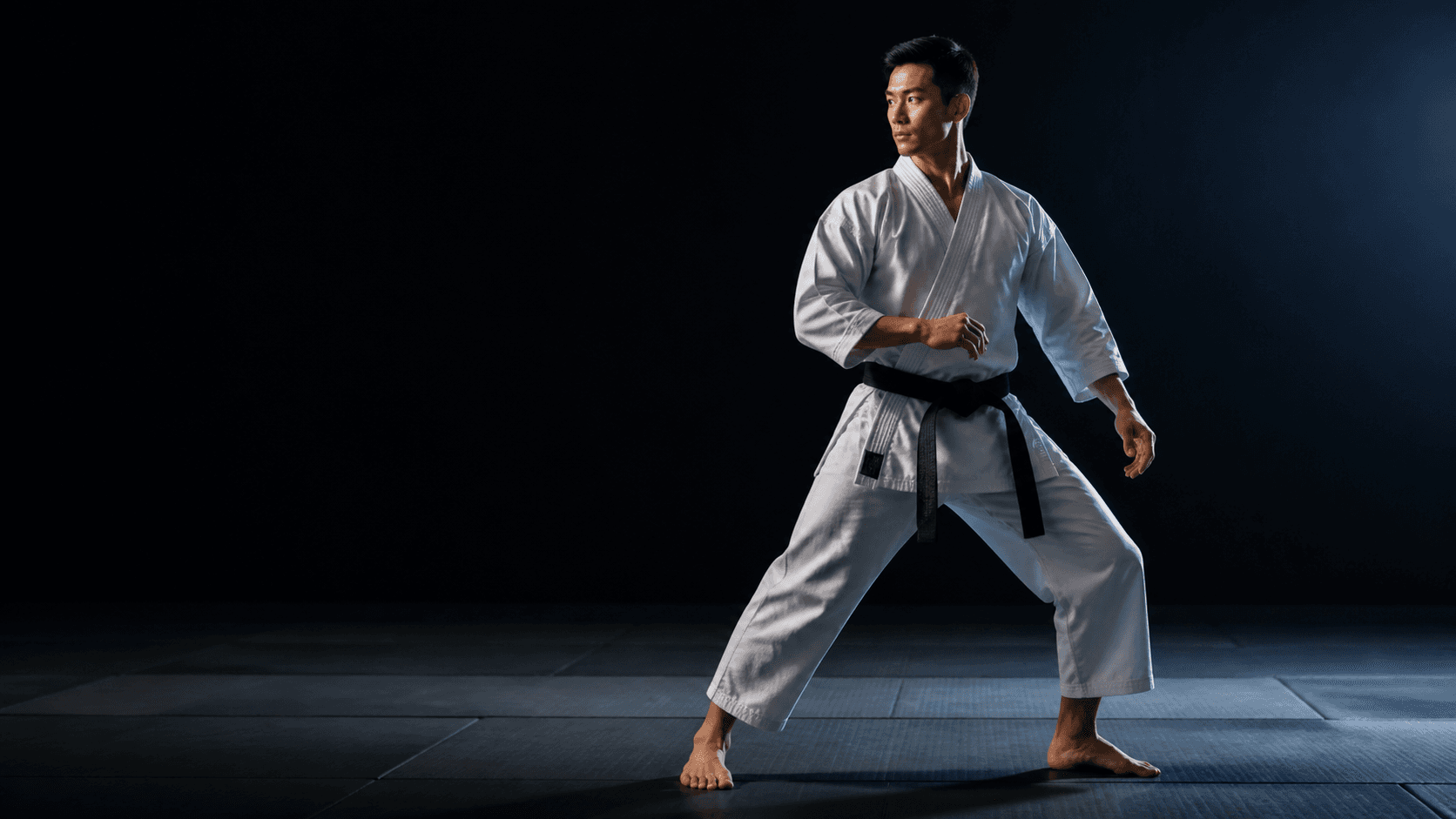
Timing beats speed: distance management in kumite
The faster karateka does not always win
Watch a decent kumite round and the same thing keeps happening. The athlete with the quicker hands loses points to the one who was simply not there, and then was. Speed is a real advantage, but it is applied to a decision made in space and time. In the wrong place at the wrong moment, being fast only means arriving at the wrong answer sooner.
Distance management and timing are the two halves of that decision, and unlike raw speed both keep improving long after an athlete's physical peak. That is why the older karateka in the dojo is still impossible to catch.
Distance is a relationship, not a measurement
The useful question is never how far away the opponent is. It is how many of your movements away they are, and how many of theirs you are. Those numbers are rarely the same, and every exchange is a negotiation over which of them the fight happens at.
There are three working distances and you should always know which one you are in.
- Outside range: neither of you arrives without a clear preparation step. Information is gathered here, and most of a round belongs here
- Your range: you reach with one committed movement, they need an extra step. Points are scored here, and it is occupied for a fraction of a second
- Their range: they reach you first. Only ever be here on purpose, while moving through it
Most people who complain of being too slow are not slow. They are standing in the opponent's range with a plan that requires their own.
You cannot react to a technique, only to its preparation
A committed attack from close range travels faster than a human being can perceive it, decide and respond. Simple reaction to a visual signal is measurably slower than the flight time of a punch at that distance, and choosing between responses is slower still. If you are waiting to see the technique you have already lost the exchange, and speed does not fix a deficit that sits in perception rather than movement.
Skilled fighters react instead to the loading that comes before a technique, and to changes in rhythm; that information arrives early enough to use.
What actually gives an attack away
- Weight settling onto the rear leg, or the rear heel loading and lifting
- A small drop or forward tilt at the shoulders just before an entry
- The lead hand tightening, drifting, or shortening its guard
- A step that arranges the feet for launching rather than for standing
Every karateka has a personal tell and most keep it for years, because nobody tells them. Yours is being read across the mat right now.
Rhythm is information you can manipulate
Two people facing each other fall into a shared rhythm of small steps and feints, and that rhythm predicts in both directions. Attack half a beat early and their preparation is caught between beats. Pause inside the rhythm and most people move on the missing beat, revealing their intention. Keep varying the size of your steps and they never get a stable estimate of how far away you are.
How timing is actually trained
Distance only rounds. Spar with no techniques at all. The objective is to stay exactly one step outside your partner's range while they try to close on you. Three rounds of this teach more about mesafe kontrolü than a month of ordinary sparring, because nothing else competes for attention.
Sleeve tag. Both partners try to touch the other's lead sleeve and withdraw. The only variables are entry, exit and distance, and it rewards leaving as much as arriving.
Move on the tell. Your partner attacks when they choose, from outside range. You may not defend the technique; you must move the moment you see the preparation. You will be late for a while, then suddenly you will not be, and that transition is the drill.
One technique rounds. Restrict yourself to a single scoring technique for a whole round. When you cannot vary what you throw, attention shifts to when you throw it.
Late round work. Put one of these drills at the end of the session, when you are tired. Distance judgement degrades with fatigue before technique does.
What to pay attention to next session
- Which of the three distances you spend most of your time in
- Whether you step back to the same distance every time, which makes you predictable
- Whether you are ever the one who sets the rhythm
- Whether you stay in range after scoring instead of leaving
The mistakes that cost the most points
Standing still to observe. Stillness feels like watching, but it hands the opponent a fixed target and a stable measurement of you. Retreating in a straight line does something similar: it keeps you in range longer than a step to the side would, and walks you towards the boundary.
Reaching. Covering with the technique a distance you did not close with your feet costs posture, balance and the return, and each of those is a counter waiting to happen.
Watching the hands. Hands lie and move first; the centre of the body does not, and peripheral vision reads the limbs well while your gaze stays in the middle.
Train your timing in Kartal
At Kartal Karate Academy, distance and timing are drilled as skills in their own right, not left to appear by accident during free sparring. Sessions are led by Sensei Behzad Yaghoubian and Sensei Homa Yaghoubian, both international karate champions, at Yakacık Spor Kulübü, Spor Cd. No:4, Cumhuriyet Mahallesi, 34876 Kartal, İstanbul, Monday to Saturday, 09:00 to 21:00.
Your first class is free. Come and find out how much of your kumite is speed and how much of it is distance. Register at karatekartal.fit/en/register or call +90 501 366 56 30.