What Your Body Actually Feels Like After Your First Karate Class
"Will I be able to walk tomorrow" is a fair question to ask before your first class, and most guides skip it entirely. Here is an honest, physical account of what actually happens to your body in the hours and days after a first karate lesson, so you can walk in prepared instead of surprised.
During the Class Itself
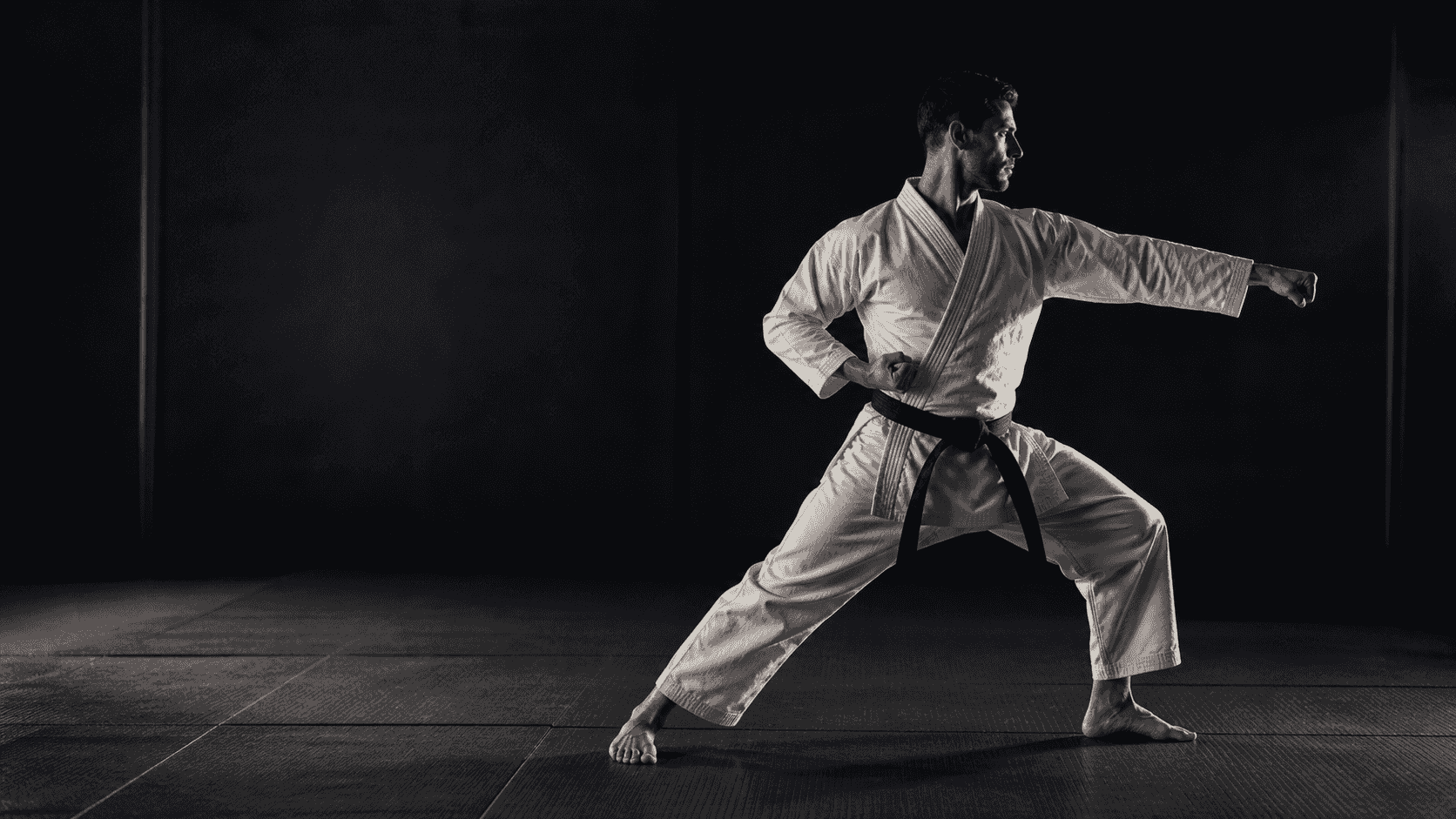
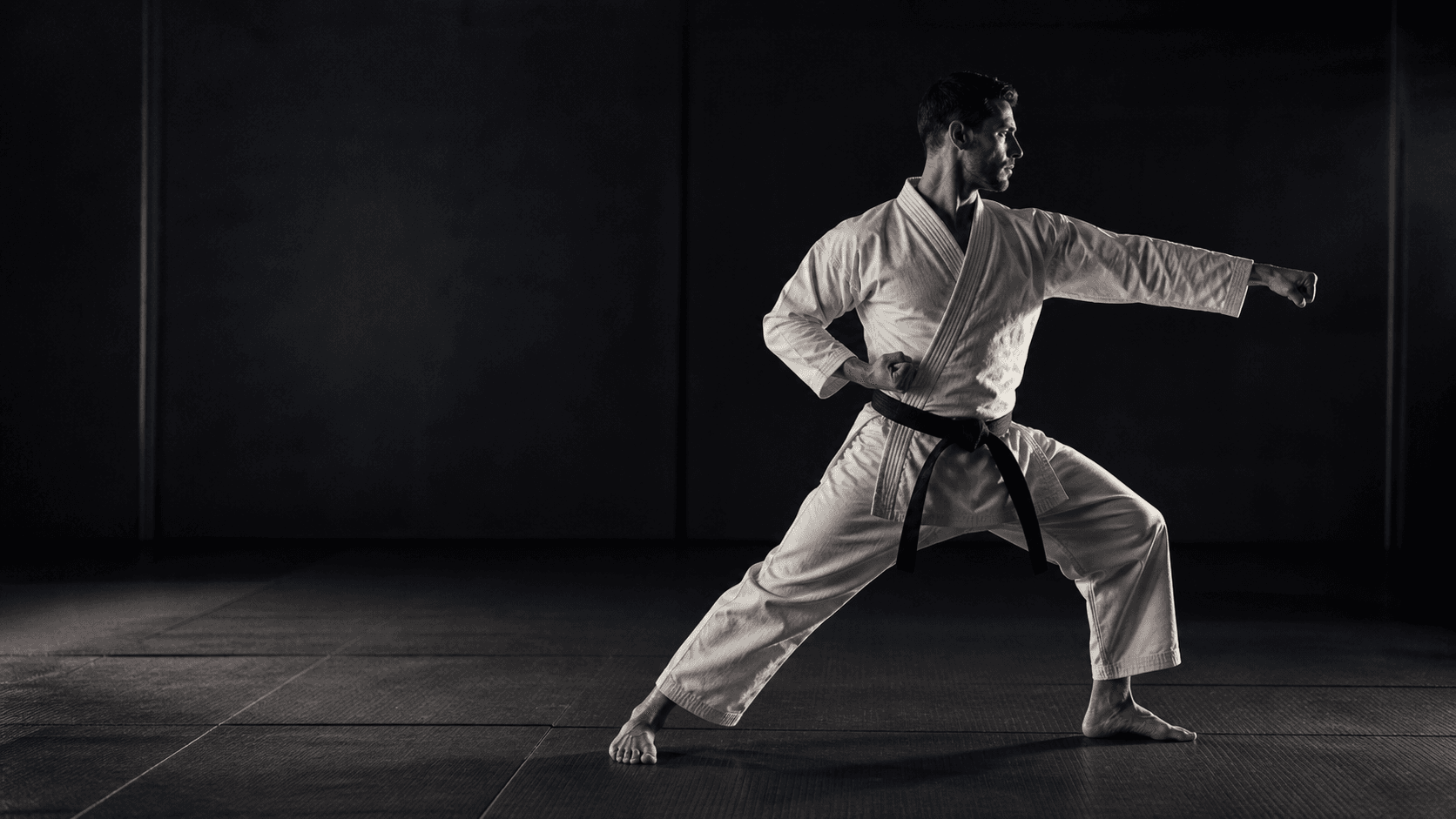
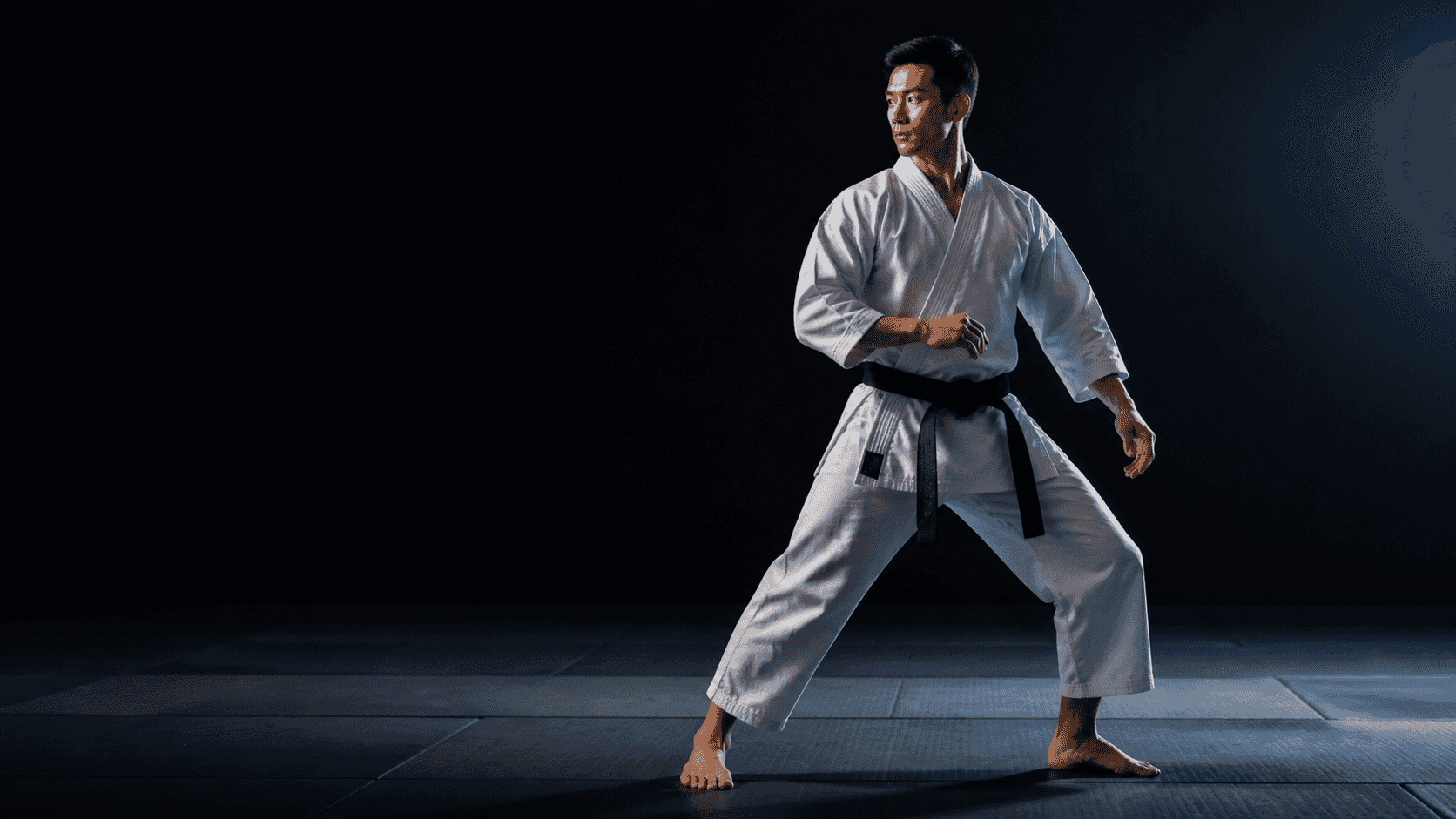
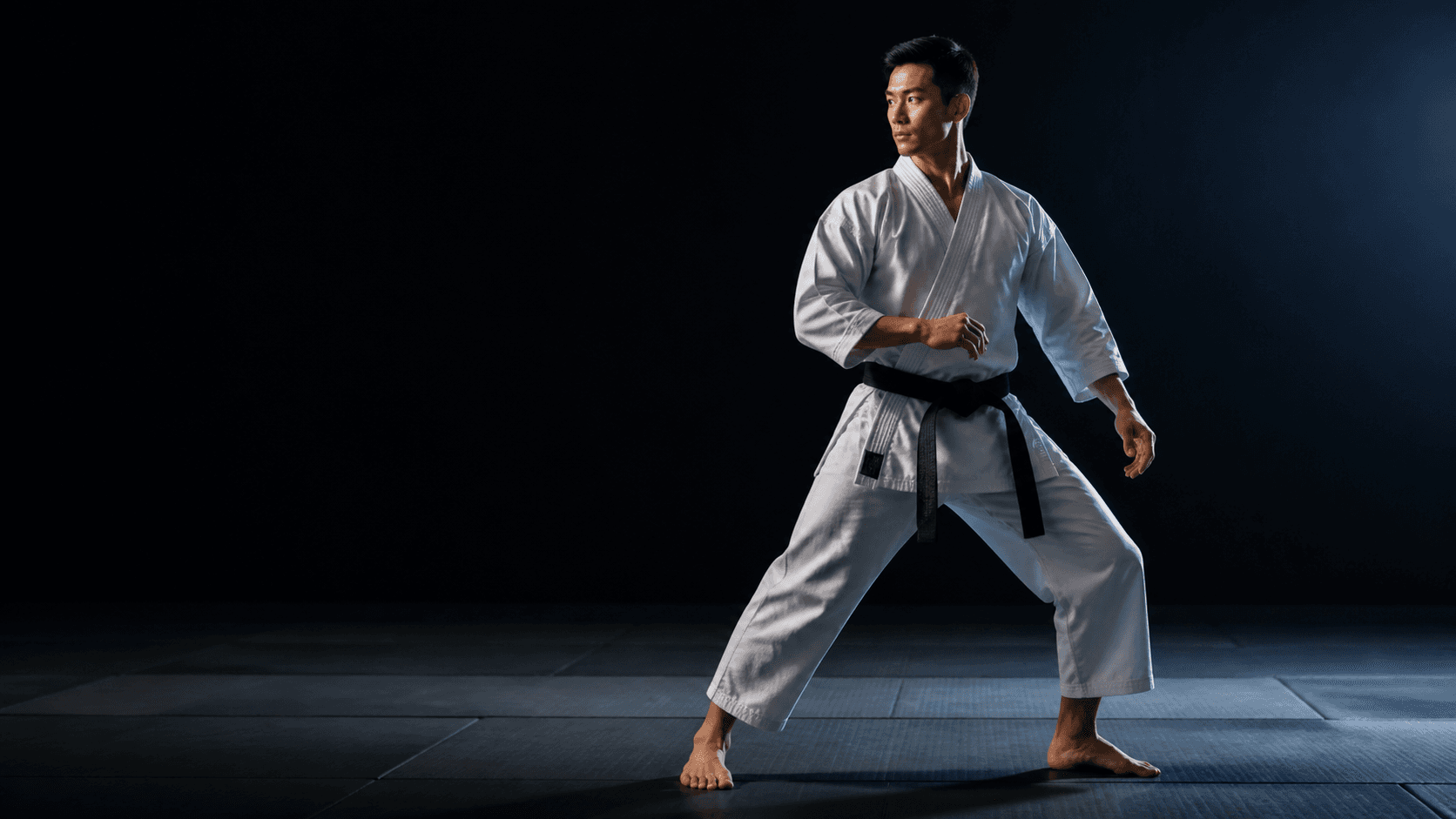
A first class works parts of your body that ordinary walking, sitting and even most gym routines rarely touch. Karate stances hold your hips and thighs at angles you are not used to loading. Pivoting on the ball of one foot works your ankles and the small stabiliser muscles around your knee. Blocking and punching repeatedly, even without much force behind them, tires your shoulders faster than most people expect. None of this means anything is wrong. It means muscles that normally do very little suddenly have a job.
The First Few Hours Afterward
Right after class most beginners feel more tired than sore, a mix of physical effort and the mental work of copying unfamiliar movements while an instructor calls out Japanese terms. That mental fatigue is real and it fades with familiarity; the second class asks for far less concentration than the first because your brain already recognises the shapes. Some people feel hungrier than usual that evening. A few feel oddly calm. Both are normal.
The Soreness That Shows Up a Day or Two Later
The ache that actually surprises people rarely arrives that night. It builds over the following day or two, a slow tightening in the thighs, shoulders and sometimes the ribs and lower back from all the turning. This delayed soreness is an ordinary response to new movement patterns, not a sign of damage, and it is stronger after a first class than it will ever be again. Anyone who trains twice in the first two weeks will tell you the second class hurt noticeably less than the first, even though it was harder.
Where it tends to show up:
- Front and outer thighs, from holding low stances longer than daily life ever requires
- Shoulders and upper arms, from repeated blocking and punching
- Calves and ankles, from pivoting and quick direction changes
- Obliques and lower back, from the turns built into almost every kata
- Forearms, if you grip and twist the fist correctly on each punch
What Makes It Worse, and What Actually Helps
Skipping a proper warm-up and going harder than your body is ready for both make the following days rougher than they need to be. So does treating soreness as a reason to sit completely still for a week. Gentle movement, walking, stretching and staying hydrated genuinely reduce the stiffness, while total rest tends to prolong it. The instinct to skip the next class because you are still sore is understandable and usually the wrong call. Light training on sore muscles loosens them faster than waiting does.
If You Are Not Currently in Great Shape
This part matters more than most people admit before starting. Soreness after a first class has almost nothing to do with your current fitness level. Fit adults who run or lift regularly are often just as sore as complete beginners, because karate loads the body in directions that running and lifting do not. Being unfit is not a barrier to starting; it just means pacing yourself honestly in the first few sessions rather than trying to keep up with someone who has trained for years. A class run properly adjusts to where you actually are, not where you think you should be.
When It Is Something Other Than Soreness
Ordinary muscle soreness is dull, symmetrical in the areas you worked, and eases with gentle movement. Sharp pain in a single joint, pain that gets worse rather than better after a day or two, or swelling anywhere is not normal soreness and is worth mentioning to your instructor before your next class. Telling Sensei Behzad or Sensei Homa about an old knee or shoulder injury before you start, not after it flares up, lets a class get adjusted for you from the first session rather than the fourth.
Curiosity about what your first class will feel like is a reasonable thing to want answered before you commit to anything. Kartal Karate Academy offers a free trial class at Yakacık Spor Kulübü precisely so you can find out firsthand, with no pressure to continue afterward. You can register at karatekartal.fit/en/register and see for yourself what the fuss over sore thighs is actually about.