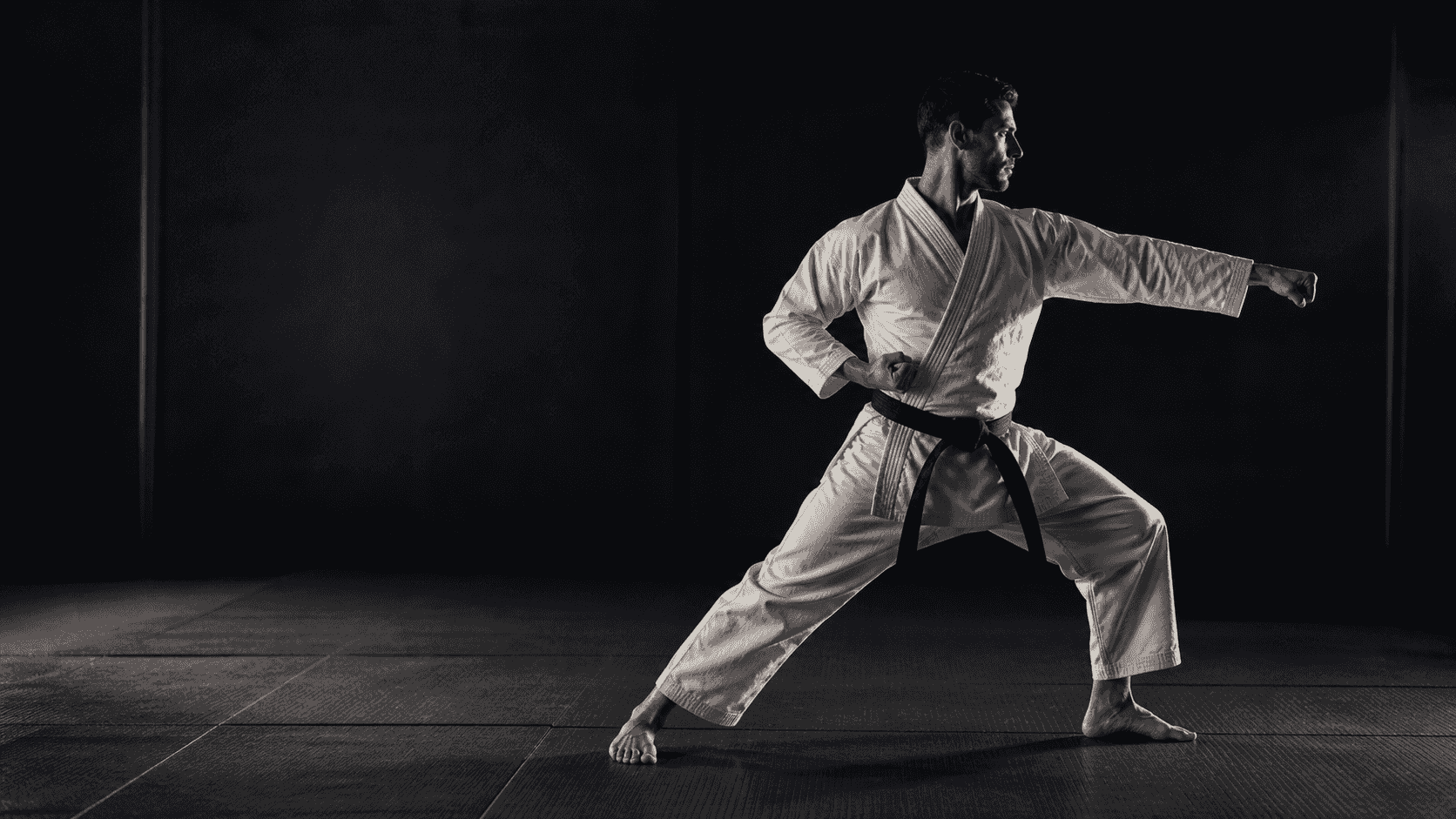
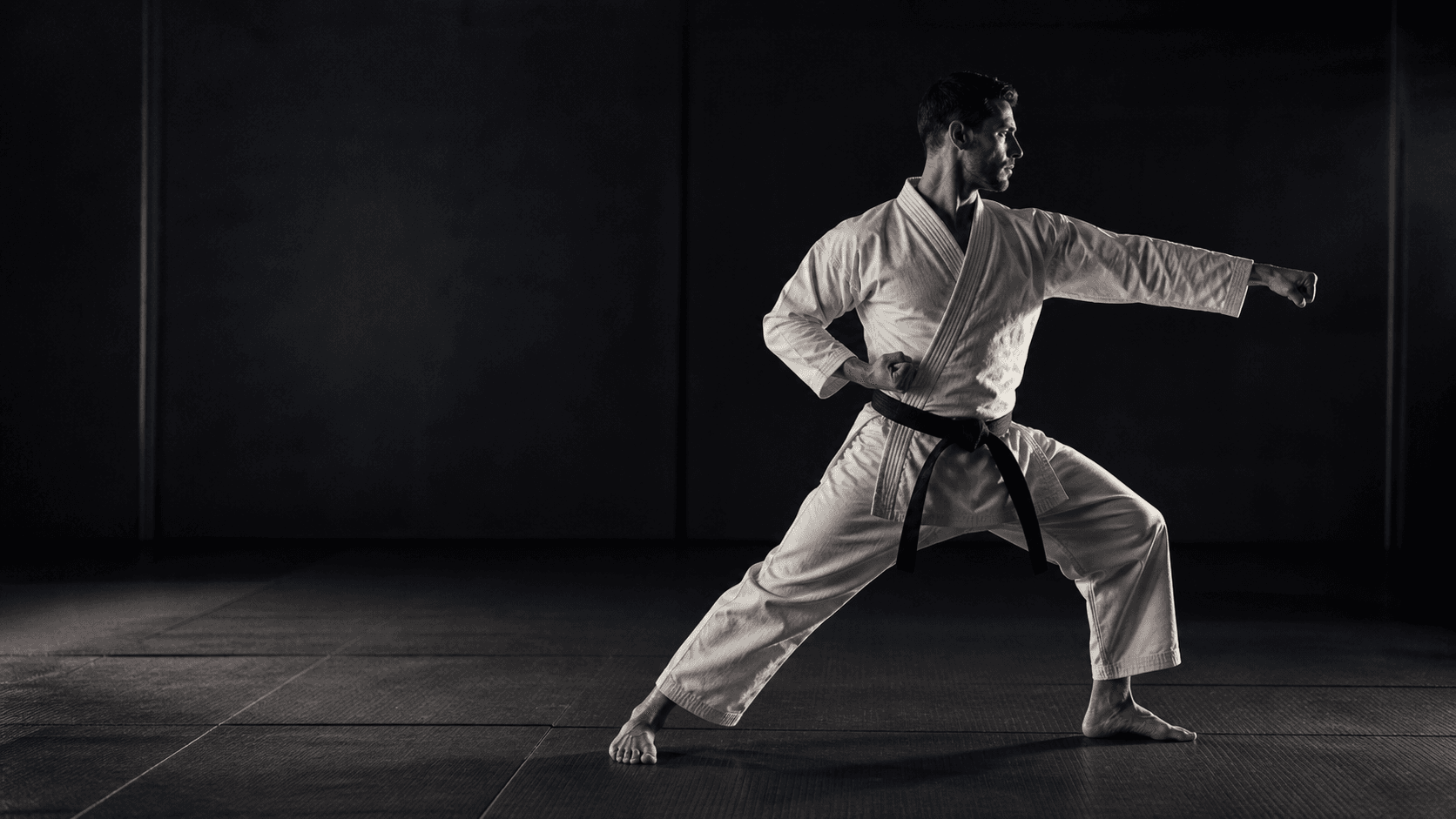
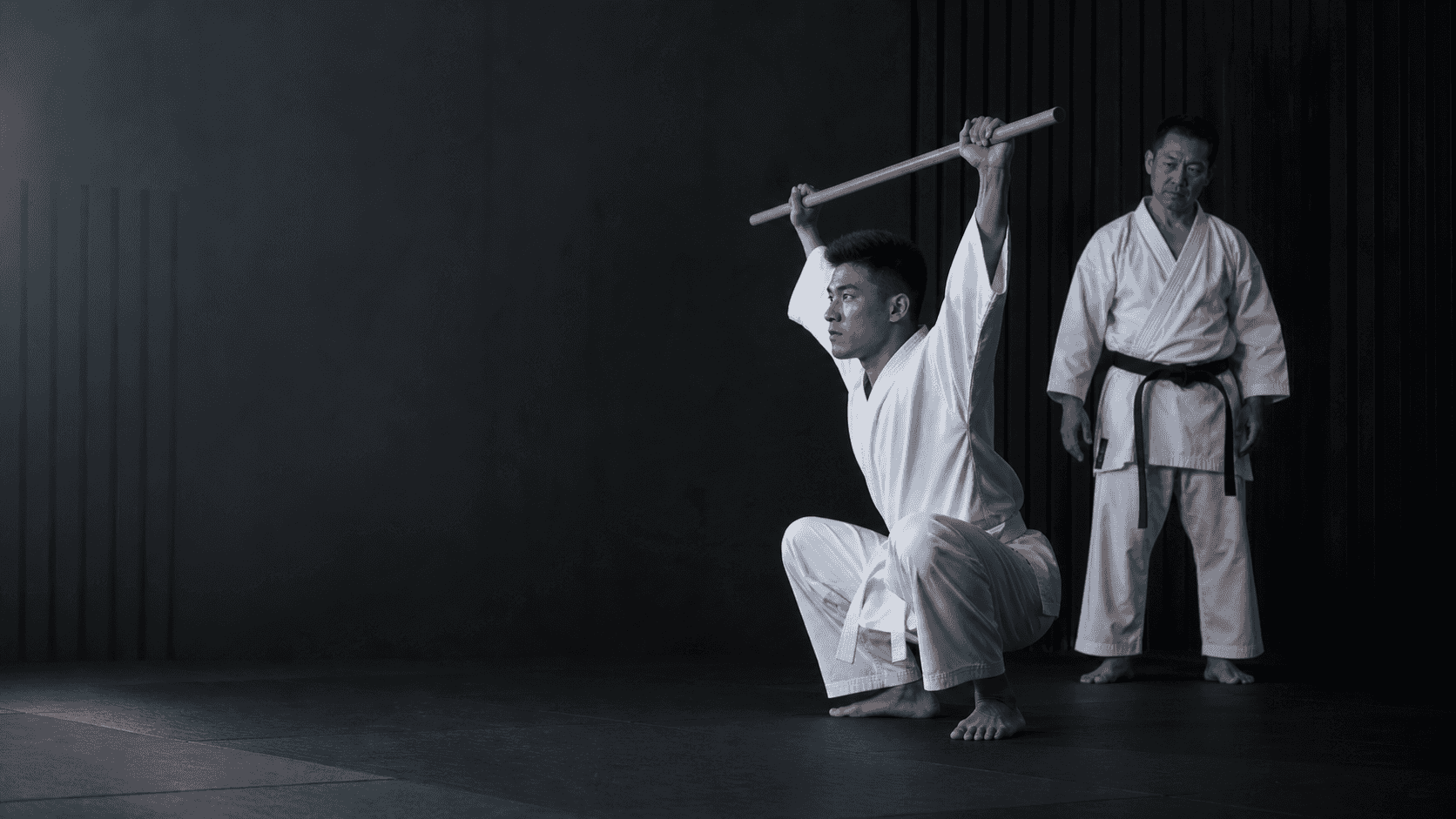
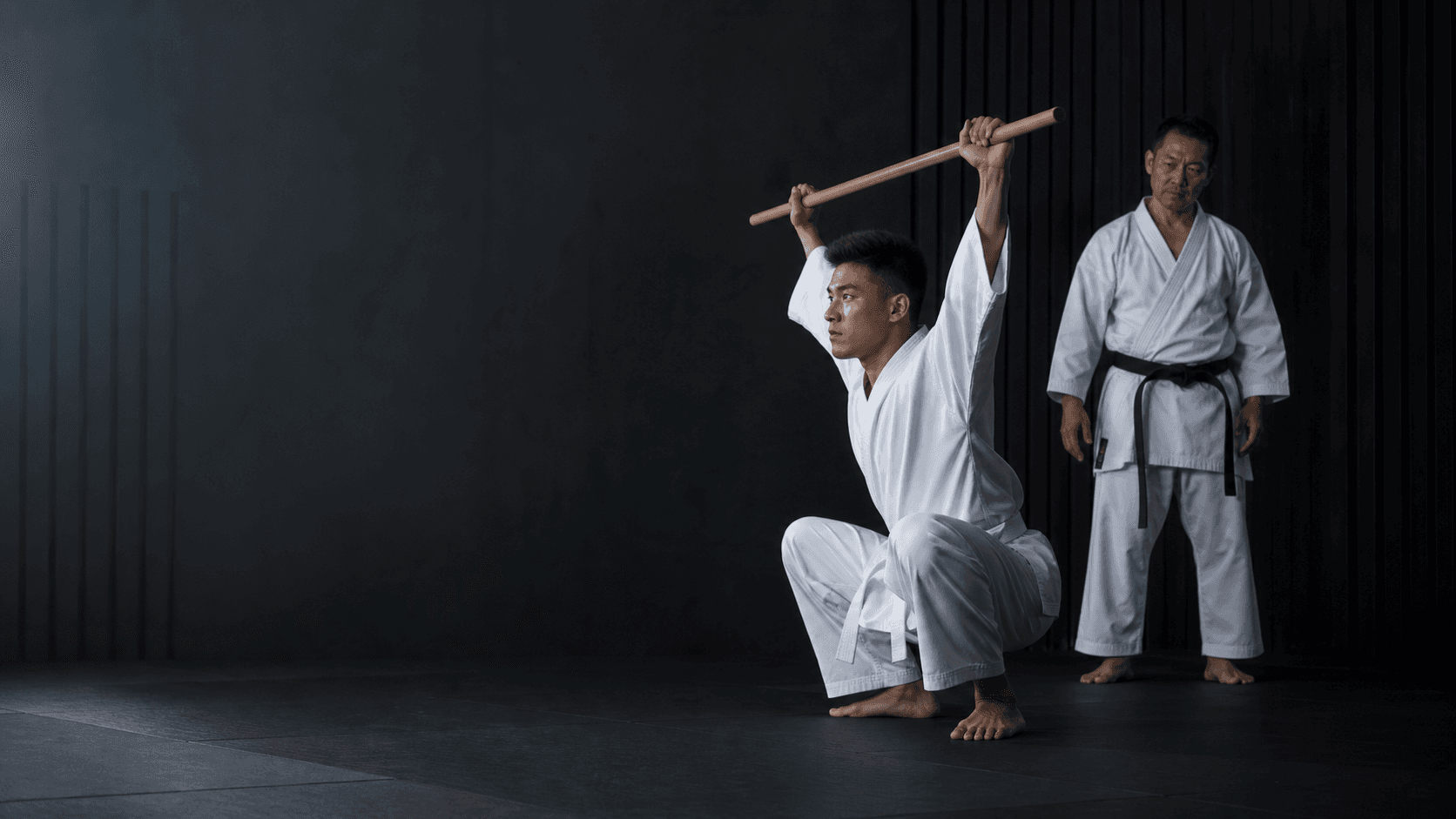
Building the Ideal Karate Physique: What Science Reveals About Kumite and Kata Champions


Building the Ideal Karate Physique: What Science Reveals About Kumite and Kata Champions
Compiled and Written by Behzad Yaghoubian
M.Sc. in Movement and Training Sciences, Marmara University
Have you ever wondered if there is a "perfect" body type for karate? Why do some athletes naturally excel in explosive fighting (Kumite), while others display mesmerizing balance and precision in forms (Kata)?
As coaches and athletes, we often rely on visual impressions. However, sports science gives us a clear roadmap. By studying elite karatekas worldwide, sports scientists have decoded the physical traits and fitness predictors that separate elite champions from average competitors.
Here is a simplified, practical breakdown of what science says about the ideal karate physique and how you can use this knowledge to optimize your training.
1. The Ideal Karate Body Type: Lean, Athletic, and Fast
Unlike heavy-contact martial arts like Judo or MMA, which often require greater body mass and higher fat reserves for grappling, karate demands lightness, explosive acceleration, and speed.
Scientific research highlights three core physical traits of top-tier karate athletes:
Low Body Fat (Under $12\%$): Extra body fat acts as dead weight. Keeping body fat low maximizes your power-to-weight ratio—meaning every kilogram of body weight contributes directly to movement speed and striking power.
High Muscle Mass (Lean Body Mass): Research shows that Lean Body Mass (your total body weight minus fat) is the single strongest physical predictor of peak punching and kicking power ($r = 0.77$). The more healthy muscle you carry within your weight category, the more force you can deliver.
The "Meso-Ectomorph" Shape: In simple terms, elite karatekas tend to be naturally athletic and muscular (mesomorphic), with a lean and slightly tall frame (ectomorphic). This combination offers both mechanical strength and speed.
2. Kumite vs. Kata: Two Distinct Physical Profiles
While both disciplines share the same roots, elite Kumite (combat) and Kata (form) competitors possess distinctly different physical profiles tailored to their specific tactical needs:
The Kumite Athlete: Tall, Explosive, and Long-Reaching
Reach Advantage: Kumite competitors are generally taller and have longer arm spans. A longer reach allows fighters to score from a safer distance.
Explosive Power: Kumite relies heavily on sudden, lightning-fast bursts. Elite fighters demonstrate superior $10\text{-meter}$ sprint speeds and explosive jumping ability.
Reflex Speed: Elite Kumite fighters react to visual cues in less than $380\text{ milliseconds}$ ($0.38\text{ seconds}$).
The Kata Athlete: Flexible, Balanced, and Grounded
Lower Center of Gravity: Kata practitioners are often slightly shorter, giving them a lower "centroid" (center of gravity). This structure provides exceptional stability in deep stances like Zenkutsu-dachi or Shiko-dachi.
Superior Flexibility: Kata athletes score significantly higher in flexibility ($6^\circ\text{ to }7^\circ$ higher joint range of motion than Kumite fighters), allowing for crisp, aesthetically flawless kicks.
Core Endurance: Holding rigid stances and transitioning smoothly demands high core endurance and postural control.
3. What Matters Most: Body Shape or Athletic Skill?
Here is the most encouraging finding from sports science: your genetic body shape is NOT your destiny.
While height and arm span offer natural advantages, studies show that physical fitness variables—specifically agility, explosive power, and reaction speed—are what truly distinguish elite athletes from sub-elite competitors. A well-conditioned athlete with great agility will almost always outperform a taller athlete who lacks speed and power.
4. Practical Takeaways for Athletes and Coaches
How can you apply these scientific insights to your daily workouts at the dojo?
Build Muscle Without Adding Fat: Focus on strength and conditioning routines that build functional muscle while keeping body fat low. This increases your striking power without forcing you into a higher weight class.
Choose Your Specialty Wisely: Use natural physical traits to guide discipline selection. Taller, explosive athletes often thrive in Kumite, while athletes with exceptional flexibility, core stability, and balance are natural fits for Kata.
Prioritize Agility and Explosive Drills: Incorporate plyometrics (explosive jumping drills), reaction-time games, and short interval sprints into your weekly routine.
Maintain Long-Term Joint Health: Kata practitioners should pay special attention to lower-back and hip mobility routines to offset the strain of prolonged deep stances.
Conclusion
Whether you are stepping onto the tatami at Yakacık Spor Kulübü in Istanbul or preparing for an international championship, understanding your body profile is the first step toward unlocking your full potential. Train smart, fuel your body with clean nutrition, and build your athleticism on a solid scientific foundation!
About the Author
Behzad Yaghoubian holds a Master of Science ($M.Sc.$) in Movement and Training Sciences from Marmara University (Istanbul, Turkey). With over $30$ years of experience as a $1\text{st}$ Class Karate Coach and Class-A Official Referee, he specializes in integrating movement analysis, sports nutrition, and exercise science to help athletes optimize performance and prevent injuries.