Karate vs the Gym: What Training Actually Feels Like for Lifters and Runners
You Already Train. Why Would You Add Karate?
If you already lift three times a week, or you run ten kilometres on Sunday mornings, karate is not an obvious next step. You have a routine, you can see it working, and a class in a gi with people bowing to each other might look like a step sideways rather than forward. This is for the adult in Kartal, Yakacık, Maltepe or Pendik who already trains and is wondering whether karate deserves a slot in an already-full week.
What Lifting Gives You That Karate Does Not
Strength training is the most efficient way to build raw force and muscle mass that exists. A progressive lifting program, tracked over months, produces measurable numbers: heavier bars, more reps, visible change. Karate will not replace that. A karate class does not load a barbell, and nobody is tracking your one-rep max on the mat. If your goal is specifically to get stronger by a measurable amount, keep lifting and treat karate as an addition, not a substitute.
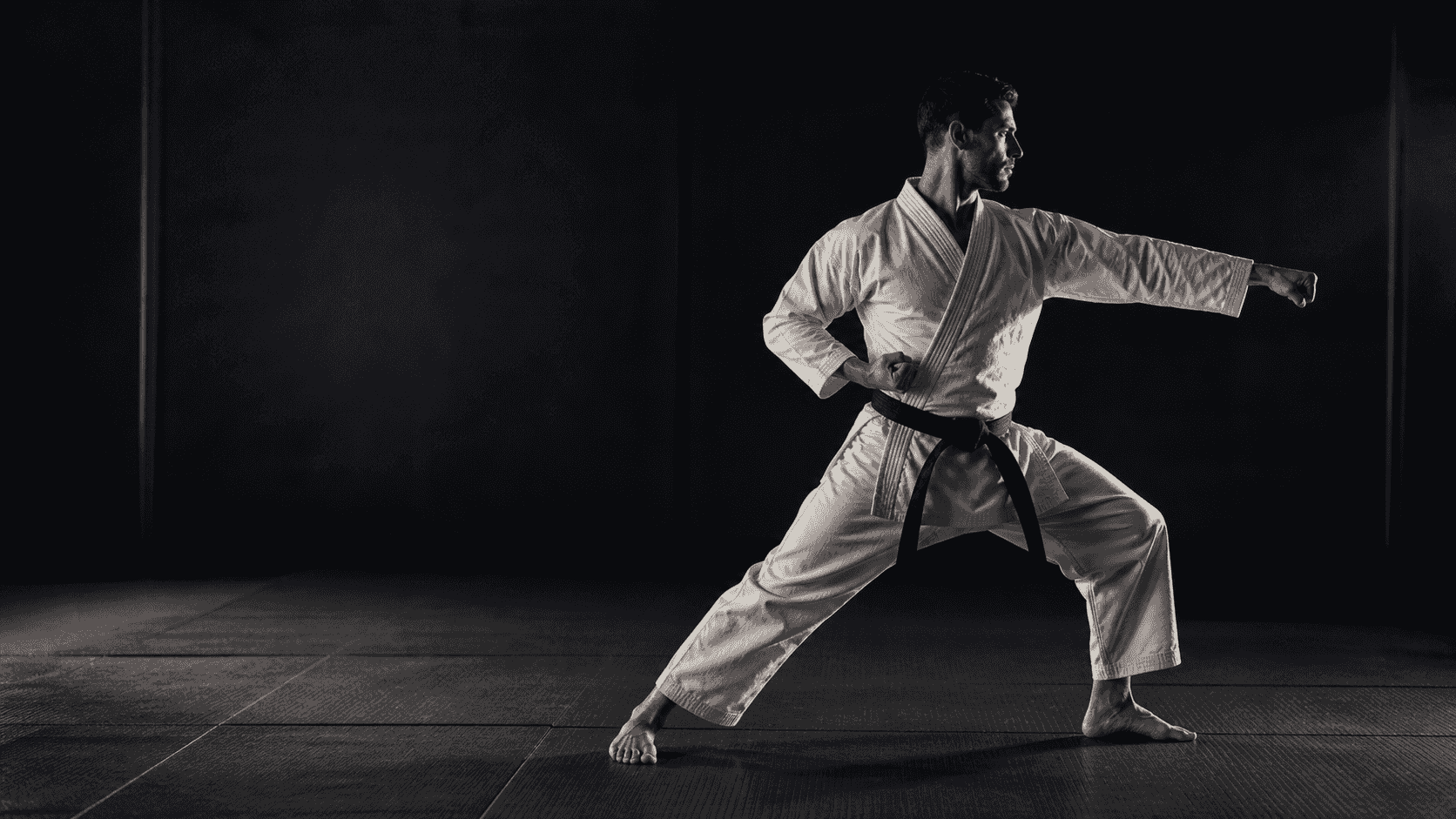
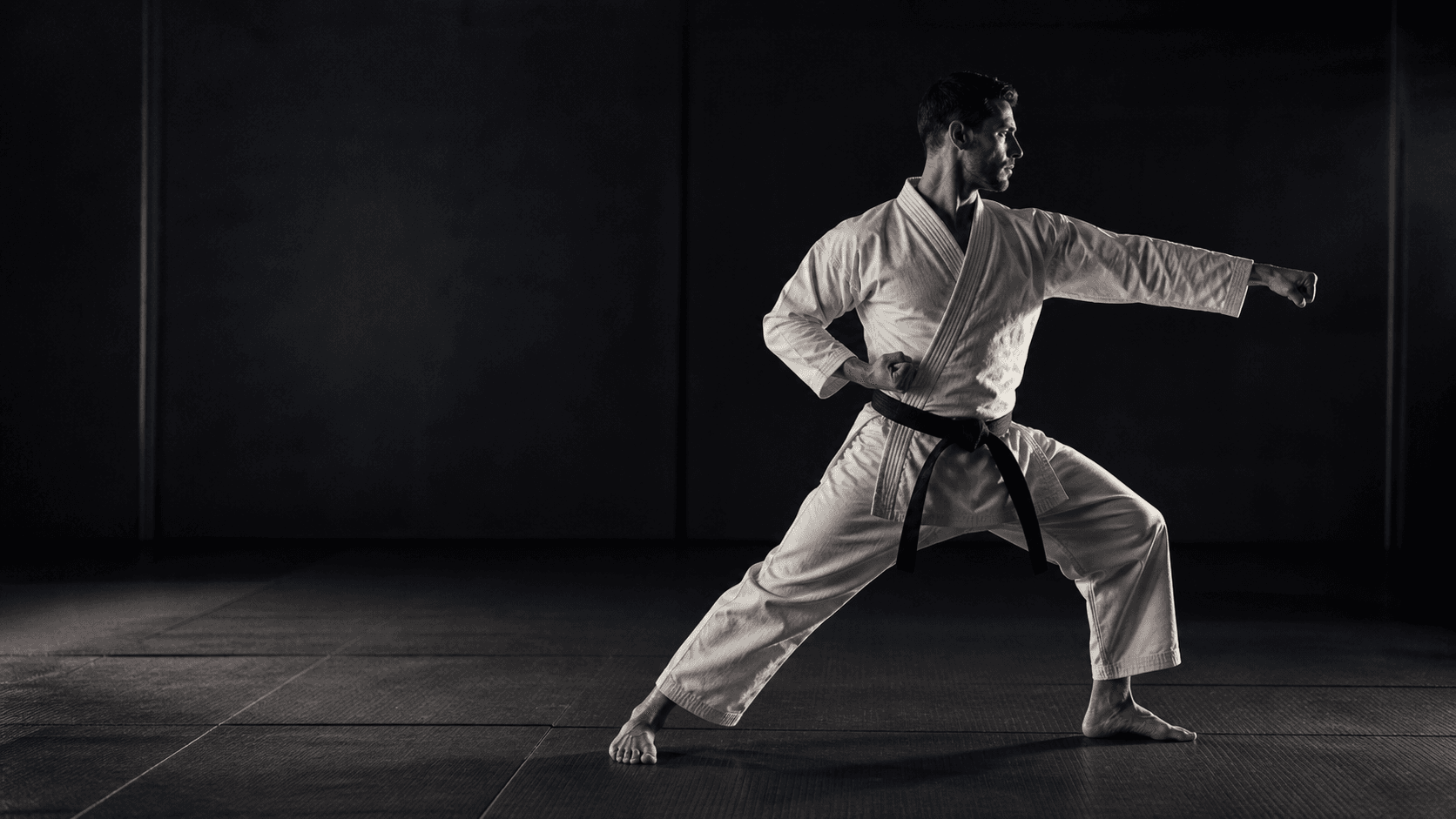
What karate adds instead is force applied through a moving, rotating body rather than a fixed bar path. A gym teaches your muscles to produce power in a straight line, usually while your feet are planted. Karate asks the same muscles to produce power while you are stepping, turning your hips, and reacting to a partner who is not standing still. Lifters who try karate for the first time are often stronger than everyone else in the room and still get outmanoeuvred by a smaller, less muscular training partner, because raw strength and the ability to time and direct that strength are different skills.
What Running Gives You That Karate Does Not
Distance running builds an aerobic engine that karate, on its own, will not match. A ten-kilometre runner has cardiovascular endurance a typical hour-long karate class does not specifically train, because karate work is interval by nature: short bursts of intense effort with brief recoveries, repeated across a class, not one long steady effort. If your Sunday run is the thing you actually love, karate is not a replacement for it either.
What karate trains that distance running does not is short, explosive output under fatigue, paired with decision-making. A kumite exchange lasts a few seconds and demands full commitment, then you reset and it happens again. That is a completely different physical skill from pacing yourself over an hour, and most dedicated runners notice within a few classes that their legs are strong but their reaction speed and hip mobility need real work.
The Honest Middle Ground
Neither of these is a criticism of karate. It is simply not a gym replacement, and pretending otherwise would set up anyone who signs up expecting it to build the same kind of strength or endurance for disappointment in the first month. What karate offers that a gym session and a training run genuinely do not is applied coordination: the ability to move your whole body as one connected unit, under time pressure, against a partner whose next move you cannot fully predict. Nothing on a gym floor recreates that, and it is a real gap for anyone whose training is currently all bar path and pavement.
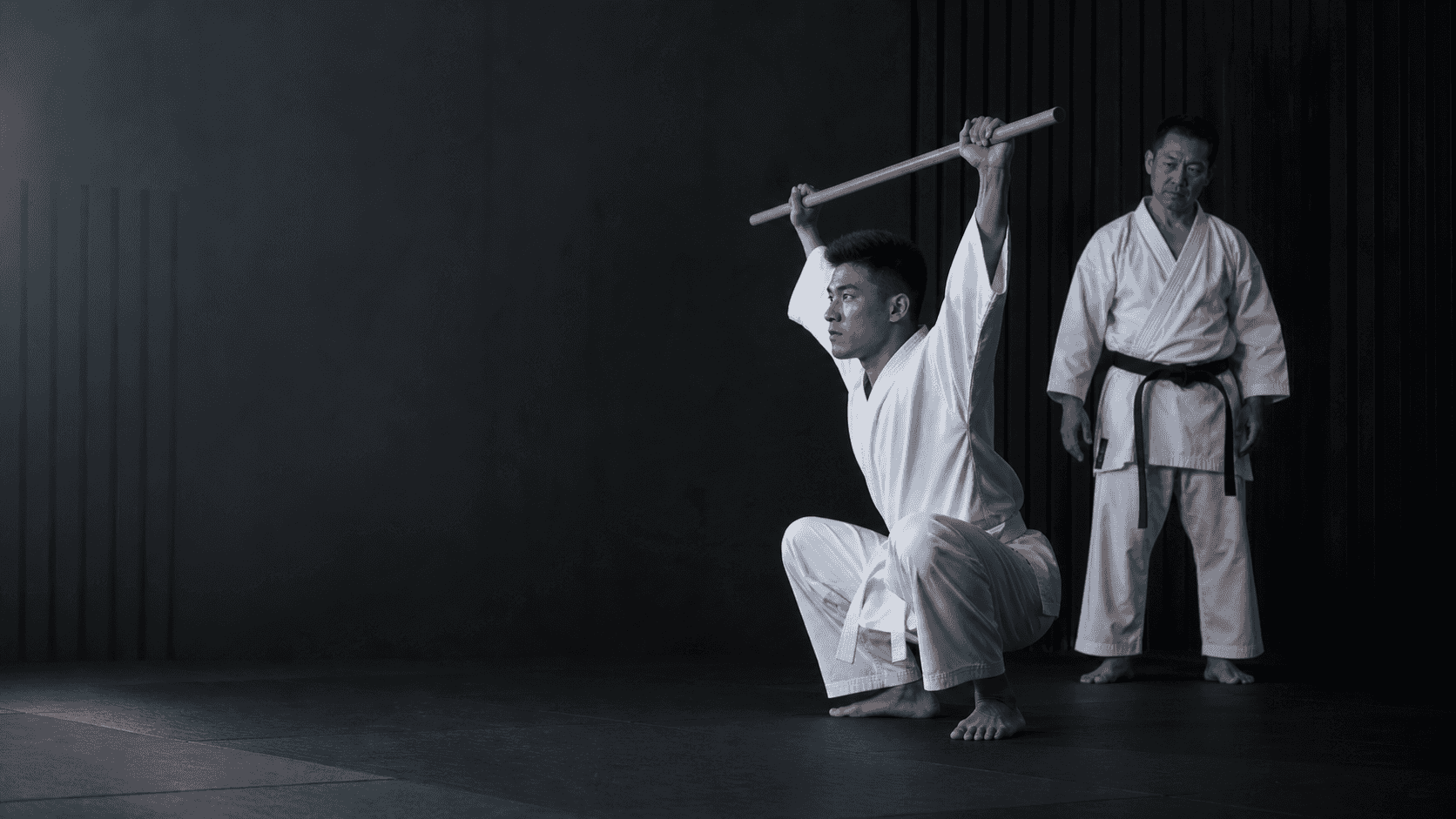
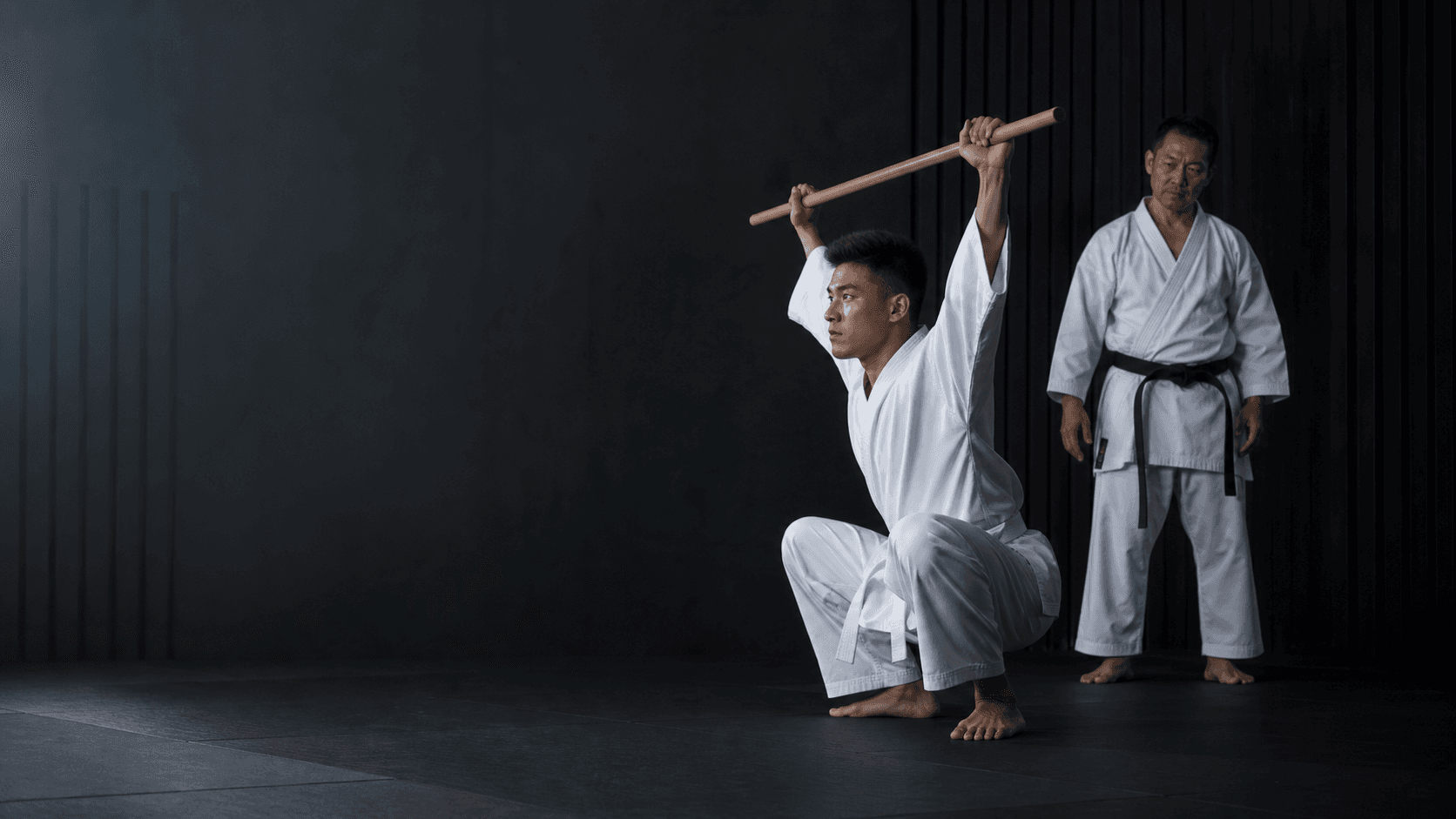
There is also the social and mental side. A gym session and a solo run are usually just you. A karate class is you, a partner, a sensei correcting your stance in real time, and a room of people at different levels working toward the same grading. Adults who have trained alone for years sometimes find this is the part that actually keeps them coming back, more than any specific physical adaptation.
Does It Fit Into an Already Full Week?
Two karate classes a week is enough to feel real progress without crowding out your existing lifting or running schedule. Many adults training at Kartal Karate Academy keep their existing gym days and simply add karate on the evenings that were previously free, treating it as cross-training for coordination and reaction speed rather than a replacement for either strength work or cardio. If your week genuinely has no room, one class a week is still enough to learn the fundamentals properly, even if progress toward a grading will be slower.
What you should not do is drop your strength training for karate expecting it to maintain your numbers, or drop your running expecting karate to maintain your aerobic base. Karate does something different from both, which is exactly why it is worth trying, not despite the difference but because of it.
Trying It Without Committing to Anything
Kartal Karate Academy offers a free trial class, so you can see for yourself what your body does with movement it has never specifically trained, before deciding whether it earns a place in your week. Register at karatekartal.fit/en/register or call +90 501 366 56 30 to arrange a time that works around your existing training schedule.