Growing Bones, Changing Technique: What Growth Plates Mean for a Young Karateka's Kicks
A child's growth plates are the softest point in a still-forming skeleton, and that changes how kicking technique should be paced. What growth plates are, why growth spurts matter, and coaching adjustments that keep effort high.
Adult bone and a growing child's bone are not the same material doing the same job. Near the ends of a child's long bones sit growth plates, bands of cartilage that have not yet turned into solid bone, and they are where height comes from. They are also, mechanically, the weakest point in a young skeleton, weaker than the tendons and ligaments around them. That single fact changes how kicking technique should be coached for a ten or twelve year old, not because children are fragile, but because the load in their body is distributed differently than it is in an adult's.
What a Growth Plate Actually Is
A growth plate sits at the end of bones like the femur, tibia and the bones of the foot, and it is the zone where new bone is laid down as a child grows. Cartilage is more pliable than bone but also more vulnerable to repeated shear and compression forces. In an adult, a joint under sudden stress will usually strain a tendon or ligament first, because those structures are now the softer material. In a child, the growth plate is frequently the softer material, which shifts where stress concentrates during a hard kick, a deep stance, or a fall.
Where This Shows Up in Karate Technique
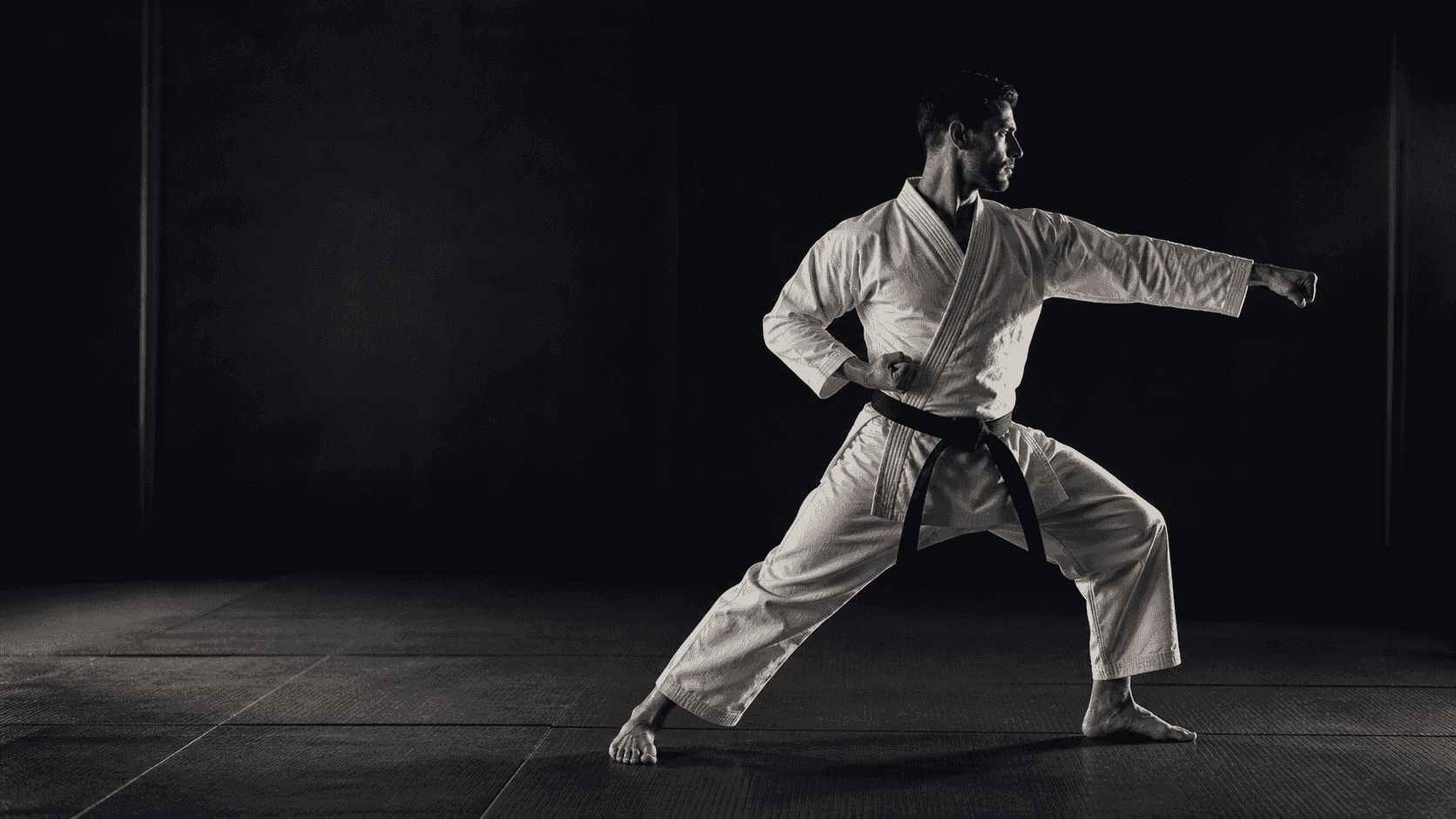
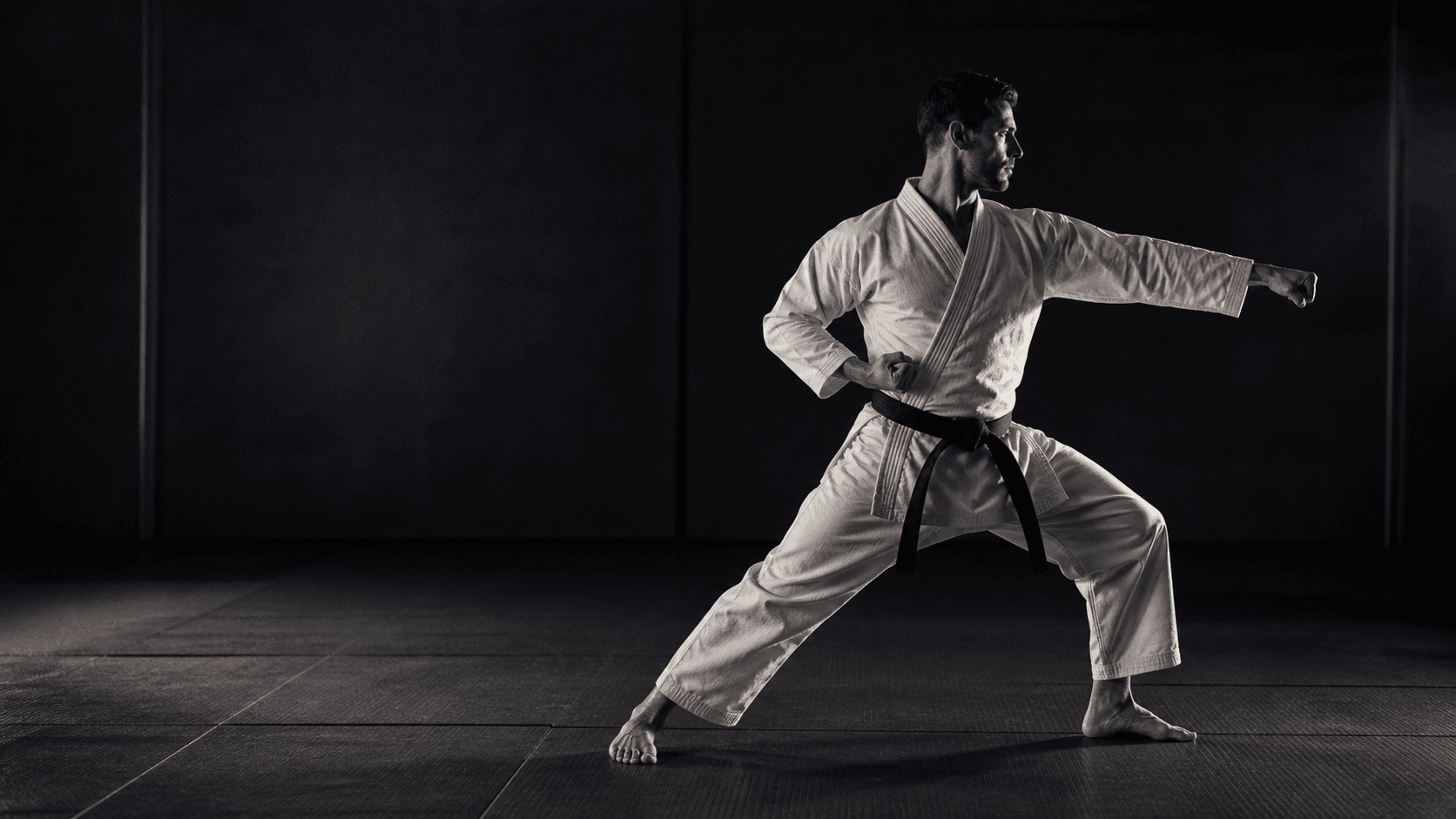
Kicking is the clearest example. A roundhouse or front kick thrown at full force asks the hip, knee and ankle to accelerate a limb and then, through kime, decelerate it fast. In an adult that deceleration is absorbed mostly by muscle and tendon. In a growing child, especially one going through a growth spurt where bones are lengthening faster than the surrounding muscle is strengthening, a share of that load reaches the growth plate itself. This is not a reason to avoid kicking. It is a reason to build kicking volume and force gradually rather than asking a young student to kick at adult intensity because they can copy adult form.
Deep stances carry a similar consideration at the knee and ankle. A stance that is technically correct for an adult's proportions and tendon strength can load a child's joint differently, because the lever arms are the same relative length but the tissue tolerating the load is not yet as strong.
The Growth Spurt Window
The period of fastest bone lengthening, typically somewhere in the early-to-mid teen years and varying a great deal between individuals, is when this mismatch between bone growth and muscle strength is largest. Coordination often gets temporarily clumsier in this window too, for a related reason: limb length is changing faster than the nervous system has calibrated for. This is a normal, temporary phase, not a sign a student is regressing, and it is exactly the period where technique load should be adjusted rather than pushed through.
What Changes in Coaching, Not in Effort
None of this means lowering expectations for a young karateka's effort or attention. It means adjusting the mechanical demand while keeping the standard for technique high.
- Build kicking power in stages across a training block rather than asking for maximum force on every repetition, so the growth plate is exposed to load gradually
- Prioritize correct alignment of the knee over the foot in stances and kicks over raw depth or height, since misalignment concentrates force at one edge of the joint rather than spreading it
- Treat any localized ache at the front of the knee or the growth plate area that worsens with training, rather than general muscular tiredness, as a signal to scale back, mention it to a coach or parent, and see a doctor if it persists
- Keep variety in training rather than repeating the same maximal kick hundreds of times in a single session, since varied loading spreads stress across more tissue than repetitive identical loading
What This Is Not
This is not a reason to keep a growing child out of kicking technique, and it is not the same issue as the appetite and fuelling changes that come with a growth spurt. It is a specific, mechanical fact about where load concentrates in a still-forming skeleton, and coaching around it is a normal part of long-term athlete development, not a red flag.
Kartal Karate Academy structures children's classes with this kind of age-appropriate progression built in from the start. A free trial class is available if you want to see how technique is paced for your child's age and stage, and you can register at karatekartal.fit/en/register.