Karate With an Old Injury or a Bad Knee: What Actually Changes
Every week, a handful of people who want to try karate stop themselves before they start. Not out of nerves about looking foolish, but because of something quieter: a knee that clicks on stairs, a shoulder that never quite recovered from an old fall, a lower back that flares up if you sit wrong for too long. For a lot of adults curious about karate, this is the real reason they haven't signed up. It's a fair question, and it deserves a straight answer rather than a marketing one.
The short answer
Most people training karate at any given time are managing something — a bad knee, a fused vertebra, a shoulder that dislocates if it's pushed the wrong way, arthritis that gets worse in winter. Karate is not a sport reserved for uninjured bodies. But "you can probably still train" is not the same as "nothing changes." Something does change, and knowing what before your first class is more useful than a vague reassurance.
What actually changes about how you train
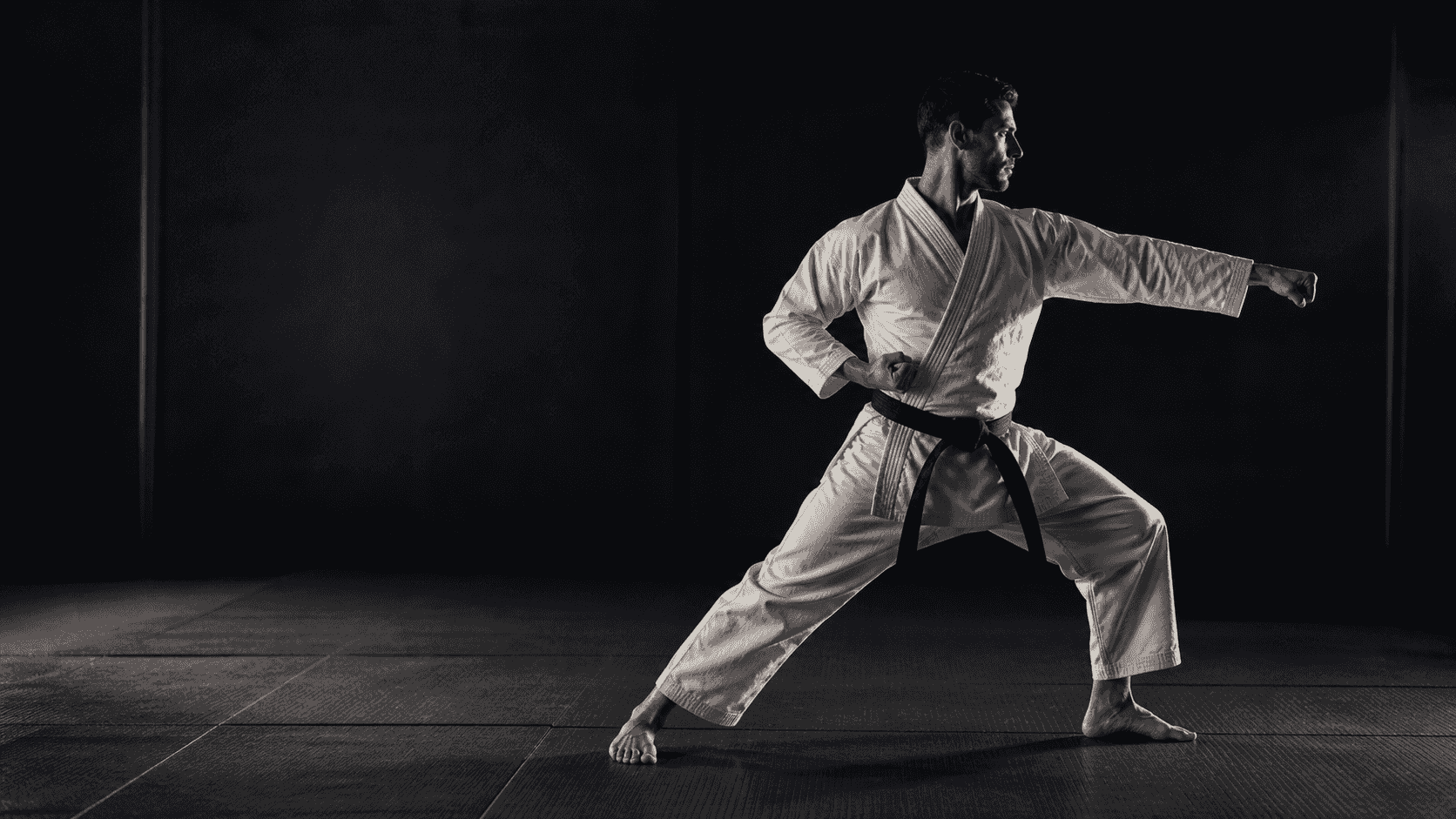
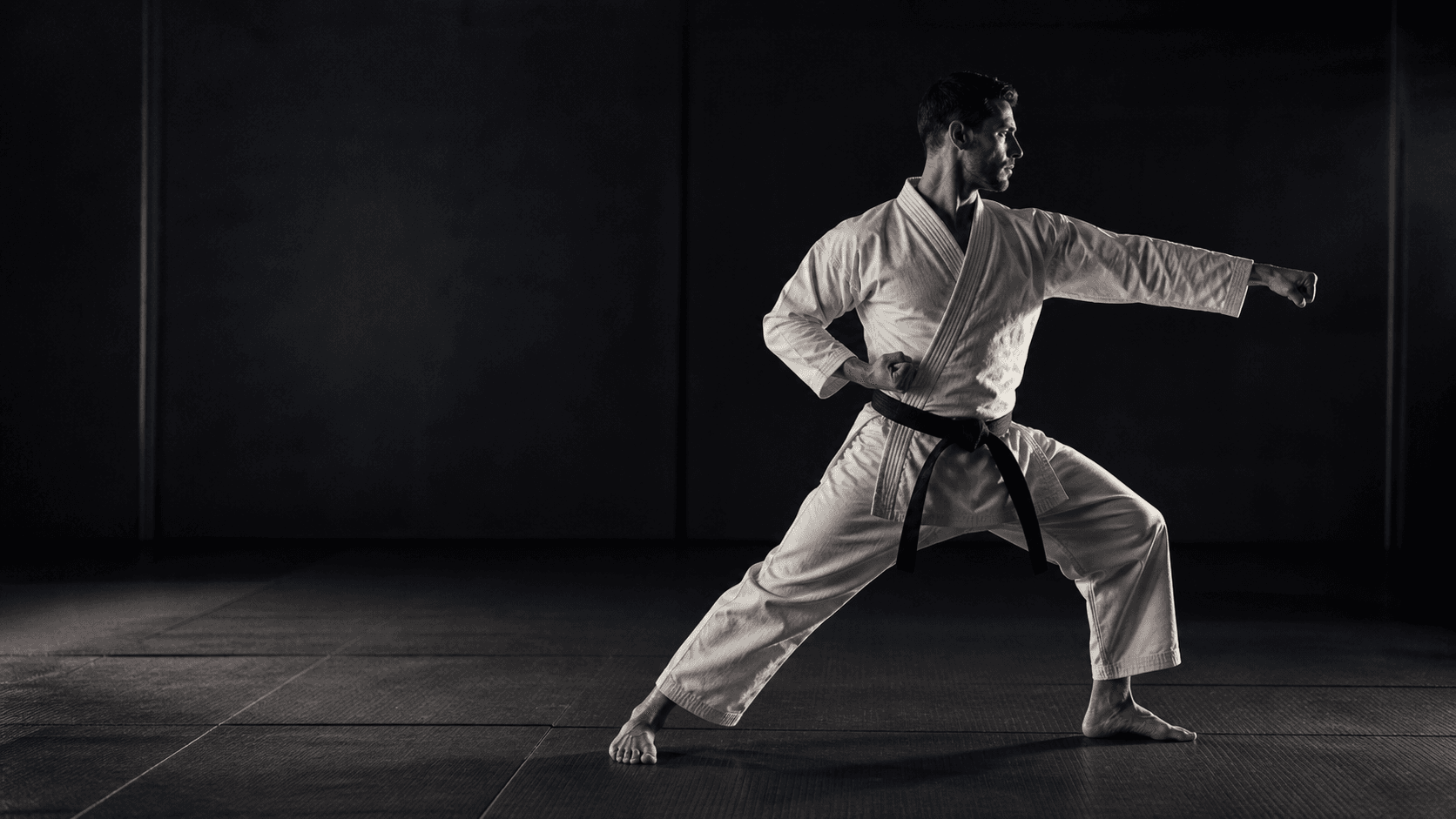
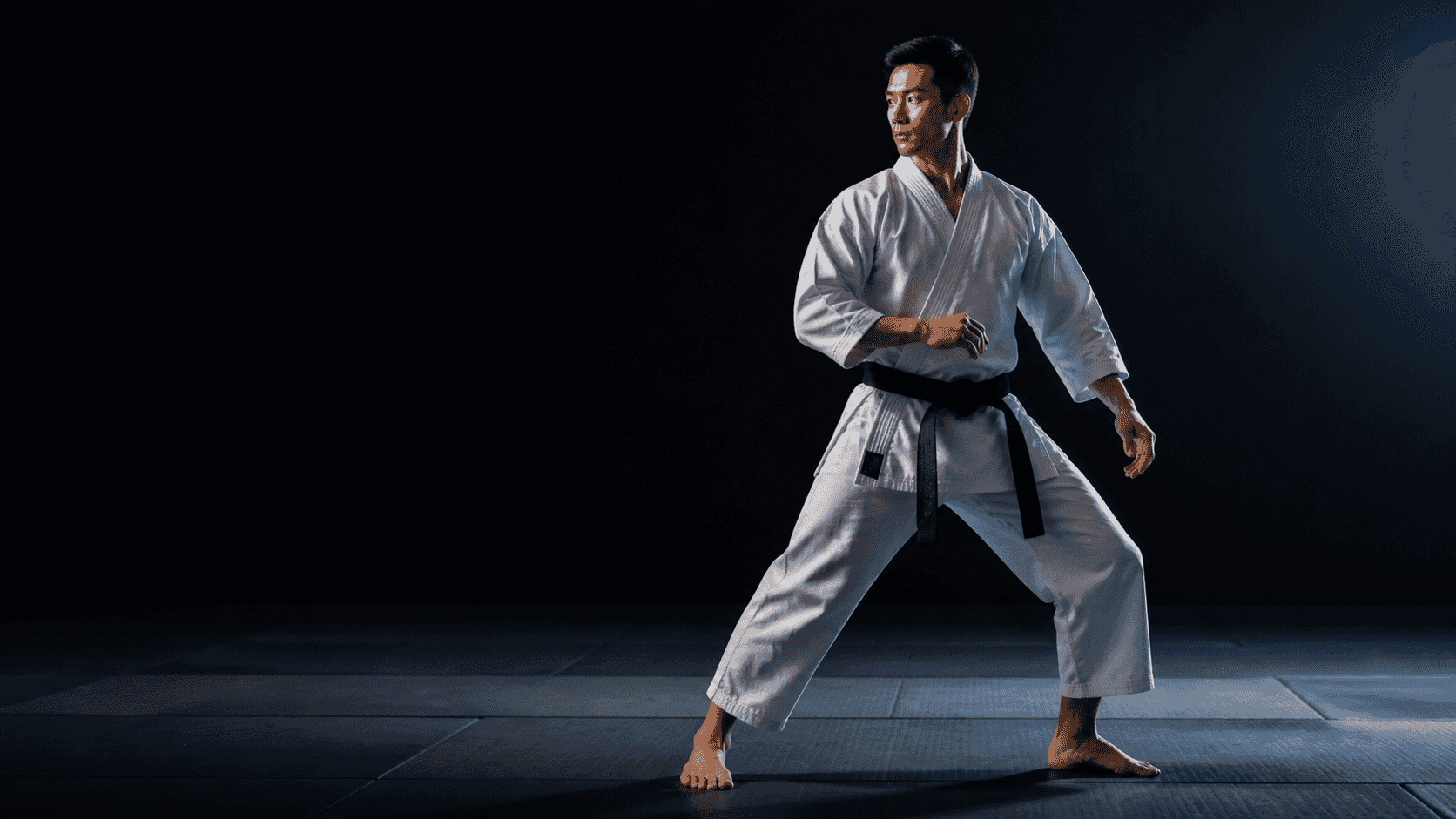
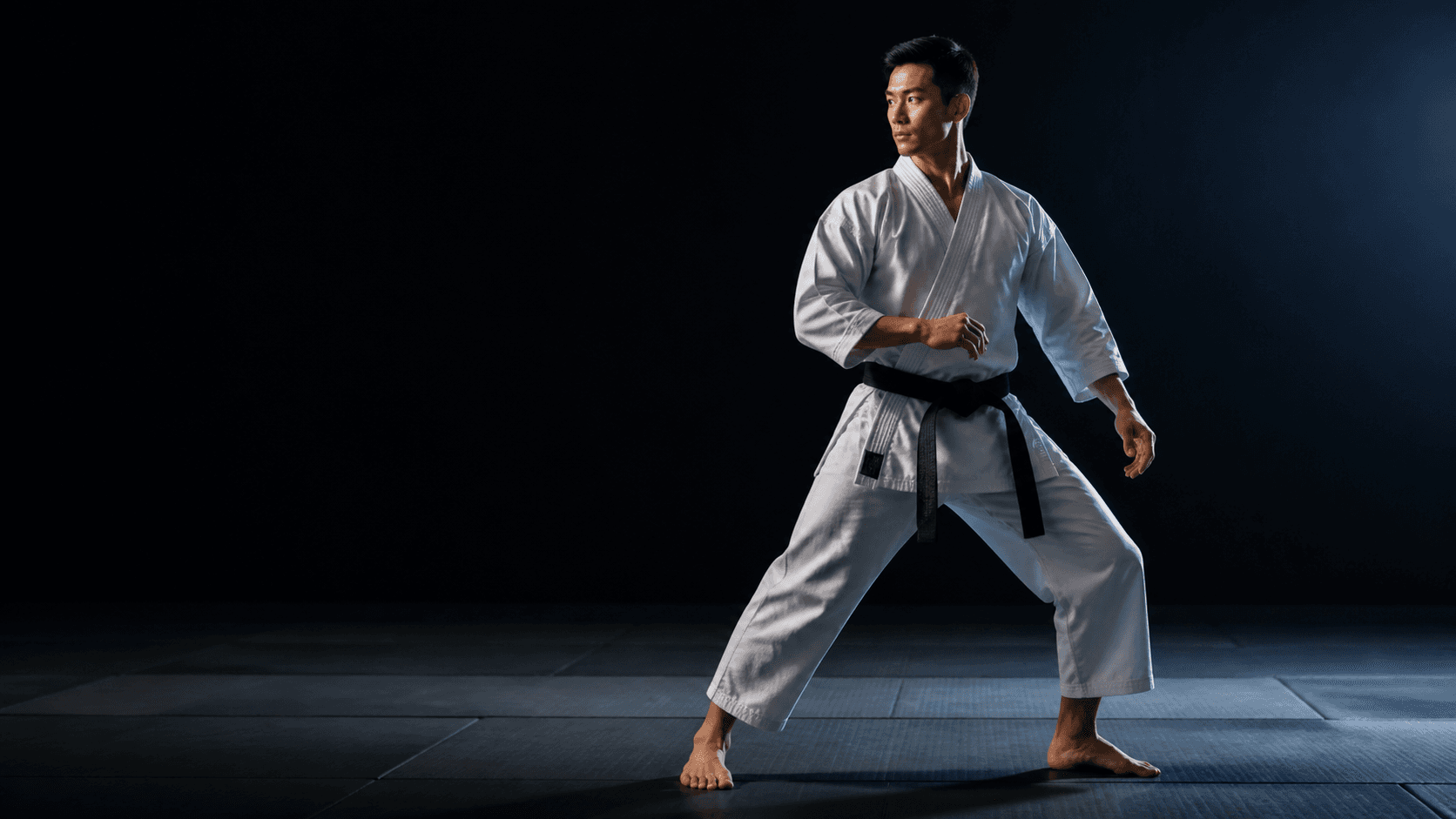
- Deep stances get modified. A front stance held at full depth for a full minute is a bad idea for a bad knee; a shorter stance held for less time, with more weight on the healthy leg, usually is not.
- High kicks come off the table before low ones do. A hip or knee that dislikes extreme range of motion can usually still throw a controlled kick to knee or thigh height.
- Partner drills get paced down, not skipped. Grabbing, pushing and light contact can almost always be adjusted in speed and force rather than removed outright, but only if your partner and instructor know to adjust it.
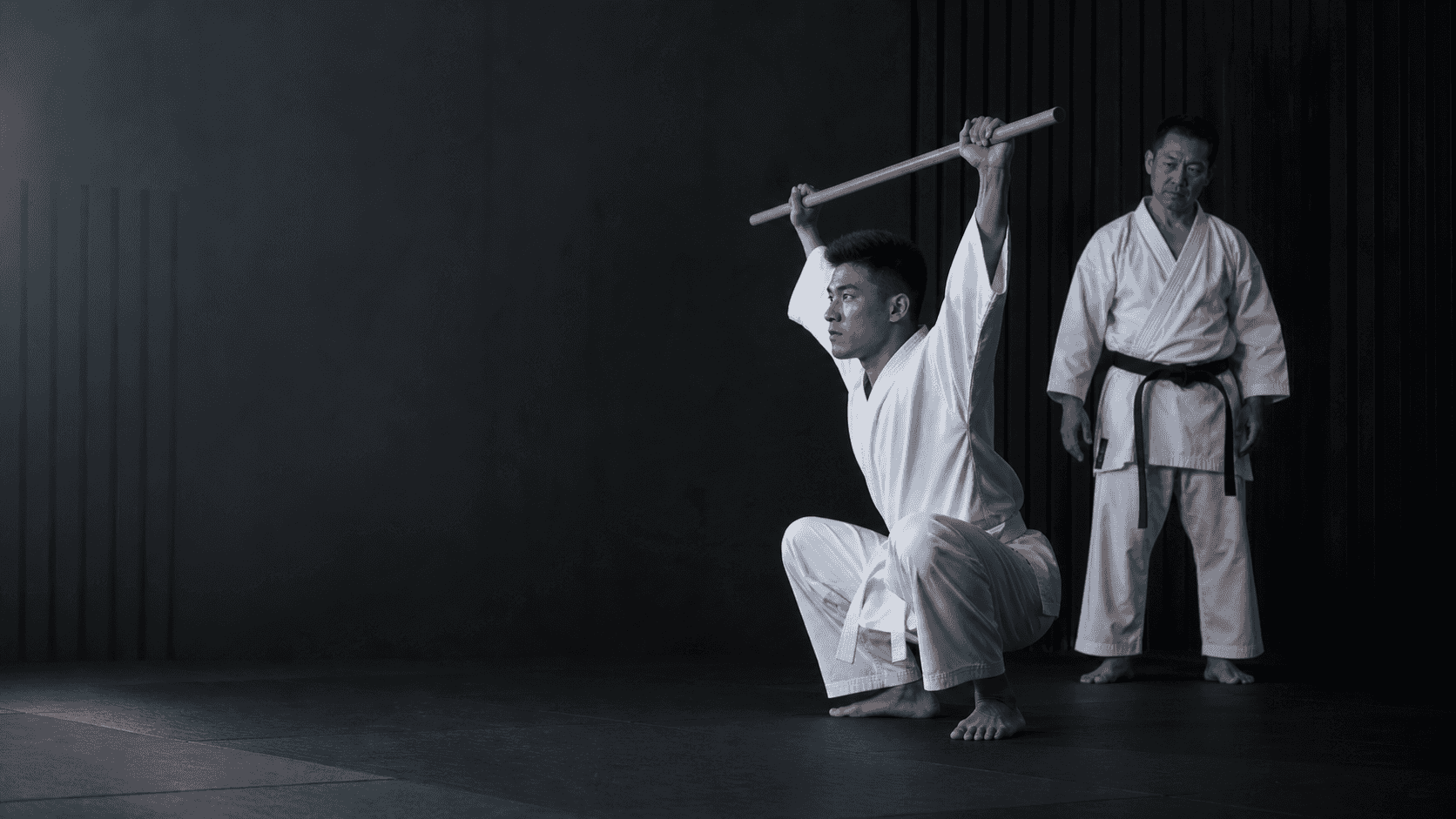
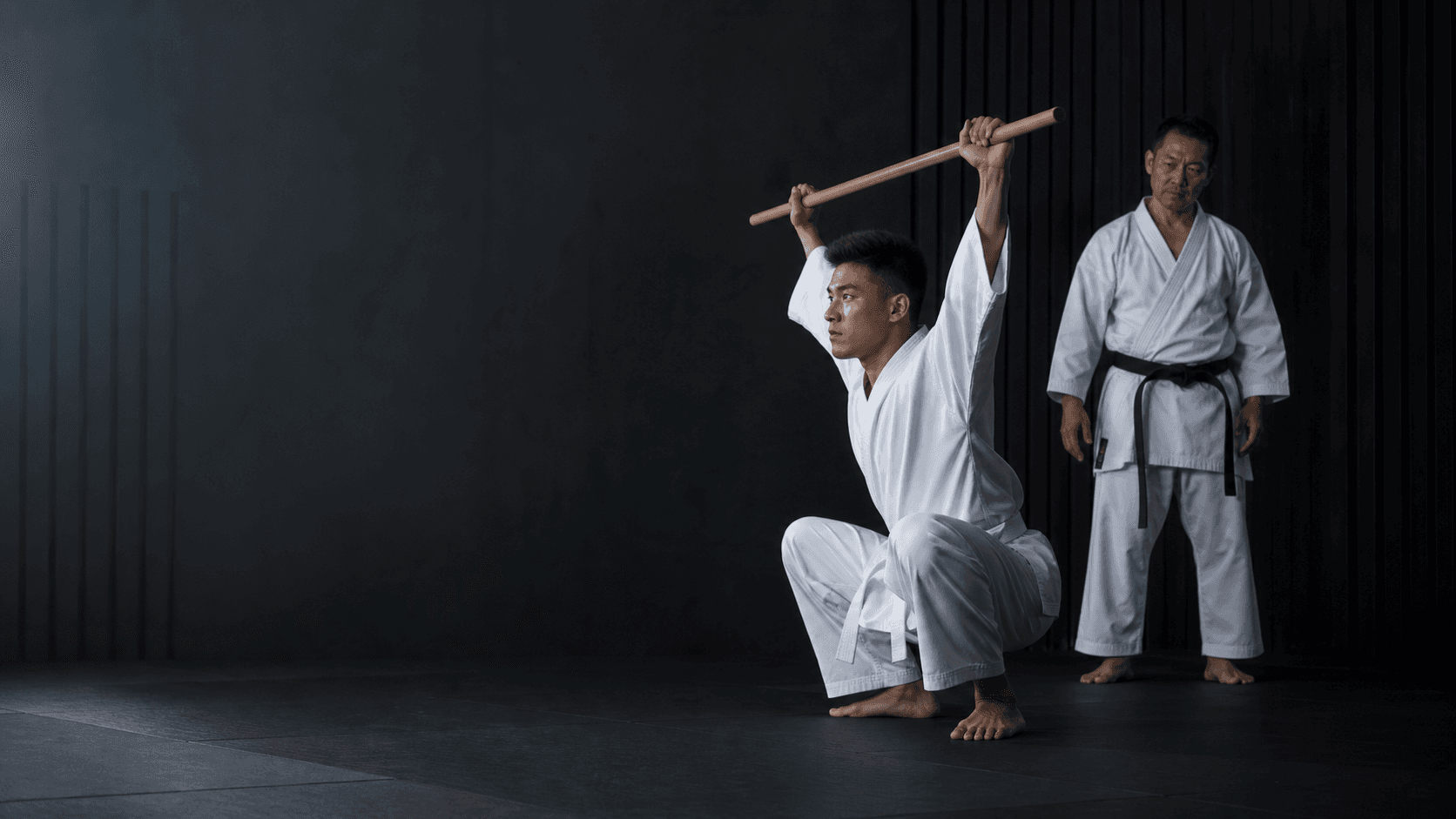
- Some techniques get parked, not forced. A shoulder with a history of dislocation has no business in an overhead block done at full extension in month one. A good class substitutes a different technique that trains the same principle without the same risk.
- Recovery time between classes matters more. Two sessions a week with a rest day between them is a very different load on a joint than three in a row.
None of this is exotic. It's the same logic a physiotherapist would use: reduce range, reduce load, reduce speed, keep moving.
A few specific examples, honestly
- Knees: what's hardest on a knee is a deep stance combined with pivoting under load. Both can be trained at a shallower depth and a slower pivot without losing the point of the technique.
- Shoulders: blocks and strikes that finish in a fully locked, overextended position are the highest-risk moment for an unstable shoulder. Stopping a little short of full extension keeps the training value and removes most of the risk.
- Lower back: twisting techniques done fast, under fatigue, late in a session are where backs tend to complain. Slowing the twist and easing off in the last few minutes of a hard class usually solves it.
- Ankles: old sprains dislike sudden direction changes on an unstable surface. A dojo floor is flat and predictable, which is kinder to a rebuilt ankle than most team sports are.
When a doctor should see you before an instructor does
There's an honest line here, and it isn't specific to karate. If a joint is currently swollen, if a doctor has told you not to bear weight on it, if you've had surgery in the last few months, or if a movement causes sharp pain rather than a dull ache, that's a conversation for a doctor first, not a trial class. Karate can usually adapt around an old injury that has been stable and managed for years. It's a much worse fit for an acute one that hasn't been diagnosed yet.
What to actually tell your instructor
Not a medical history, just the practical version. Which joint, what it doesn't like doing, and whether it's an old injury that flares occasionally or a daily limitation. "My left knee doesn't like deep bends and swells if I overdo it" tells an instructor everything they need to adjust a stance for you. Saying nothing and hoping nobody notices is the real risk here, not the injury itself. An instructor who doesn't know can't pace you differently from everyone else in the room.
The honest tradeoff
Training around an old injury is slower. Some techniques take longer to reach full form, and a few might never look the way they do in a demonstration video. That's a fair trade against staying still. Karate won't fix a joint that needs medical attention, and no class should be sold as though it will. But in the far more common case, an old injury that's stable and managed, careful and consistent movement tends to help mobility and strength more than sitting on the sidelines does.
Trying it before deciding
The only way to know how your particular knee, shoulder or back handles karate is to feel it in a real class, at a pace you control, with an instructor who knows what you've told them. Kartal Karate Academy runs a free trial class for exactly this reason, so that before any commitment, you find out what an actual session feels like in your actual body. Classes run Monday through Saturday, 09:00 to 21:00, at Yakacık Spor Kulübü in Kartal. Register at karatekartal.fit/en/register, or call +90 501 366 56 30 to ask a question first.