What Your Eyes Can Actually Do After Dark
Istanbul goes dark early in winter. By late November the light is gone before six, and for most people that means the walk from the metro, the bus stop or the school gate happens in something between streetlight and shadow. Personal safety advice usually treats this as a question of nerve. It is not. It is a question of optics. Your eyes work differently after dark, in specific and predictable ways, and knowing how changes what you should actually do on the street.
None of what follows is about fighting. It is about seeing early, which is the part of personal safety that does the real work.
Your eyes swap to a different system after dark
The retina has two kinds of light-sensitive cell. Cones carry colour and fine detail, and they need a reasonable amount of light to work at all. Rods work in very dim light, but they carry no colour information and much less detail. They are also far more sensitive to movement.
In daylight your cones do almost everything. After dark they largely stop contributing and your rods carry the load. That handover has consequences you can actually feel:
- colour drains out of the scene, which is why a jacket you would call navy at noon is simply dark at eight
- faces become unreliable at a much shorter distance than you expect
- you notice movement at the edge of your vision more readily than a stationary person straight ahead
The last one matters. If something in the corner of your eye makes you turn your head at night, that is worth acting on rather than dismissing. Your rods are good at exactly that job, and they are doing it with the part of your eye best suited to it.
Adaptation takes twenty minutes and is lost in seconds
Rods do not switch on instantly. Full dark adaptation is slow. Your eyes keep gaining sensitivity for twenty to thirty minutes after you leave bright light, and anyone who has stepped out of a lit shop into an unlit street knows the first minute or two is close to useless.
The other half is worse. That slowly built sensitivity is undone by a few seconds of bright light. A phone screen at full brightness, a shop window, headlights straight on, and you are back near the start.
The practical adjustments follow directly:
- do your phone checking inside the lit space you are leaving, not thirty metres down a dark street
- keep evening screen brightness low
- when a car comes at you on full beam, look at the kerb line rather than into the lights
- give yourself a minute at the door before setting off
Age is a real factor here. Pupils get smaller with age, the lens transmits less light, and adaptation slows down. A parent in their fifties genuinely needs more light for the same task than their teenager does, and there is nothing to be gained by pretending otherwise.
Looking straight at something is the worst way to see it at night
The very centre of the retina is packed with cones and holds almost no rods. In dim light that leaves you with a small dead zone exactly where you are pointing your eyes. Astronomers have used the workaround for centuries: to see a faint star, look slightly to one side of it rather than at it.
The same thing works on a dark street. If something ahead is unclear, do not stop and stare at it. Staring puts the dead zone directly on the thing you are trying to resolve, and it also stops you moving, which is the more expensive of the two mistakes.
Better to keep walking, look slightly off to one side of the ambiguous shape, and let the edge of your vision do the work while your feet keep your options open.
Darkness makes the street smaller
Distance is the whole of personal safety. Space is time, and time is what lets you notice, decide and leave. Everything else is a distant second.
Low light shortens the range at which you can recognise anything at all: a face, an object in a hand, whether that is one person or two. Functionally, the same street is a smaller street at night. The distance you would be happy with in daylight has to be larger after dark, because your information is arriving later.
The answer to that is route, not vigilance. Constant scanning is exhausting and nobody sustains it for long. A route that keeps space available works without any effort at all.
- walk the lit side, and cross before the dark stretch rather than at it
- swing wide around doorways, building entrances, parked vans and corners you cannot see into
- keep one ear free, or both, because hearing is carrying more of the load when vision is degraded
- clean your glasses and keep your prescription current, since a small uncorrected error costs far more at night than in daylight
- if something ahead is ambiguous, change your line early, because an adjustment made forty metres out is invisible while one made at five metres is an announcement
If you think you are being followed, or a situation stops feeling ordinary, the response is to get into light and people: a shop, a petrol station, a cafe, a busy street. Call 112. That is the whole plan, and it does not need to be braver than that.
What training adds, and what it does not
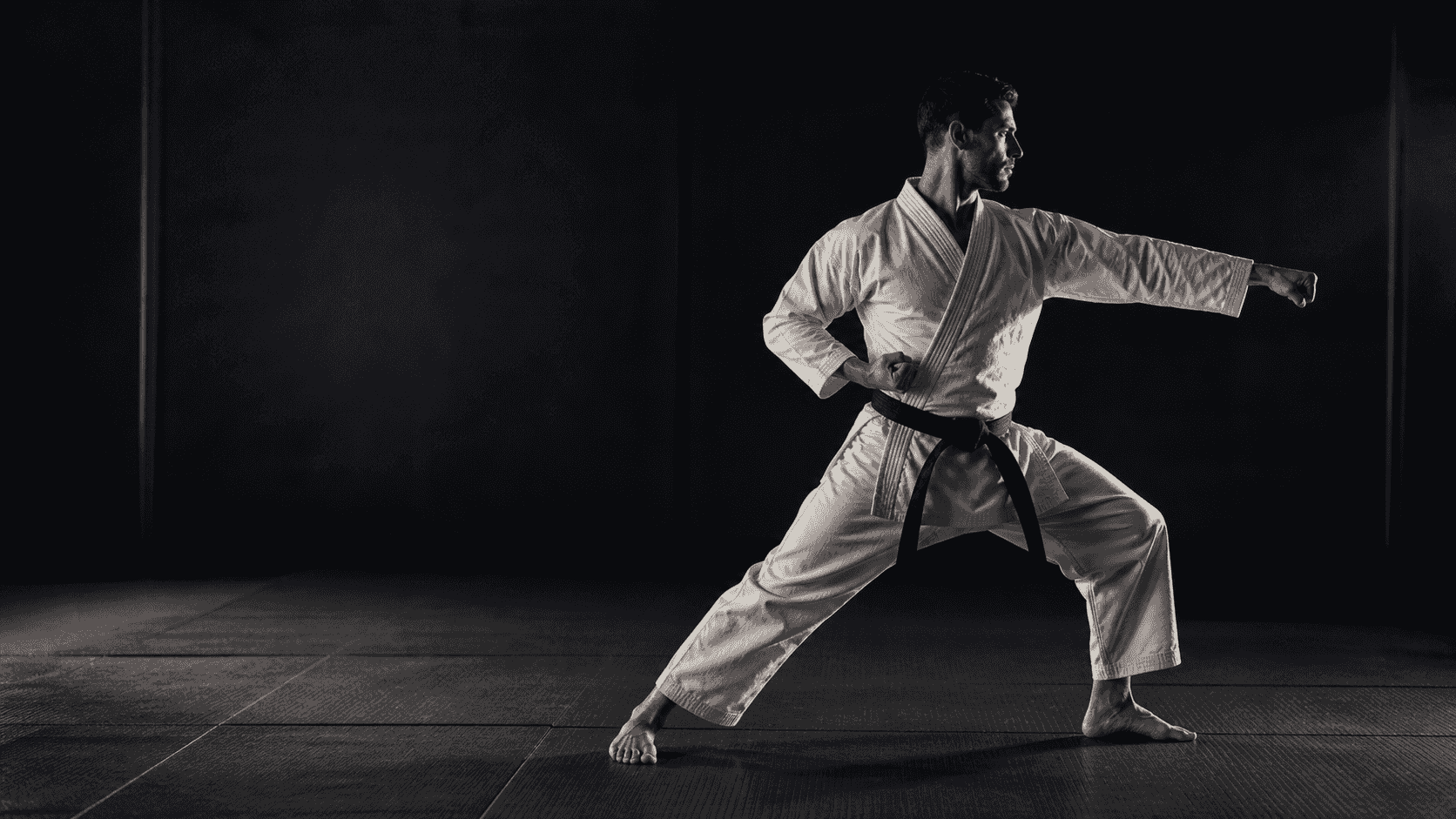
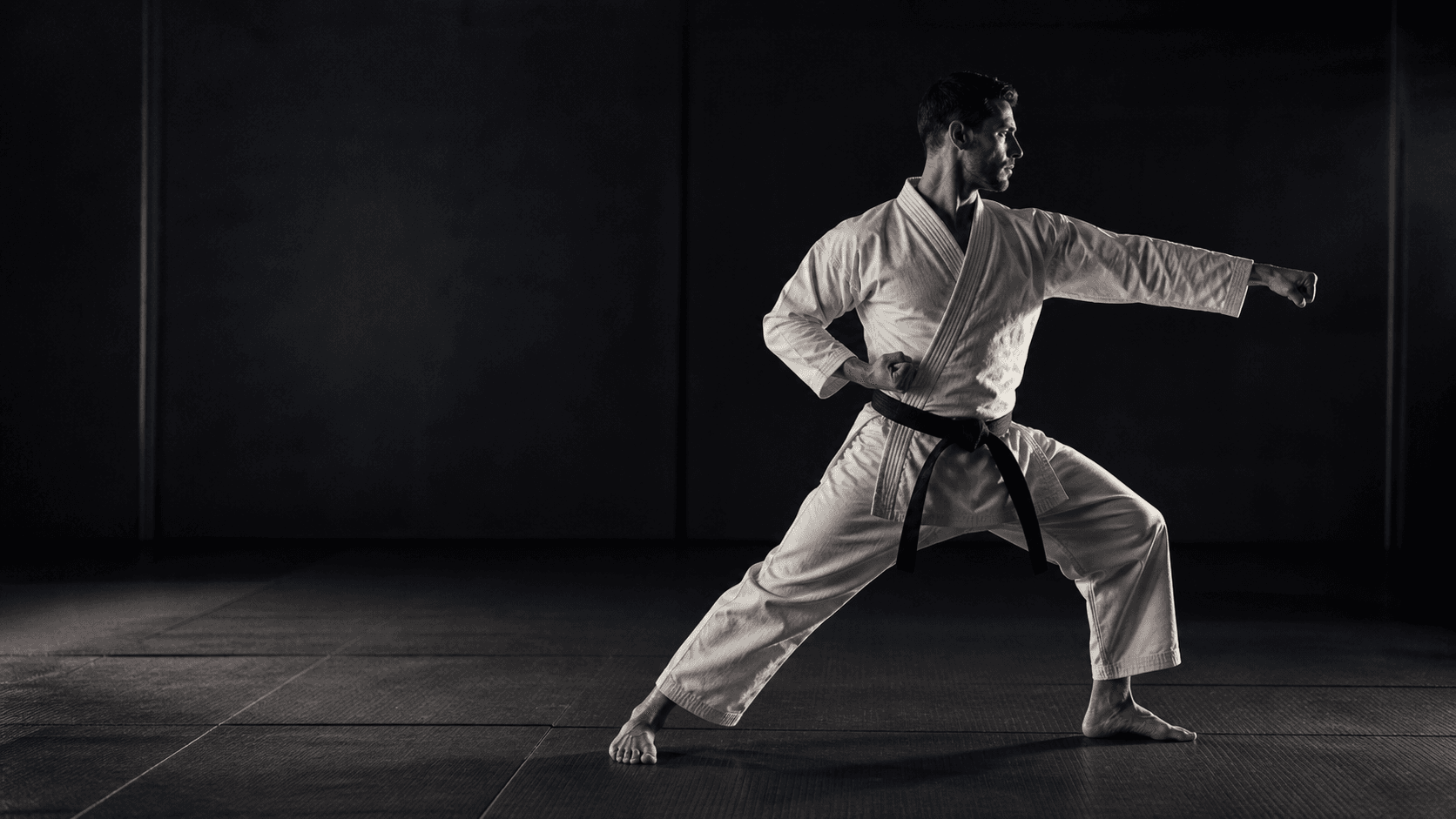
Karate does not improve your rods. No class will make your eyes work better in the dark, and anyone promising that is selling something.
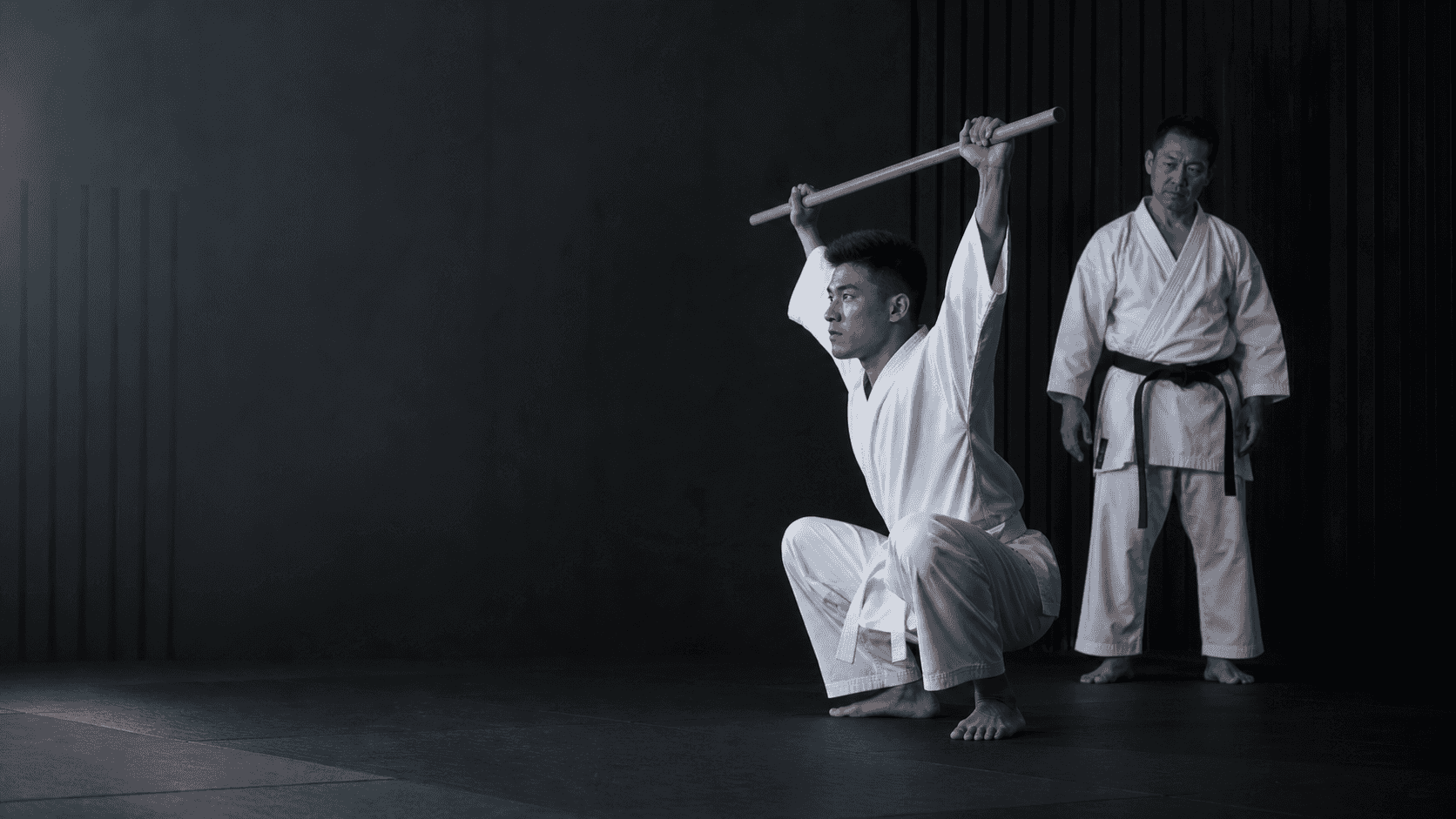
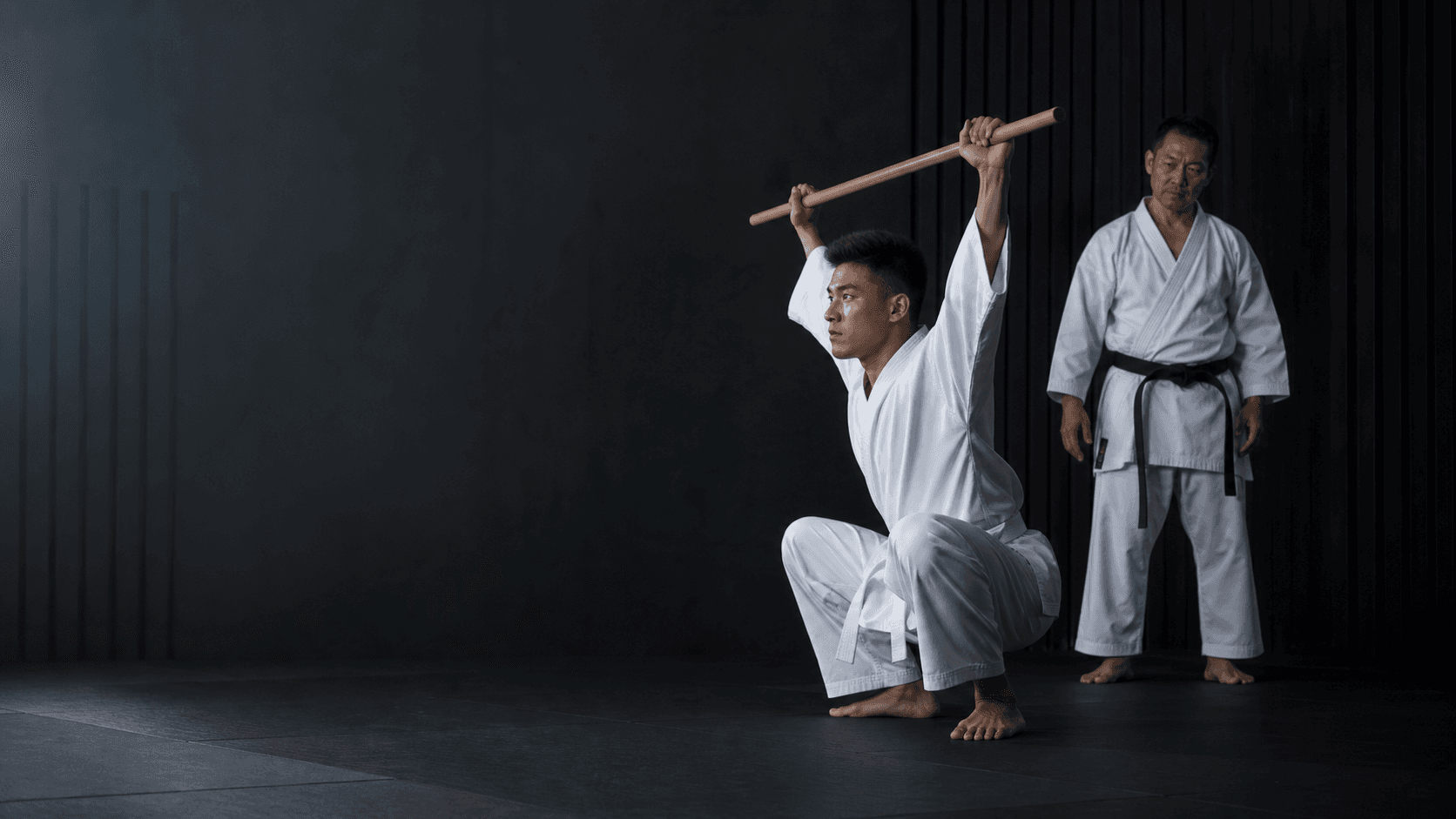
What regular training adds is narrower and more useful. You get used to holding distance and to noticing when it closes. You get comfortable moving rather than freezing when something is unclear. And if avoidance fails, you have a small number of simple trained responses aimed at breaking away and getting out, not at winning anything.
Be clear about the limit. A few months of classes does not let anyone win a violent confrontation, and no amount of training removes risk. What it does is make the early, boring, unglamorous options feel available instead of feeling like giving in. Space, route, leaving. Nearly all of the benefit lives there.
Coming to see us
At Kartal Karate Academy we teach this in the order it matters: avoidance first, distance second, physical response last and only ever as a way out. Sensei Behzad Yaghoubian and Sensei Homa Yaghoubian run children, adult and self-defense classes at Yakacık Spor Kulübü, Spor Cd. No:4, Cumhuriyet Mahallesi, Kartal. The timetable is Tuesday and Saturday, 18:00–19:00, with an adult class on Thursday at 18:00–19:00.
The first class is free, so you can see the room and ask your questions before deciding anything. Book at karatekartal.fit/en/register, or call +90 501 366 56 30.