The Wrist Under Load: What Punching Actually Does to a Joint You Never Warm Up
The joint nobody warms up
Before class, most karateka rotate their ankles, circle their shoulders, and stretch their hips. Almost nobody does anything deliberate for the wrist. That is strange, because the wrist is the last link in the chain every time a punch lands. The hip turns, the shoulder drives, the elbow extends, and all of that force arrives at a joint roughly the width of two fingers, asked to hold its shape against an impact it did not choose the angle for.
Most of the time this is fine. The wrist is not fragile. But it is the joint most likely to be loaded in a position it was never built to transmit force through, and that mismatch is where the trouble starts.
What a straight fist actually means
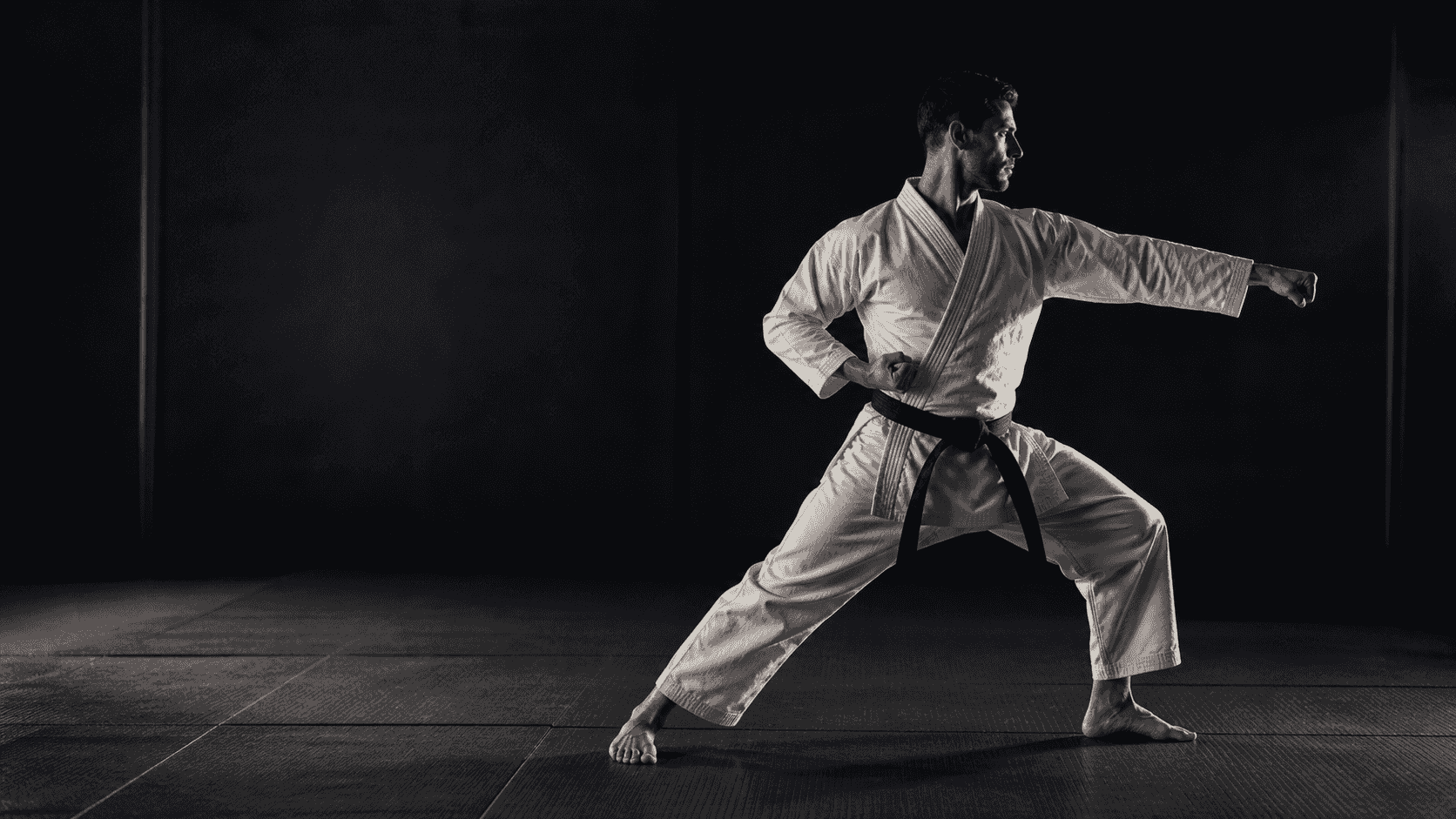
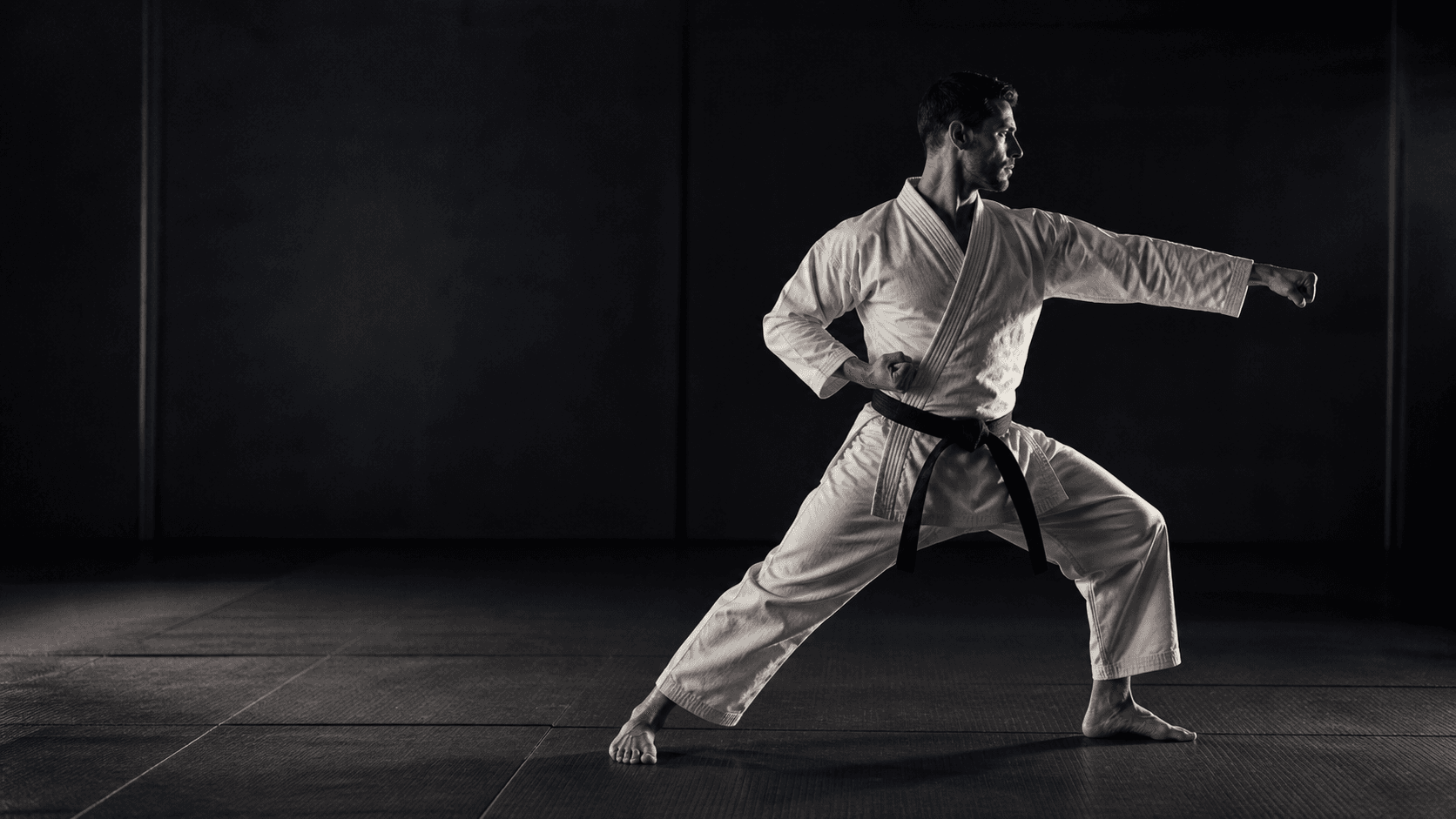
A punch works because the forearm bones, the wrist, and the two striking knuckles line up close to a straight column. When you make a proper seiken fist and align it correctly, the force of the impact travels back through solid bone, up the radius and ulna, into the elbow and shoulder. The wrist itself does very little work in that transfer. It is a passenger, not an engine, as long as it stays in line.
The moment the wrist bends, in any direction, that changes completely. A flexed or extended wrist turns the joint from a rigid column into a hinge. Instead of the impact travelling through bone, it gets caught by tendons, ligaments and the small bones of the carpus, none of which are built to absorb a striking load. This is why a technically weak punch can hurt more than a technically strong one landed with more power. It is rarely about how hard someone hits. It is about whether the wrist was in line when the fist arrived.
Why the mistake is so common
Two habits work against a beginner here. The first is how we make a fist in daily life, loosely, with the wrist slightly cocked, because we are not about to hit anything. That habit does not disappear just because a gi goes on.
The second is the instinct to add a wrist flick for extra snap, especially once a student starts hitting pads or a bag and wants the impact to sound sharper. The flick can genuinely add a little speed at the very last instant, but it also takes the wrist out of alignment exactly when the load arrives, which is the worst possible moment for it to bend.
Contact point matters too. A correctly aligned seiken strikes with the first two knuckles, index and middle, because they sit directly above the strongest column of bone in the forearm. Striking with all four knuckles, or rolling toward the ring and little finger, moves the contact point away from that column and puts more of the load onto the smaller bones at the edge of the hand and wrist.
What repeated misalignment does over time
A single mishit rarely causes serious damage. The risk is cumulative. Months of striking with a wrist that bends slightly on impact puts repeated small strain through the same tendons and the joint capsule, session after session. That shows up first as soreness after bag or makiwara work that does not match the effort involved, then as a wrist that feels unstable or clicks under light pressure, and eventually, for some people, as a genuine sprain from a single harder strike that the joint could no longer absorb safely.
For growing karateka this matters even more. The growth plates near the wrist are still developing through the early teenage years, and heavy impact through a misaligned joint is exactly the kind of repeated load a coach wants to avoid at that age. This is one of the quiet reasons children's classes stay light-contact and build technique slowly before any real striking surface enters the picture. Good form now is what makes harder contact safe later.
What to actually do about it this week
You do not need new equipment to fix this. You need about five minutes of attention before your fist ever meets anything solid.
- Press your fist against a wall slowly and check the line from forearm through wrist to knuckles is straight, not bent up, down, or sideways
- Practice slow-motion punches in the mirror and freeze at the moment of impact to see whether the wrist holds its line
- If you hit pads or a bag, start with air punches at full extension first, then light pad contact, and only add a heavier bag once the alignment holds without you having to think about it
- Ask your instructor to check your fist shape and contact point directly, this is a two-second correction that is hard to see in yourself
- Wrap or tape the wrist for bag work if you are still building the habit, not as a permanent fix but as feedback while the correct position becomes automatic
None of this slows down your progress. If anything it protects the hours you have already put in, because a wrist injury takes far longer to recover from than it takes to learn to hit correctly in the first place.
If you are curious what your own form looks like under a coach's eye rather than a mirror's, Kartal Karate Academy offers a free trial class for new students. You can register at karatekartal.fit/en/register.