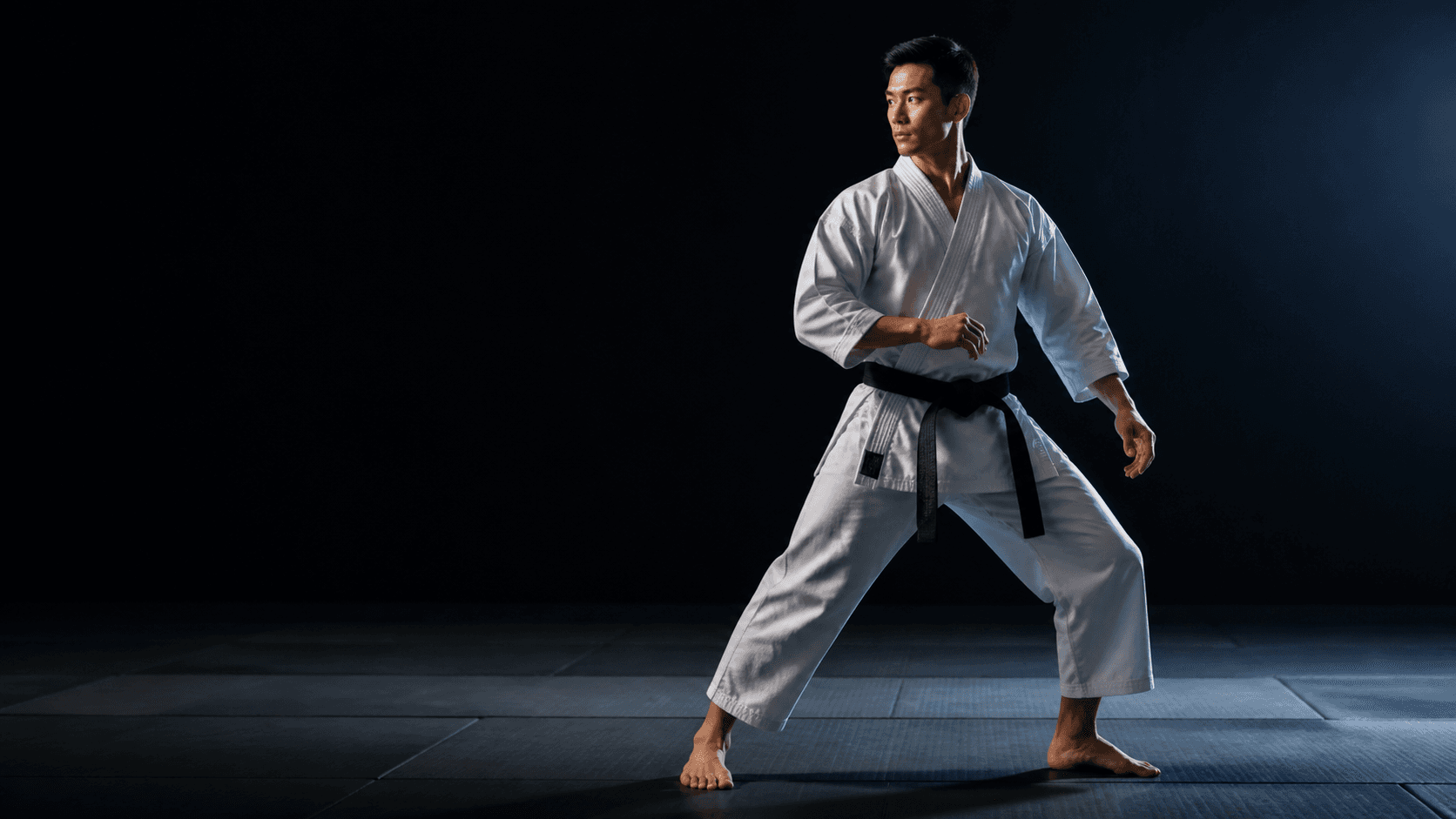
Getting Fit for Military Service: How Karate Prepares You for Askerlik
The Question Nobody Quite Asks Out Loud
Every year, a certain number of young men who walk into Yakacık Spor Kulübü for a trial class mention it almost in passing, usually near the end of the conversation: "Aslında askere gitmeden önce forma girmek istiyorum." Before military service before I go. It is rarely the headline reason someone signs up, but it sits underneath a lot of decisions made in someone's early twenties in Kartal, Pendik and the wider Anatolian side of Istanbul. So it is worth answering honestly rather than vaguely.
What Basic Training Actually Demands
Askerlik does not require you to be an athlete. It requires you to move for long stretches, carry weight, follow instructions under fatigue, sleep less than you are used to, and recover without much say in the schedule. Sudden intense fitness campaigns in the final weeks before intake tend to produce injuries, not readiness, because tendons and joints need months, not days, to adapt to new loads. If you have four to six months before your call-up date, that is a genuinely useful window. If you have three weeks, karate will not fix that, and neither will anything else.
What Karate Actually Builds
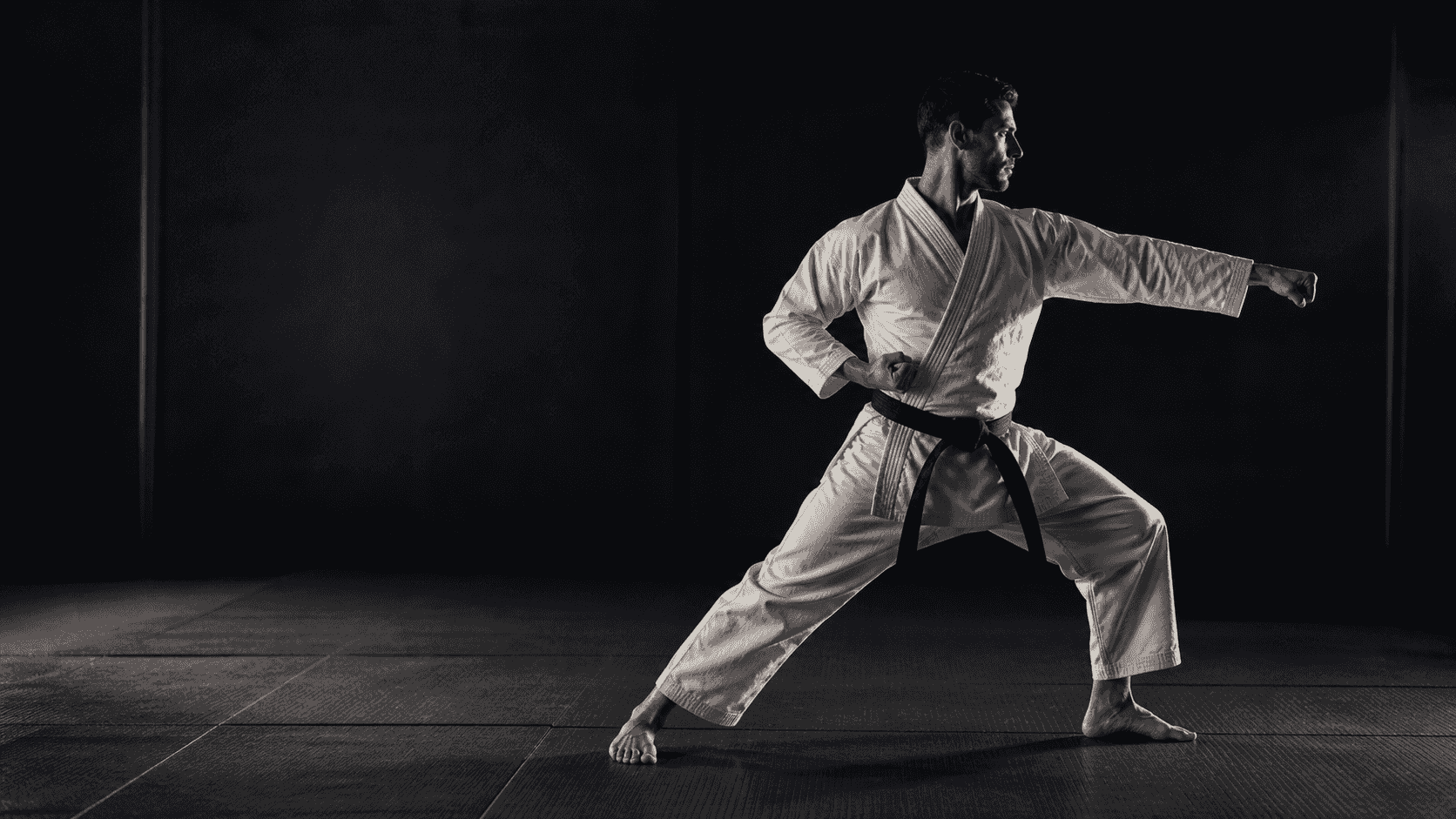
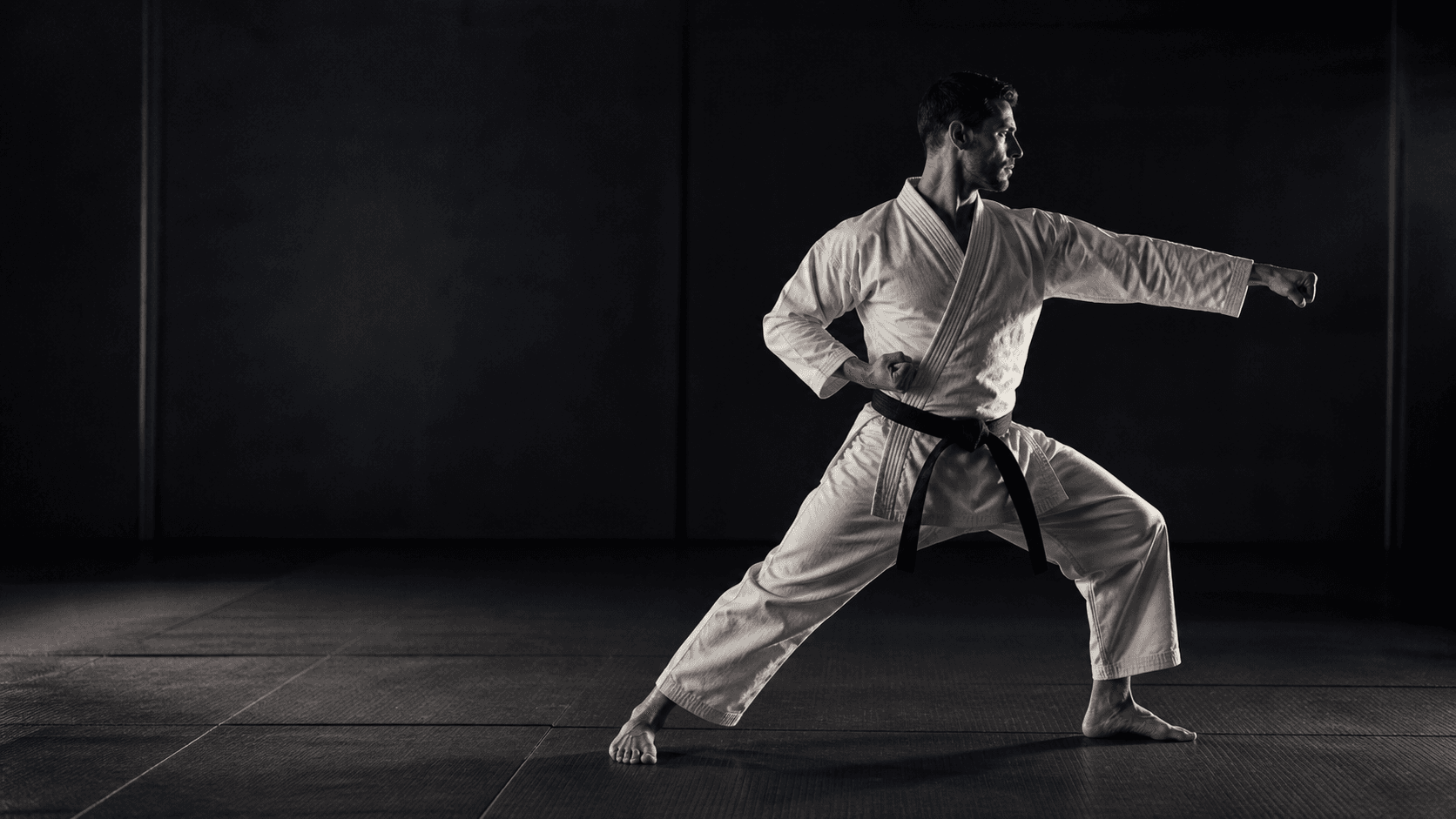
Two or three classes a week over several months builds a specific kind of fitness that overlaps more with basic training than most gym routines do. Kata and kihon repetition build muscular endurance in the legs and core rather than one-time maximal strength, which matters more than a heavy squat number when you are on your feet for hours. Stance work — particularly the low front and back stances used in kata — strengthens the exact muscles around the knees and ankles that carry the load during long marches, and does it through a full range of motion rather than in a straight line the way a treadmill does. Kumite drilling builds the kind of short, repeated bursts of effort followed by imperfect recovery that resembles a training day far more closely than steady jogging does.
There is also a less physical piece. Karate class runs on discipline that is not really optional — you line up, you bow, you follow the sensei's count, you do the technique again when it was not sharp enough the first time, and you do this in a room full of people who are watching. That specific discomfort, the one where you are tired and being corrected in front of others and you keep going anyway, is closer to a barracks morning than most people expect from a martial art. It will not make the actual experience easy. It removes some of the shock.
What It Does Not Prepare You For
Be honest with yourself about the gap. Karate does not train you to run long distances at pace — if your unit does distance runs, you should be running separately, on top of class, not instead of it. It does not simulate carrying a loaded pack, and if you know your service will involve marches with equipment, some weighted-walk conditioning in the weeks beforehand is worth adding. And it will not touch the parts of askerlik that have nothing to do with fitness: the waiting, the unfamiliar hierarchy, being away from your usual support system. No training program reaches those.
A Realistic Timeline
If your call-up is six months out, three classes a week from month one is a strong, low-injury-risk build. If it is closer to two or three months, twice a week plus your own running on the off days covers both the muscular-endurance side karate builds and the cardio side it does not. In the final two to three weeks before intake, the smart move is to taper, not push harder — arriving slightly undertrained but uninjured beats arriving overtrained with a knee that flares up in week one.
Who This Actually Fits
This is not a program built specifically for conscripts, and nobody here will promise it replaces a proper fitness test regimen. But if you are choosing between doing nothing structured for the months before your service and adding two evenings a week of a discipline that happens to build the right kind of endurance, stance strength and tolerance for being pushed while tired, it is a reasonable choice — and one several people at this club have made for exactly that reason.
The free trial class costs nothing and takes about an hour, and it is the fastest way to find out whether the pace and the schedule actually fit around your own countdown. Book it at karatekartal.fit/en/register.