What a First Karate Class Actually Looks Like, Minute by Minute
The question nobody asks out loud
Most people who are thinking about trying a karate class do not actually worry about whether they will like it. They worry about the fifty-five minutes before they know whether they will like it — walking in, not knowing where to stand, not knowing the words, watching everyone else already know what to do. That worry is reasonable, and it is also fixable, because a first class is far more structured and far less exposing than it looks from outside.
Here is what an hour at Kartal Karate Academy, at Yakacık Spor Kulübü in Kartal, actually looks like from the moment you walk in to the moment you leave.
Before the bow: the first five minutes
You will be shown where to leave your shoes and where to sit or stand while the class before yours finishes. Nobody expects you to already own a gi for a trial class — normal training clothes and bare feet or socks are fine. A sensei or a senior student will introduce themselves, ask your name, and tell you where to line up. This part is the most socially awkward five minutes of the whole hour and also the shortest.
Lining up happens by rank, so as a beginner you will almost always be at one end of the row. That is not a judgment on you; it is just where beginners stand, every time, for everyone who has ever started.
The bow in and the warm-up, roughly ten minutes
Class opens with a formal bow, first to the front of the room and then to the instructor. It is a mark of respect, not a religious or spiritual act, and nobody expects a newcomer to get the timing perfect on the first try — you will simply follow what the person next to you does.
The warm-up that follows is the part that looks most like a normal fitness class: joint circles, light cardio, some dynamic stretching for the hips and shoulders. This is where an instructor is quietly watching new students for any old injuries or mobility limits, which is exactly why it is worth mentioning a bad knee or a stiff shoulder before class starts rather than during it.
Basics against the air, fifteen to twenty minutes
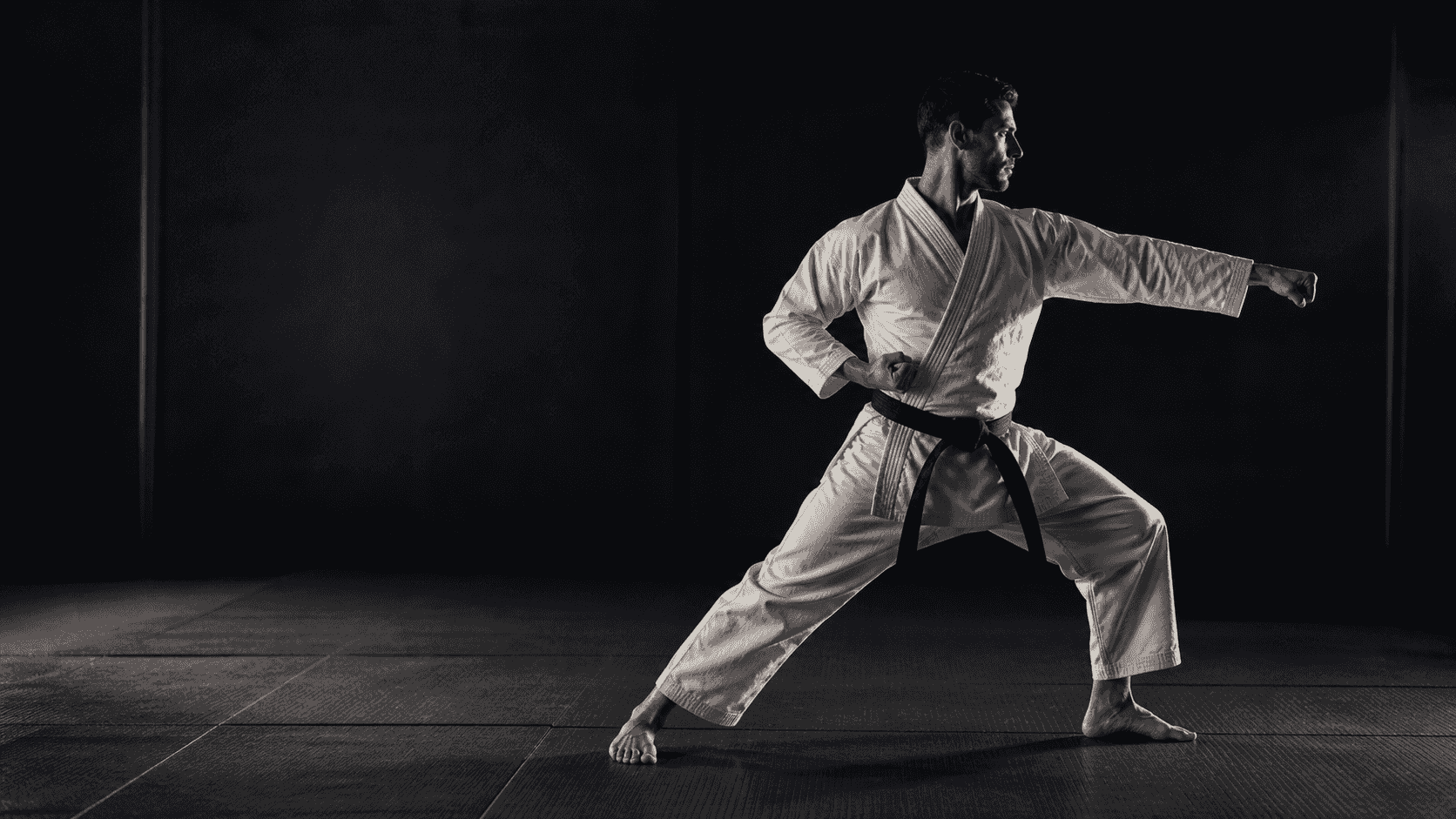
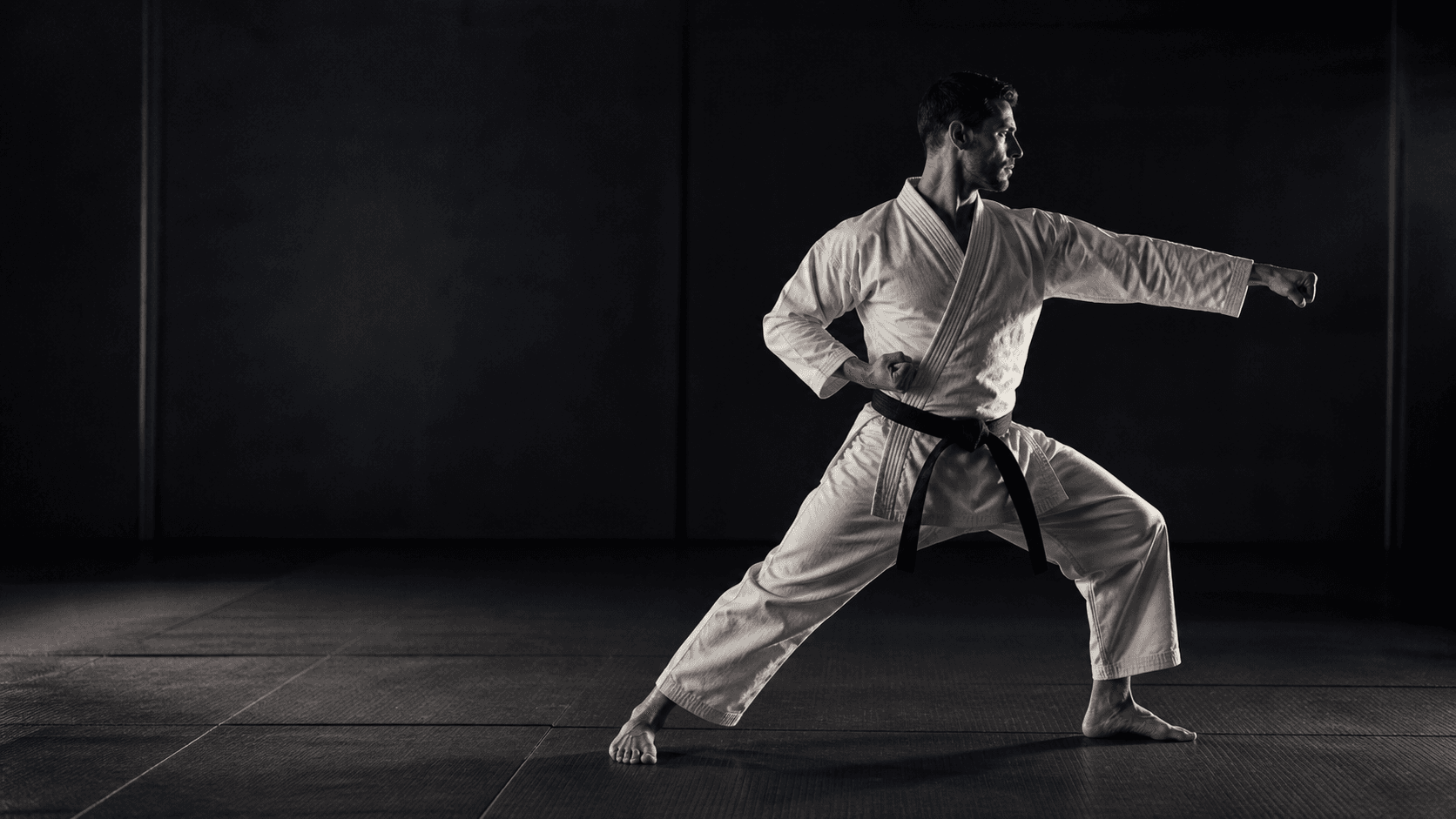
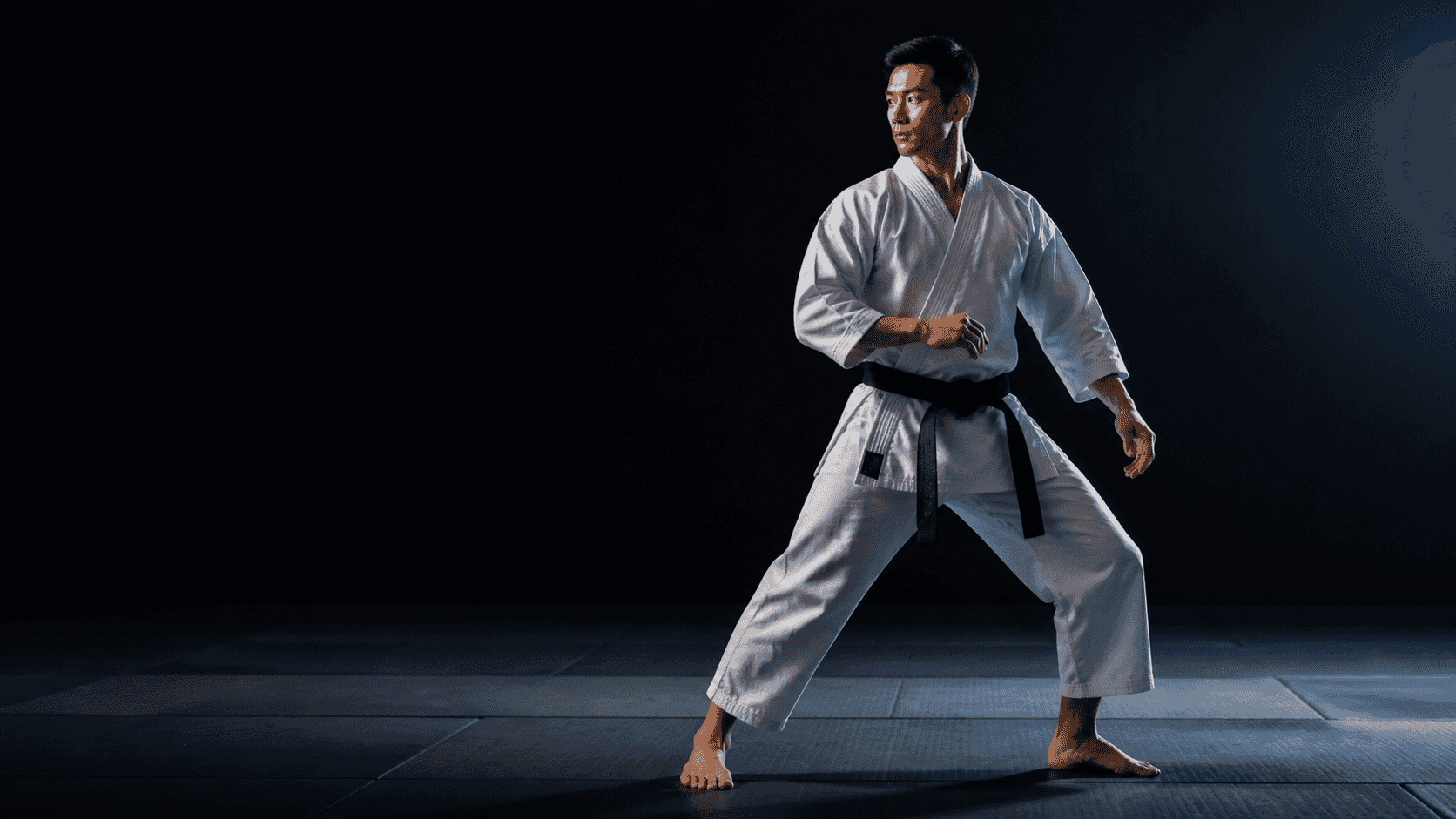
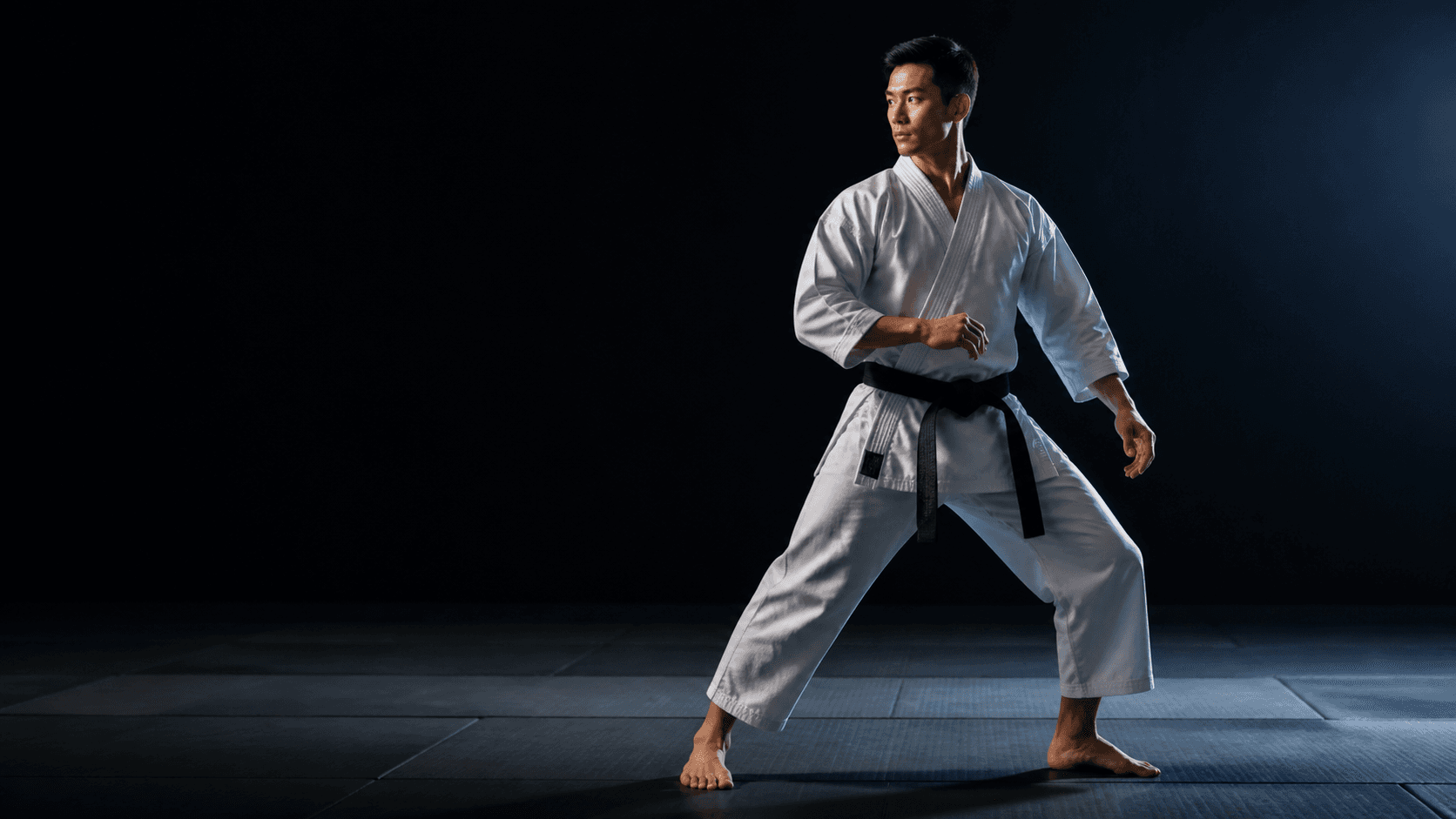
This is kihon — stances, punches, blocks and kicks practised in place or moving up and down the floor, with no partner and no contact. For a first-timer this is the most forgiving section of the class. Everyone is doing the same movement at the same time, the instructor is correcting the room in general rather than singling anyone out, and being a beat behind the count is completely normal in week one.
This is also where you will first hear Japanese terms — oi zuki, gedan barai, mae geri. Nobody expects a new student to have them memorised; most instructors will say the Turkish or English alongside the Japanese for exactly this reason.
Kata or partner drills, fifteen to twenty minutes
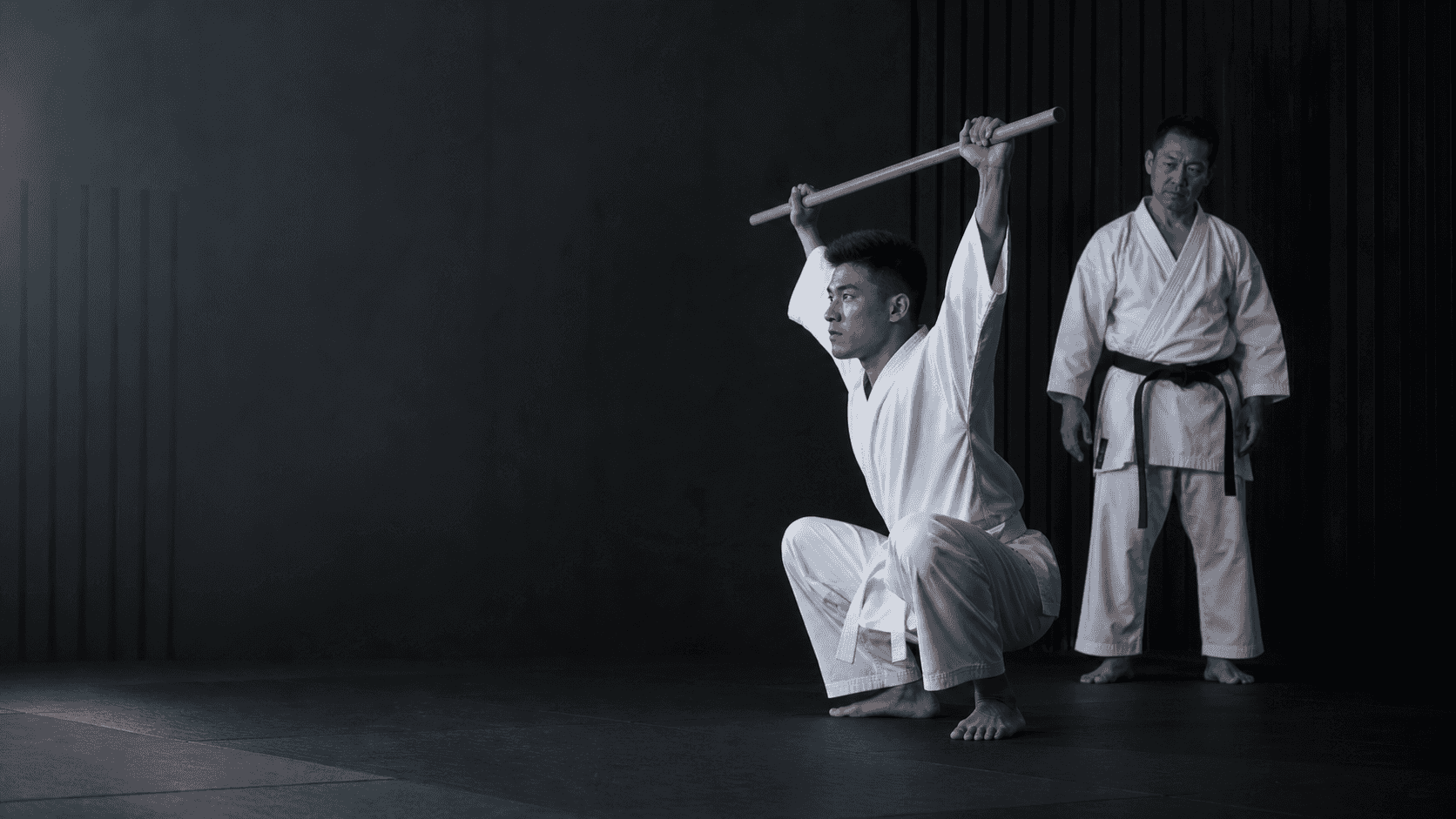
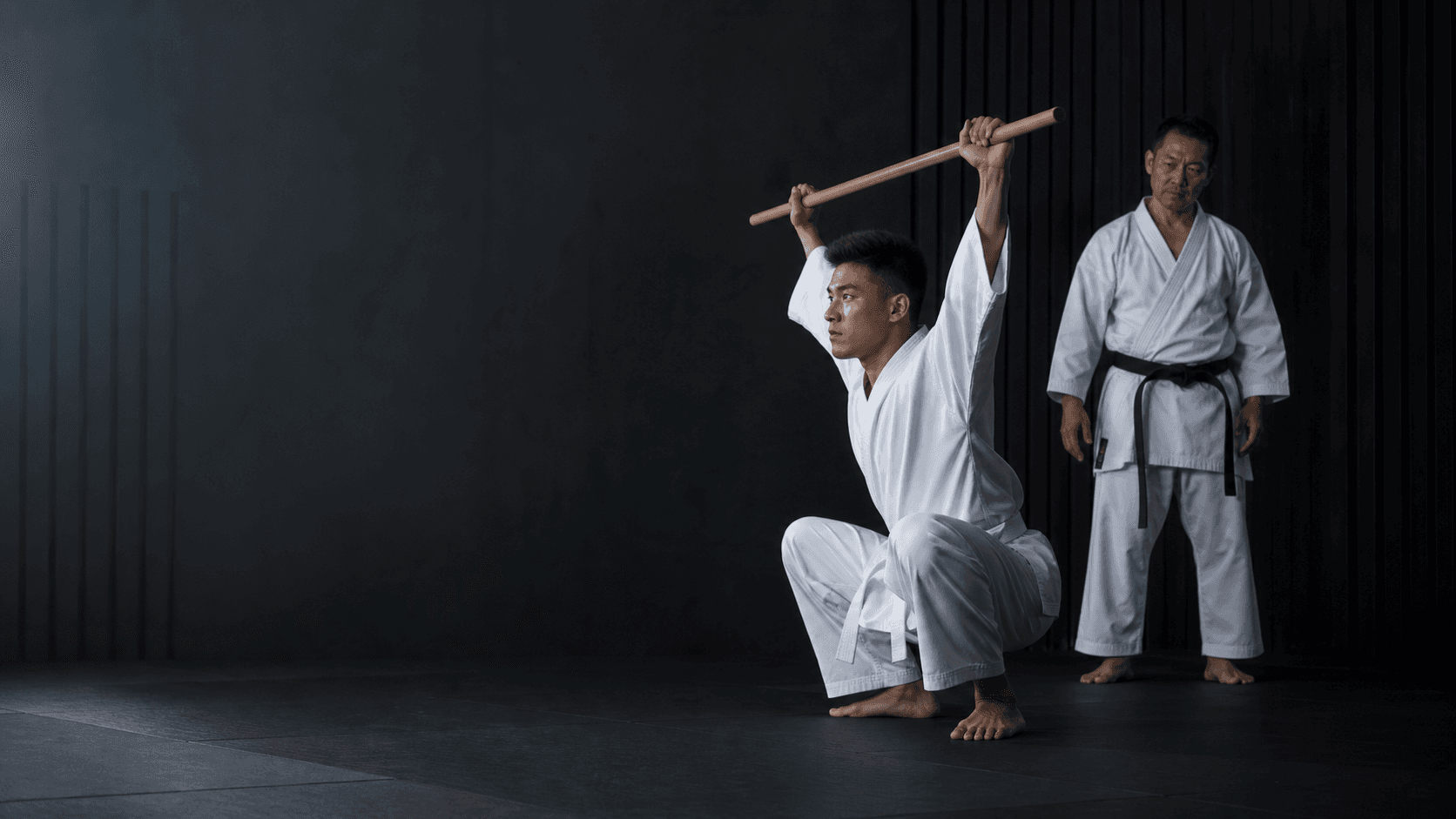
Depending on the class and the night, this block is either an introduction to kata — a fixed sequence of movements practised solo — or paired drills where two students work together at a controlled pace, most often a punch and a block repeated back and forth. Contact in this section is light and controlled, and a first-timer is usually paired with a more experienced student or the instructor rather than another beginner, precisely so the pace stays comfortable.
If the idea of any physical contact is what has been holding you back from trying a class, this is the part worth asking about directly before you come. It varies more by age group and by night than any other part of the hour.
Cool-down and closing bow, the last five minutes
The class ends the way it started, with static stretching and a formal bow. This is also when an instructor will usually ask new students how it felt and answer any questions, which is a better moment to ask about the free trial class, class frequency, or what to bring next time than in the middle of the session.
What actually changes after the first time
The honest answer is: less than you expect changes in the room, and more than you expect changes in you. The line-up, the bow, the warm-up structure and the kihon block stay essentially the same every session — what changes is that they stop being unfamiliar. By the second or third class, most of the anxiety in this article is gone, because it was never really about karate. It was about not knowing the shape of the hour, and now you do.
If you want to see this in person before deciding anything, Kartal Karate Academy offers a free trial class at Yakacık Spor Kulübü, Spor Cd. No:4, Cumhuriyet Mahallesi, Kartal. Classes run on Tuesday and Saturday, 18:00–19:00, with an adult class on Thursday, 18:00–19:00. You can book the trial at karatekartal.fit/en/register, or call +90 501 366 56 30 to ask any of these questions before you set foot on the mat.