Breath Under Threat: Why You Stop Breathing Properly, and How to Get It Back
What Fear Does to Your Breathing Before You Notice Anything Else
Long before your hands shake or your voice wavers, your breathing changes. It happens faster than conscious thought, which is exactly why almost nobody notices it happening to them the first time. Some people hold their breath entirely, freezing mid-inhale as if stillness itself might make the danger pass. Others start taking short, high, rapid breaths from the top of the chest, moving air without moving much of it. Both are the same nervous system doing the same thing: preparing you for a fight-or-flight response your ancestors needed against physical predators, not against a stranger walking too close on a quiet street.
This is not a flaw in you. It is a very old, very fast reflex, and it happens whether or not you have ever trained. What training can change is not whether this reflex fires, but how long it controls you before you get a say in what happens next.
Why a Held Breath Makes Everything Else Worse
Breath-holding and shallow breathing are not neutral side effects of fear. They actively work against you at the exact moment you need to think clearly and act deliberately.
- A held breath tightens the chest and throat, which is part of why your voice can come out thin or shaky when you most want it to sound firm and clear.
- Shallow, rapid breathing changes the carbon dioxide balance in your blood, and that shift is part of what produces the lightheaded, unreal feeling many people describe after a frightening moment.
- Holding tension in the chest and shoulders limits how freely you can move your arms, which matters if you need to create distance quickly or protect your head while getting away.
None of this means you are failing. It means your body picked a strategy built for a different kind of danger, and it takes some deliberate practice to add a better option alongside it.
The One Piece of This You Can Actually Train
You cannot train yourself out of the startle response, and no one should try to. What you can build, slowly and through repetition, is a habit of breathing out on purpose the moment you notice you have stopped breathing normally. A slow, audible exhale, even a short one, signals your nervous system that the immediate danger has not overwhelmed you, and it is often enough to loosen the chest and throat just enough to speak, move, or think again.
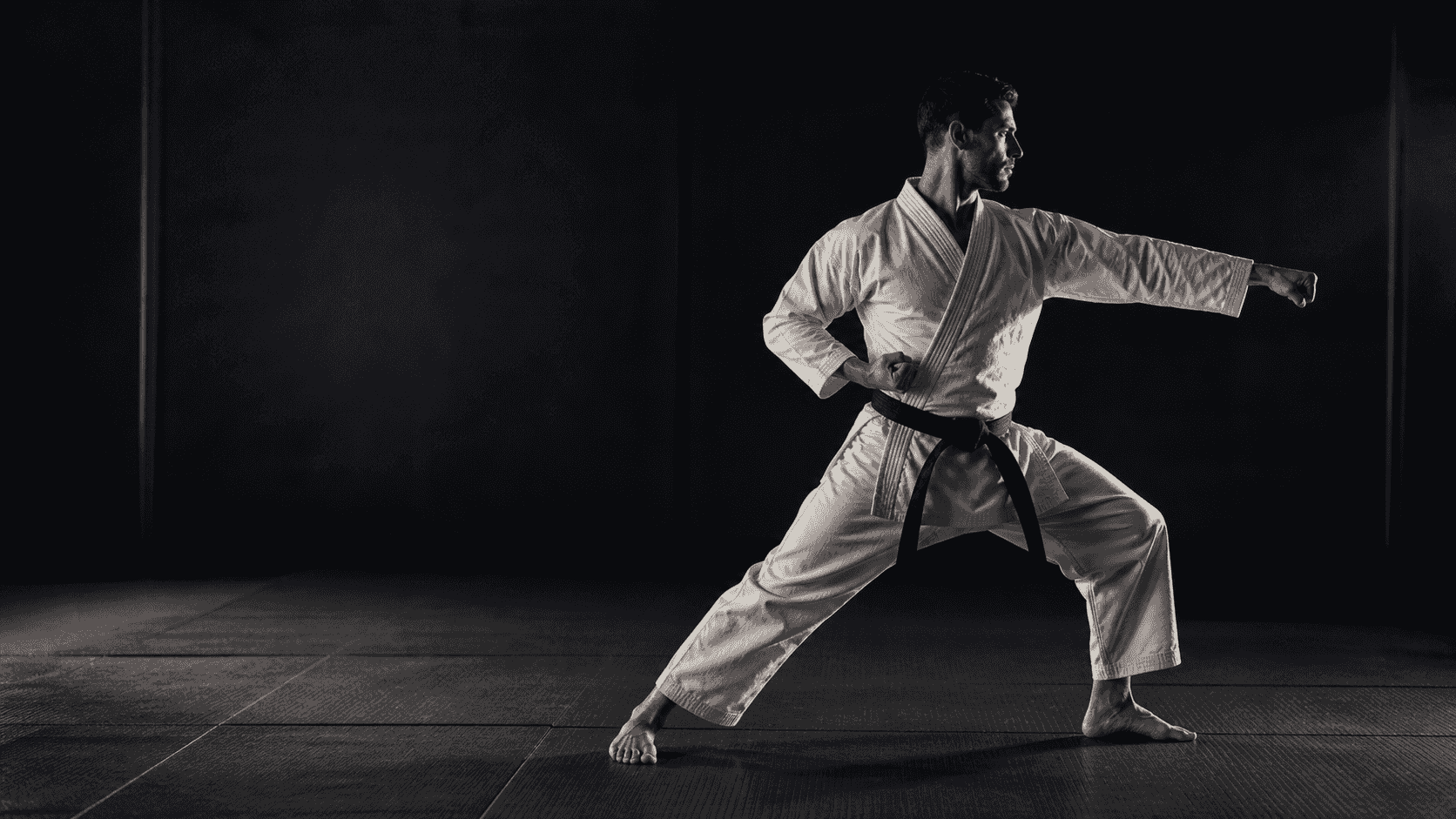
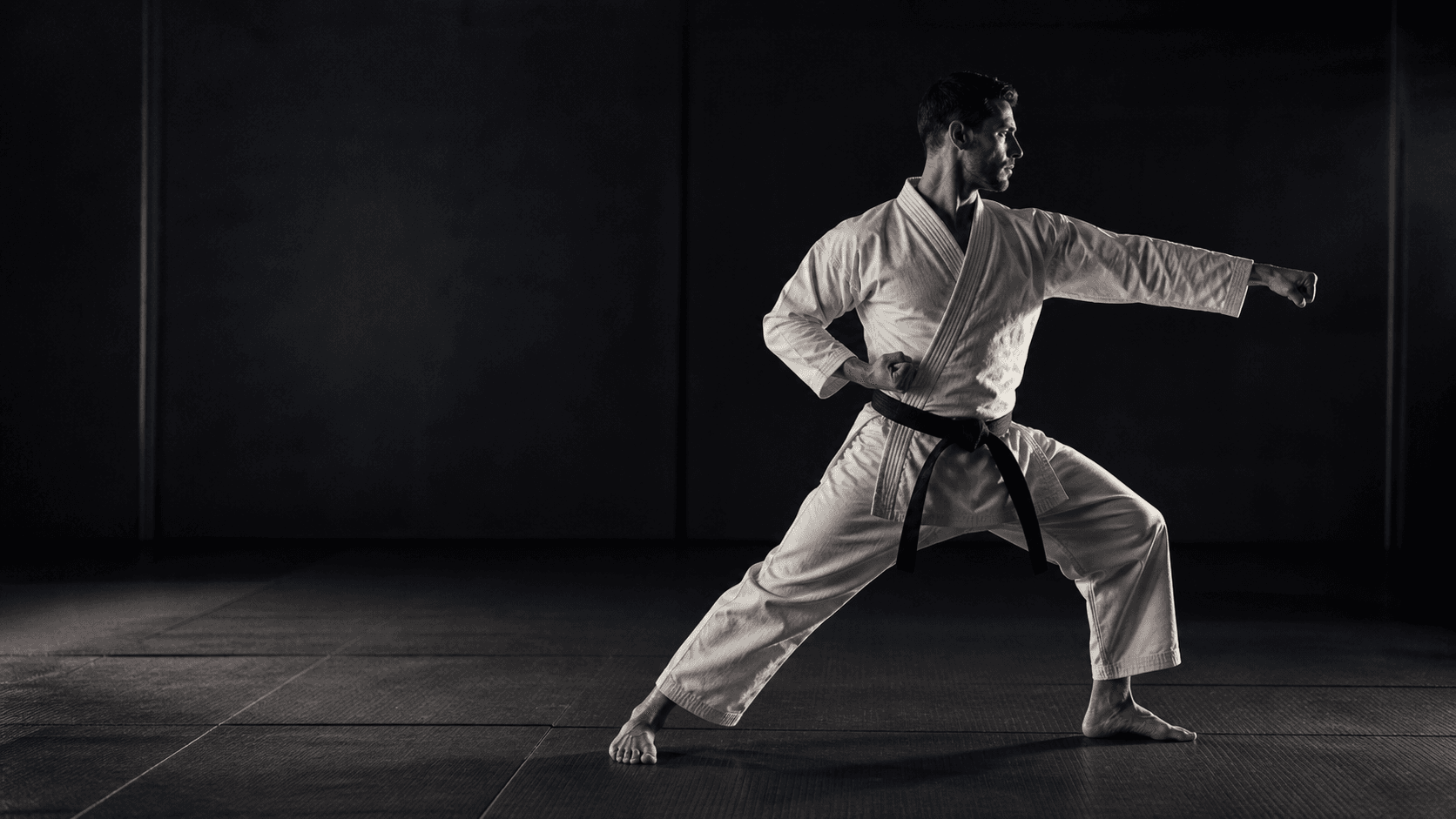
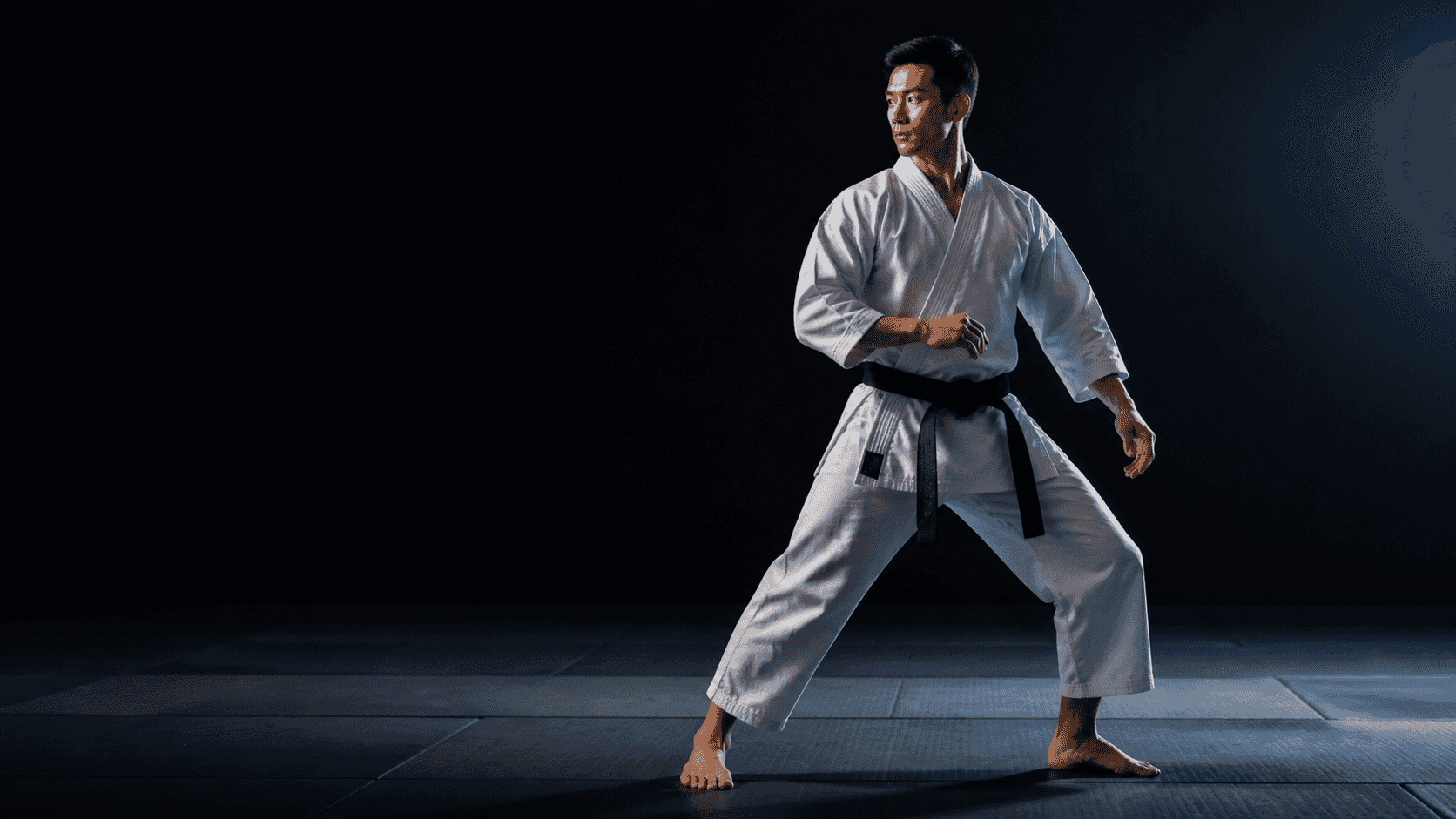
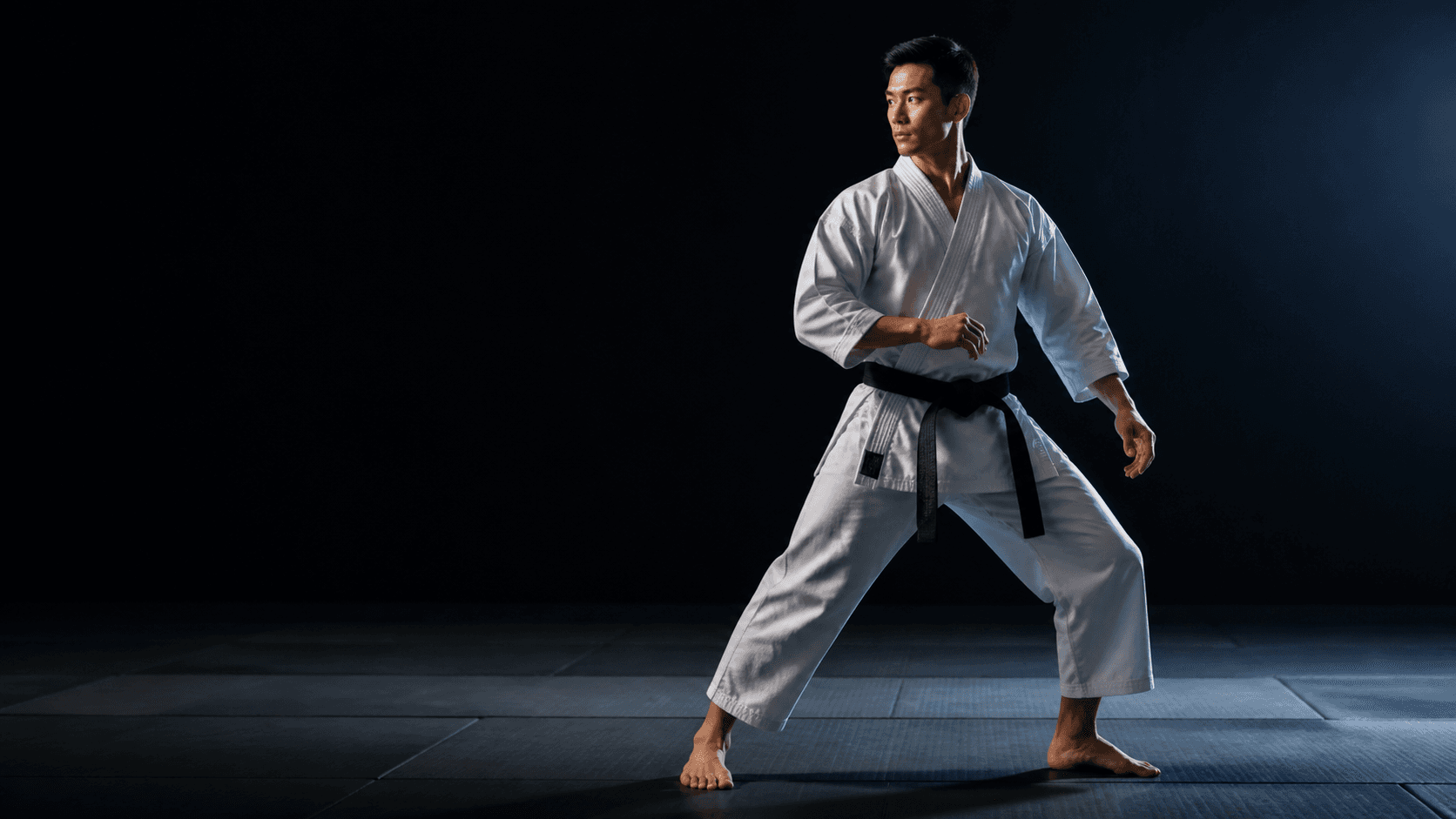
This is one reason kiai and breath-focused drills exist in karate class: not to make anyone fearless, but to build a physical habit of exhaling with intent under pressure, so it is available to you as more than an idea when you actually need it. Practising this in a calm dojo does not guarantee it will fire perfectly during a real, frightening moment. It only makes it more likely.
Breath Is a Support Skill, Not a Plan
Getting your breathing back under you does not replace the things that actually keep you safe. It supports them. Awareness of your surroundings, putting distance between yourself and a threat, and leaving a situation early are still the first and best responses, in that order, every time. A controlled breath is useful because it helps you notice an exit, use your voice to set a boundary, or simply walk away with a clear head, not because it is a technique in itself.
If a situation becomes physical, the goal is still to break away and escape, never to win, punish or subdue another person. A few karate classes, or even years of them, do not make anyone invincible in a real confrontation, and nobody should walk away from this article believing otherwise. Training can reduce risk and improve your odds of thinking clearly under pressure. It cannot remove risk, and it cannot promise your safety.
If Things Escalate
If you are ever in a situation that feels genuinely dangerous, get to a public place, reach a trusted person, or call for help. In Turkey, the emergency number is 112, and it is worth having it saved and easy to reach on your phone, not just known in the abstract. Calling for help early is not a failure of composure. It is often the most sensible move available.
Building the Habit, Not Just Knowing About It
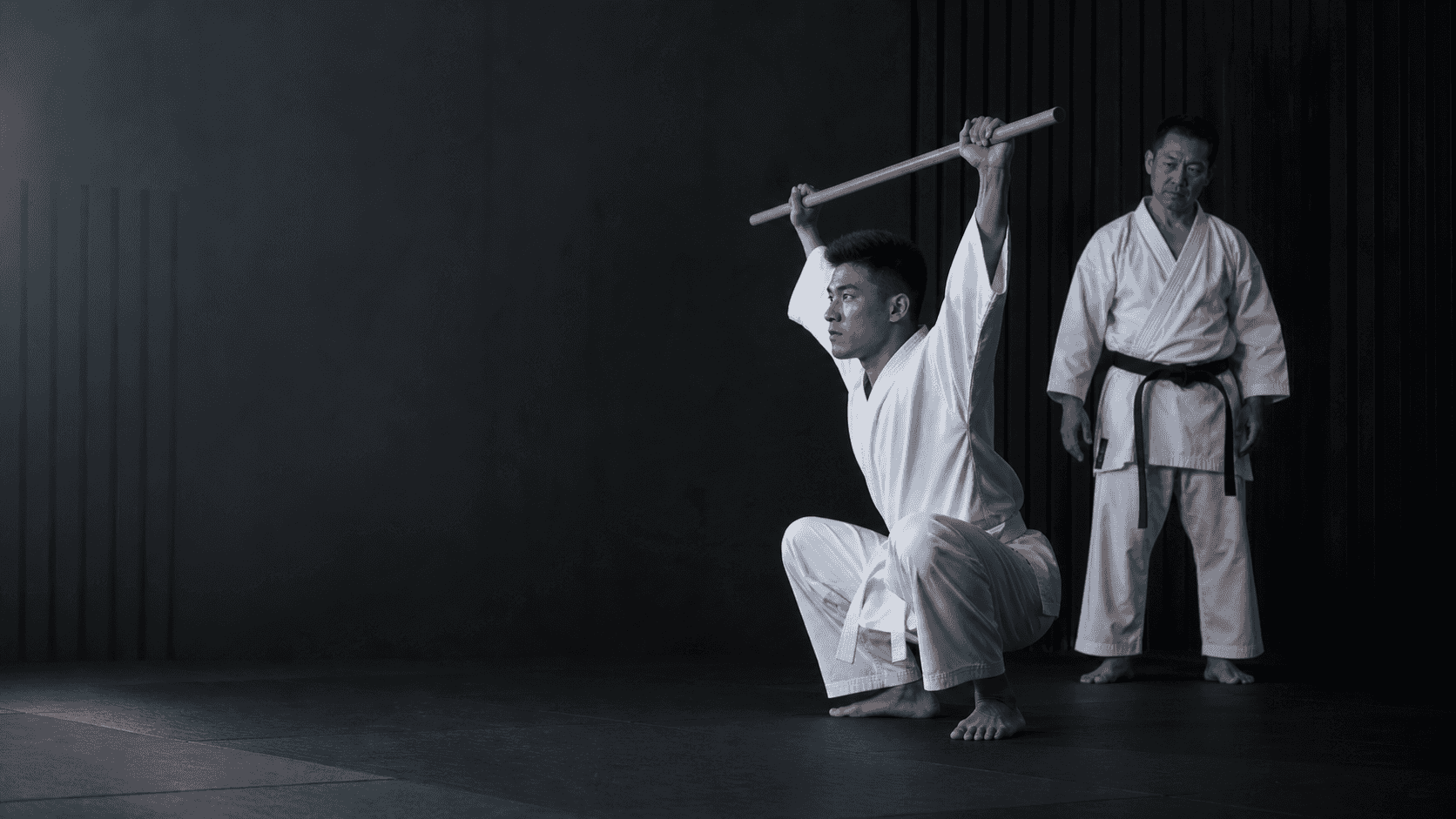
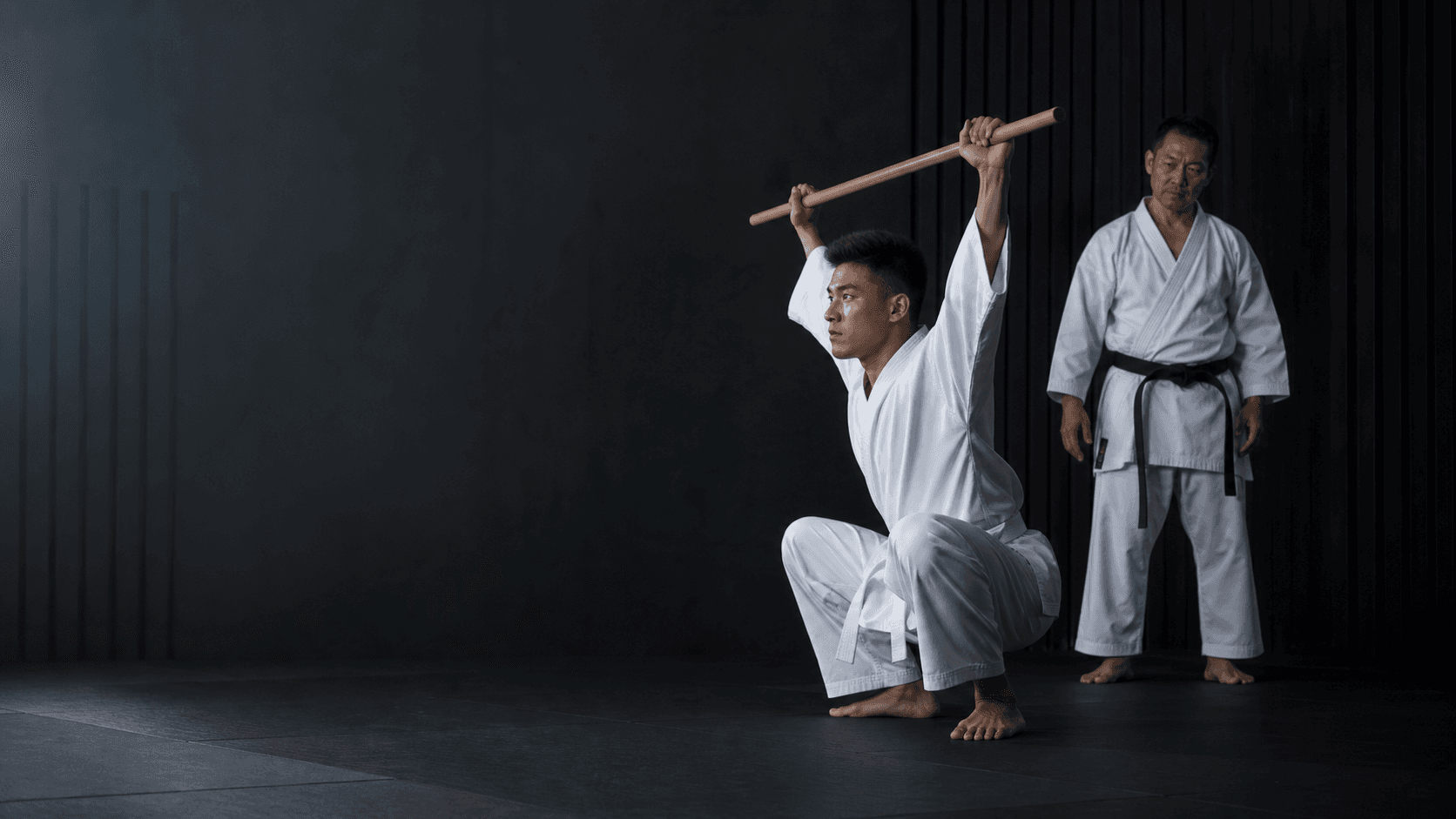
Reading about controlled breathing and actually having it available under pressure are two different things, and the gap between them only closes with repetition. That is part of what a self-defense and karate class gives you: a place to practice staying composed, breathing on purpose, and moving with intent, under realistic but safe conditions, again and again, until it is a habit rather than an idea.
Kartal Karate Academy offers a free trial class for anyone who wants to feel what this practice is actually like, with no pressure to continue afterward. You can register at karatekartal.fit/en/register.