Ankle Mobility and the Depth of Your Front Stance
The stance that looks fine until you check the ankle
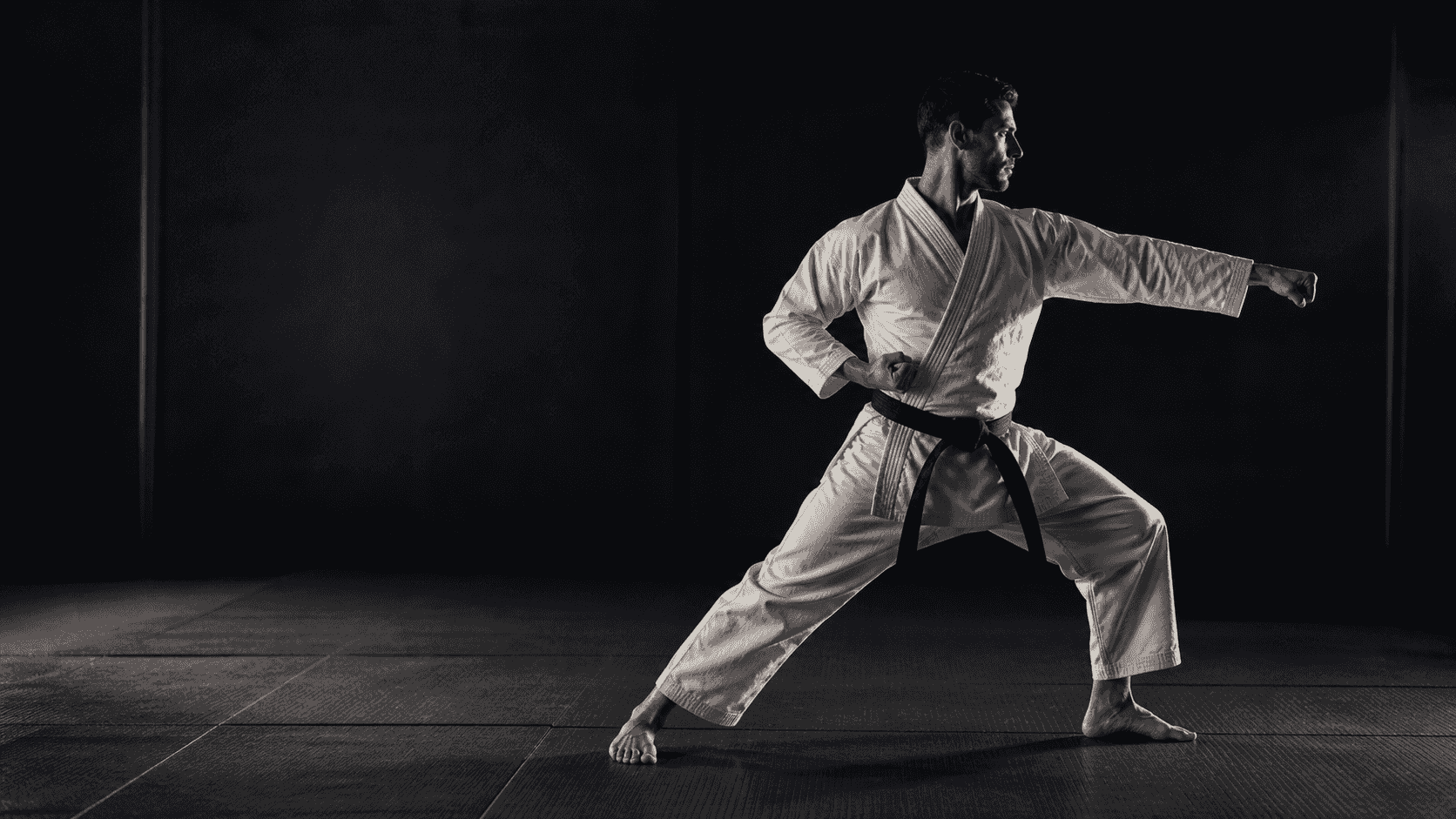
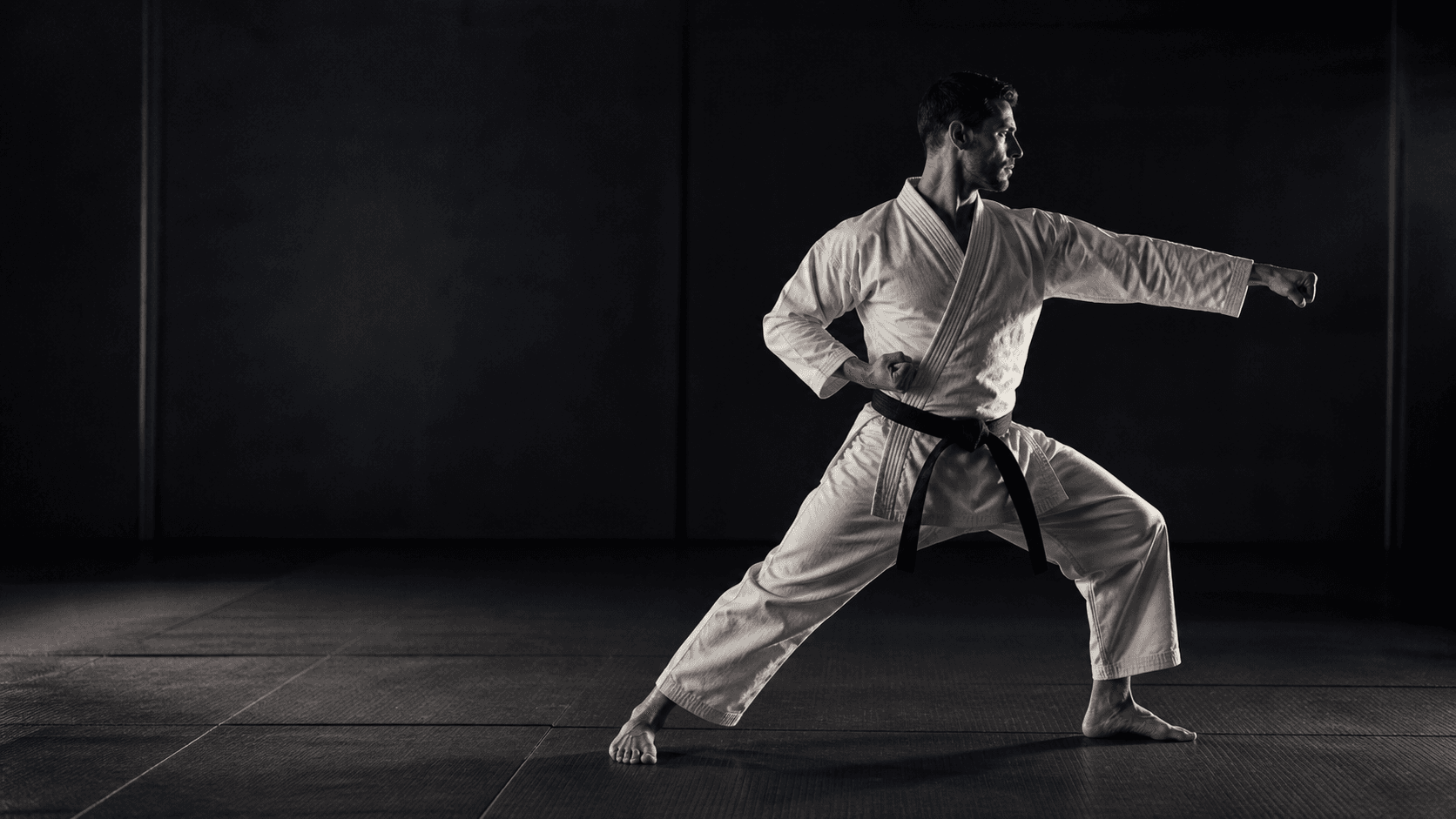
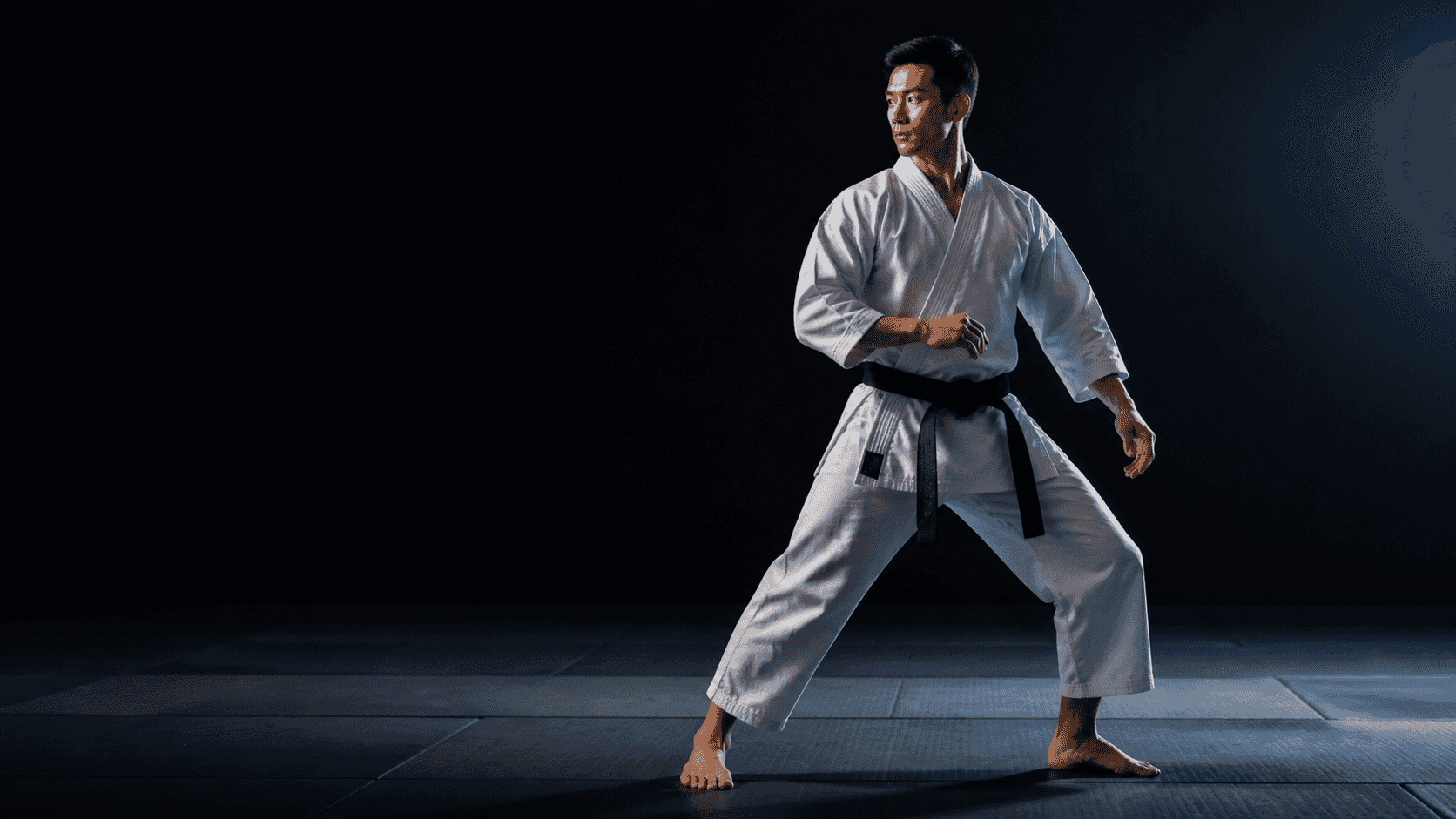
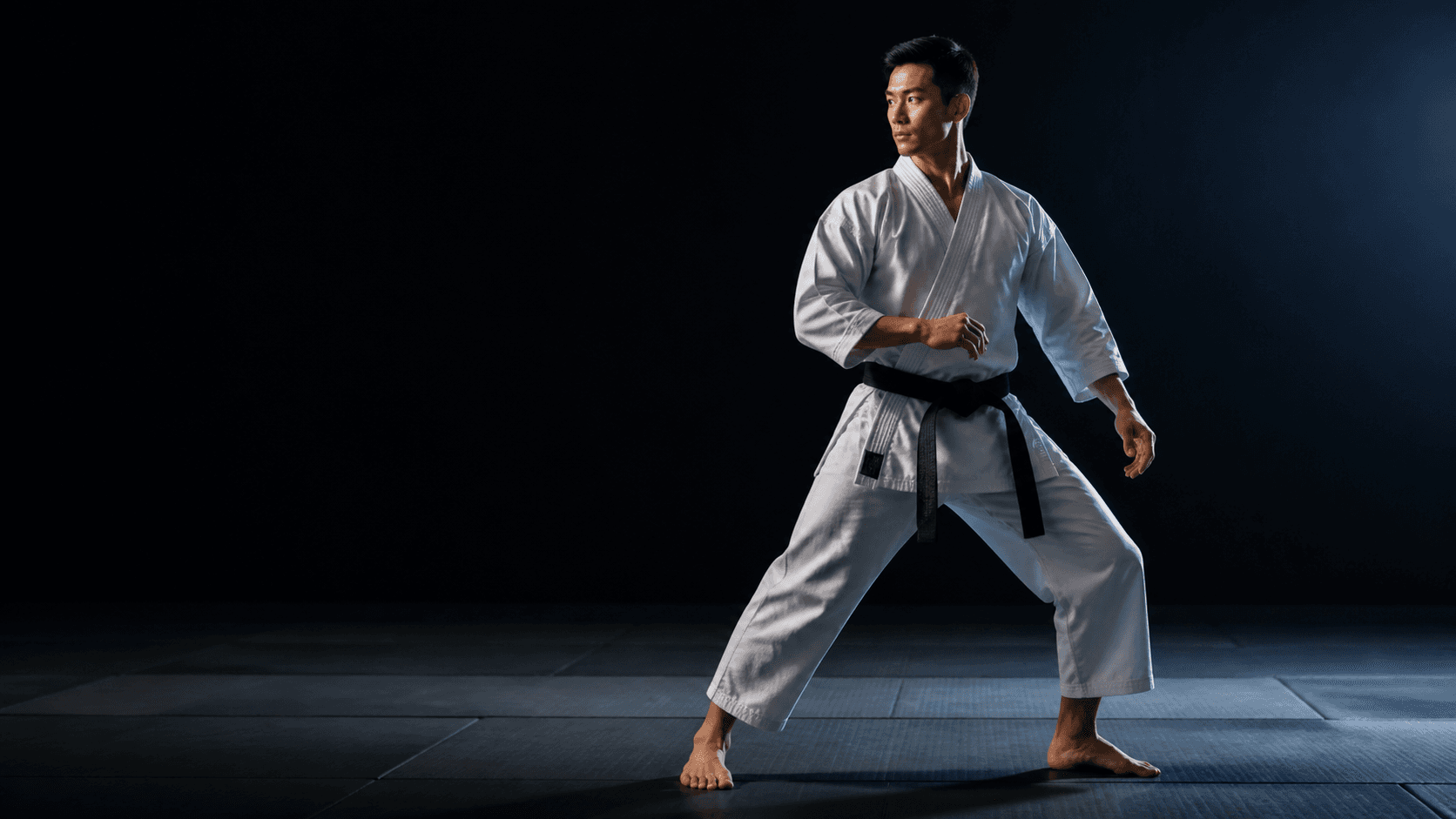
Zenkutsu-dachi, the long front stance, is one of the first things a new student is corrected on. Sensei pushes the back leg straighter, tells the front knee to track over the toes, and asks for more depth. Most students respond by leaning the torso forward or letting the front knee drift inward past the big toe. Both fixes create the appearance of a deeper stance without actually producing one, and both load the knee joint in a way it was not built to sustain for repeated kata practice.
The piece nobody checks is the front ankle. To sit into a proper front stance, the front shin has to travel forward over the foot while the heel stays flat on the floor. That motion is called ankle dorsiflexion, and how far a joint can move into it is largely fixed by bone shape, old sprains, and how much time the joint spends in that range under load. It is not something you can force with willpower in the middle of a kata.
Why the knee pays for what the ankle cannot do
When the shin cannot travel forward enough, the body finds depth somewhere else. The two common substitutions are collapsing the arch so the foot rolls inward, or twisting the knee inward to fake the same visual line. Both move the load off the ankle and onto the inside of the knee joint, which is a much less forgiving structure. A knee that tracks inward under repeated stance loading is one of the more common sources of nagging knee pain in karateka who train kata heavily, and it rarely shows up as an acute injury. It shows up as a knee that aches after long sessions and nobody can point to a single cause.
This is why coaching cues aimed only at the knee often fail. Telling a student to push the knee out over the toes without addressing ankle range gives them a correction they physically cannot execute and hold. They comply for one repetition and lose it by the third.
What actually limits ankle dorsiflexion
Three things commonly restrict how far the shin can travel over the foot:
- Stiffness in the calf muscles, particularly the deeper one that crosses the ankle and knee
- A bony block at the front of the ankle joint, sometimes left over from an old rolled ankle that was never rehabilitated
- Simply never asking the joint to work in that range outside of karate class, since most daily movement, including most gym training, keeps the shin close to vertical
None of these resolve by stretching harder in the seconds before a kata starts. Range built under load, over weeks, is what changes the joint's working range. Range chased through a single deep static stretch right before training mostly changes how the muscle feels that day, not how the joint behaves under stance load next week.
A test you can run this week
Kneel in front of a wall with one foot flat on the floor, toes a hand's width from the wall. Keeping the heel down, drive the knee forward to try to touch the wall with your knee. If you cannot get the knee to the wall with the heel flat, that ankle is short on the range a deep front stance actually needs. Test both sides. Karateka are almost never symmetrical here, and the tighter ankle usually belongs to the leg that ends up as the front leg less often in training, so the asymmetry compounds instead of correcting itself.
Building the range that lasts
- Repeat the wall test as a drill, three to four sets of eight to ten slow reaches per ankle, most days of the week. This is a loading drill, not a stretch, and it works because the joint is moving under a small amount of body weight each time.
- Add a heel-elevated version of the front stance for a few weeks: a thin wedge, a rolled towel, or a small plate under the back edge of the front foot reduces how much dorsiflexion the stance demands while the true range is still being built underneath it.
- Once the wall test improves, retest the stance itself without the wedge. Depth that shows up on the wall test but not yet in the stance usually means the new range needs a few weeks of kata repetition before it becomes automatic under the different demands of a real technique.
- If one ankle stays stubbornly tighter than the other after several weeks of consistent work, or if the limit came from a specific injury, that is a reasonable thing to raise with a physiotherapist rather than trying to stretch through it indefinitely.
What to watch for in the next few classes
Next time you drop into zenkutsu-dachi, look down at your front knee before anyone corrects you. Is it tracking straight over the second toe, or has it drifted inward? If it has drifted, that is very often the ankle asking for help rather than a strength problem in the leg. Fixing the ankle's range tends to fix the knee's line on its own, in a way that shouting "knee out" every class rarely manages.
Kartal Karate Academy holds classes on Tuesday, Thursday and Saturday evenings at Yakacık Spor Kulübü in Kartal, and stance mechanics like this are part of what gets corrected in ordinary class time, not treated as a separate specialty session. A free trial class is open to anyone curious how their own stance holds up under a closer look — register at karatekartal.fit/en/register.